Altman vs. Musk: A High-Stakes Legal Soap Opera Ends (For Now)
A federal jury has unanimously dismissed Elon Musk's $150 billion lawsuit against OpenAI, citing the statute of limitations. While the legal battle concludes for now, the trial has left deep scars on the industry and raised lasting questions about the ethics of the AI arms race.

Photo by Pavel Danilyuk on Pexels
Altman vs. Musk: A High-Stakes Legal Soap Opera Ends (For Now)
A federal jury has unanimously dismissed Elon Musk's $150 billion lawsuit against OpenAI, citing the statute of limitations. While the legal battle concludes for now, the trial has left deep scars on the industry and raised lasting questions about the ethics of the AI arms race.
The Final Verdict: A Technicality Ends the Trial
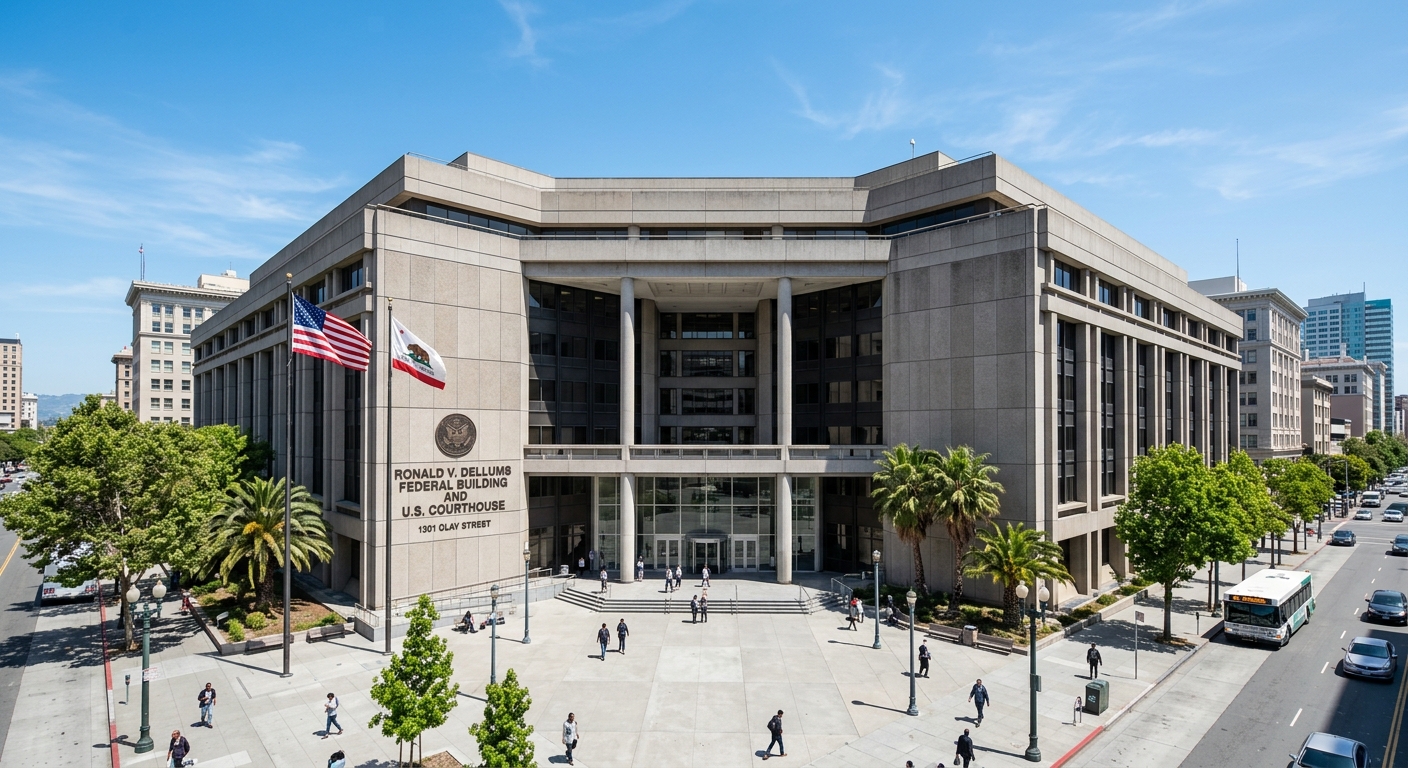
On May 18, 2026, the three-week saga between two of the most influential figures in artificial intelligence came to an abrupt, albeit procedural, end. A nine-person federal jury in Oakland, California, returned a unanimous verdict finding Sam Altman and OpenAI not liable on all claims brought by Elon Musk. The jury, which reached its decision in under two hours, determined that Musk’s claims were barred by the statute of limitations, effectively preventing a trial on the substantive merits of his allegations.
Judge Yvonne Gonzalez Rogers ratified the jury’s decision, ending the litigation in the district court. While the courtroom drama was intense, the victory for OpenAI was won on the calendar rather than the merit of their corporate restructuring.
""BREAKING: A Federal Jury Just Found Sam Altman and OpenAI Not Liable on All Claims After Three Weeks of Trial, Ending Elon Musk’s $150 Billion Lawsuit..."
— u/TechNewsBot, r/technology
The $150 Billion Question: Why Musk Sued
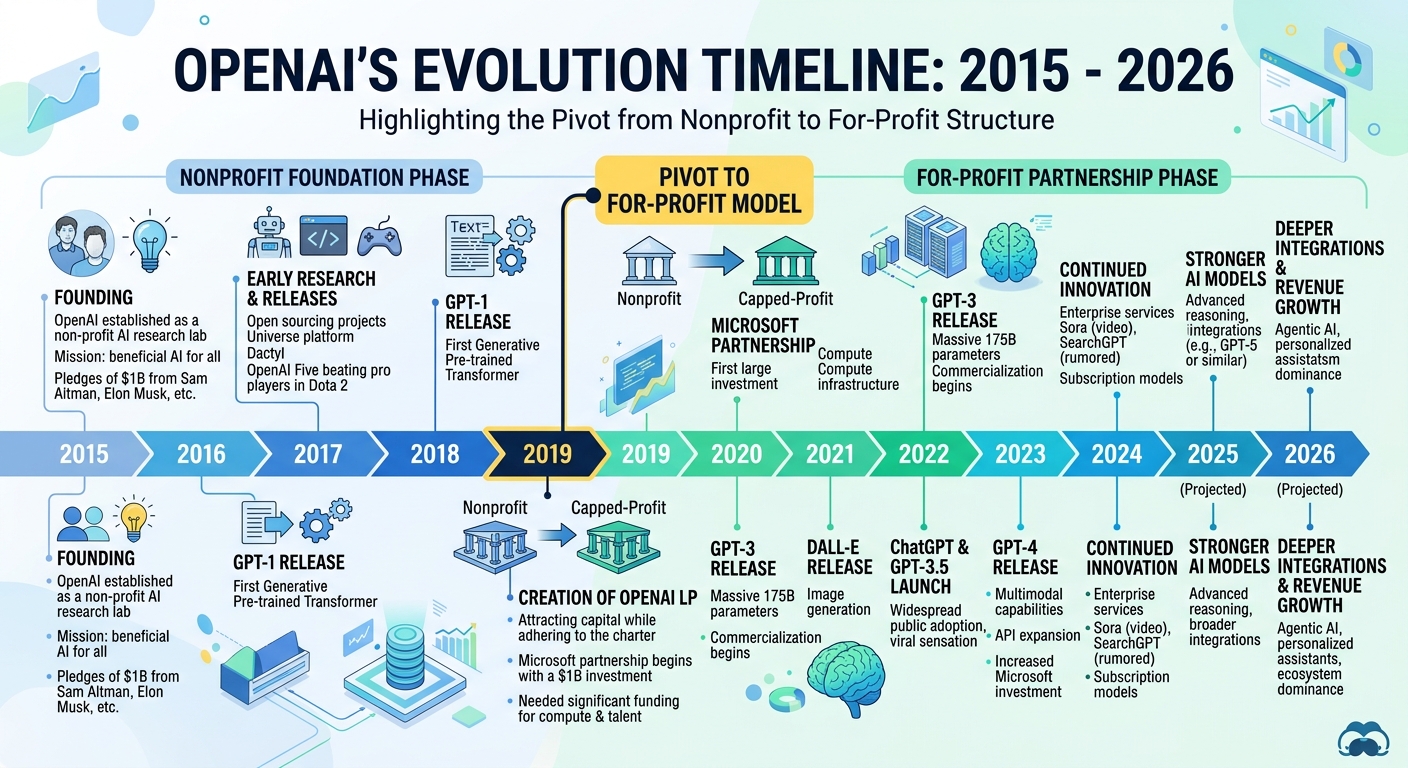
At the heart of the dispute was Musk’s assertion that OpenAI’s transition from a research nonprofit to a for-profit commercial entity was a “bait-and-switch.” Musk, an original co-founder, sought a staggering $150 billion in damages, alleging that the company betrayed its humanitarian mission to prioritize commercial gain and its partnership with Microsoft.
OpenAI’s defense team successfully pivoted the narrative, portraying the suit not as a noble pursuit of AI safety, but as a strategic offensive by a market competitor—specifically, Musk’s own xAI—intended to hobble a rival. They argued that the transformation was a necessity for the capital-intensive nature of modern AGI development.
"I'm not a fan of Musk at all but in this lawsuit he has a great point, honestly. What they did is just crazy. And to think that such a thing would be legal can only happen in a hyper-capitalist state."
— u/EthicalAI_Watcher, r/OpenAI
Corporate Governance and the Nonprofit Dilemma
The trial served as a window into the chaotic power dynamics that nearly brought OpenAI to its knees during the 2023 ouster of Sam Altman. Testimony revealed deep-seated distrust within the company's ranks, forcing the industry to reckon with a broader existential question: Can a nonprofit mission truly survive in the high-stakes, hyper-capitalist race for AGI?
For observers in India’s burgeoning AI startup ecosystem, the case serves as a cautionary tale regarding transparency. As Indian labs seek global venture funding, the tension between mission-driven research and investor demands for rapid commercialization is becoming a central point of boardroom debates.
The Road Ahead: Appeals and IPOs
Musk has already confirmed he intends to appeal the decision to the U.S. Ninth Circuit Court of Appeals, signaling that this legal soap opera is far from over. However, the immediate impact on OpenAI is transformative. With the lawsuit cleared, market analysts now project the company is on a glide path toward a potential $1 trillion valuation ahead of a heavily anticipated IPO.
Whether this verdict emboldens other tech firms to treat legacy nonprofit mandates as flexible suggestions remains to be seen. For now, the precedent is set: in the court of law, time is often the most formidable defense.
Engagement Snapshot
Community sentiment remains deeply polarized. While tech enthusiasts cheer for the continuity of AI progress, the broader public discourse is increasingly cynical.
- Trial Duration: 3 Weeks
- Jury Deliberation: Less than 2 Hours
- Total Damages Sought: $150 Billion
- Sentiment: Highly polarized with significant skepticism regarding corporate transparency.
The Bottom Line
OpenAI has won the battle of the bench, but the war for public trust continues. By winning on a technicality, OpenAI has secured its financial future but has yet to fully answer the ethical questions that ignited this firestorm in the first place.