Android Show 2026: Google Unveils an AI-First Future for Android
Google's I/O 2026 showcase unveiled Android 17, marking a pivotal shift toward 'agentic' AI. With Gemini Intelligence integrated at the system level and the debut of the Googlebook, the future of computing is becoming proactive, automated, and deeply contextual.
Photo by Kelvin Valerio on Pexels
Android Show 2026: Google Unveils an AI-First Future for Android
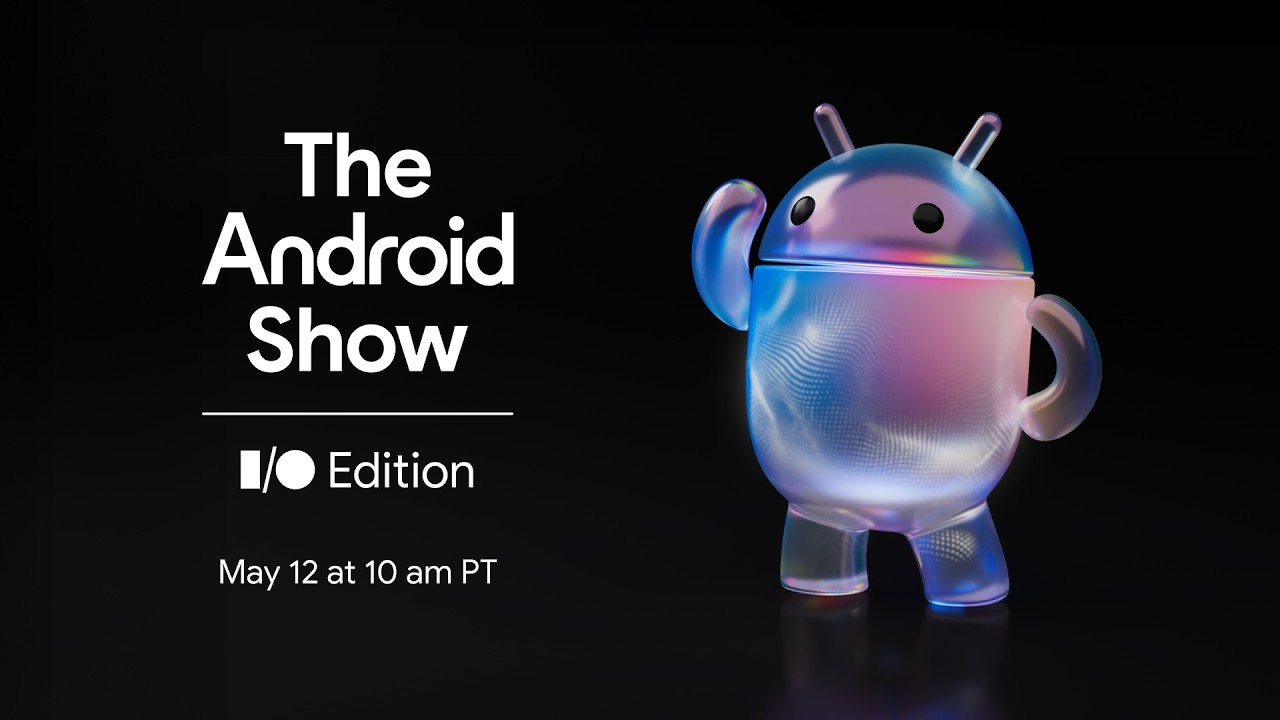
At the Android Show 2026 | I/O Edition, Google introduced one of the platform’s biggest strategic shifts in years, positioning Android as more than just a smartphone operating system. The company’s showcase focused heavily on integrating Gemini-powered AI directly into the Android experience, with the goal of transforming phones, laptops, cars, and connected devices into a unified intelligent ecosystem.
From autonomous task execution to AI-generated widgets and a new category of “Googlebook” laptops, the event highlighted Google’s broader vision for the future of personal computing.
Gemini Becomes Android’s Intelligence Layer
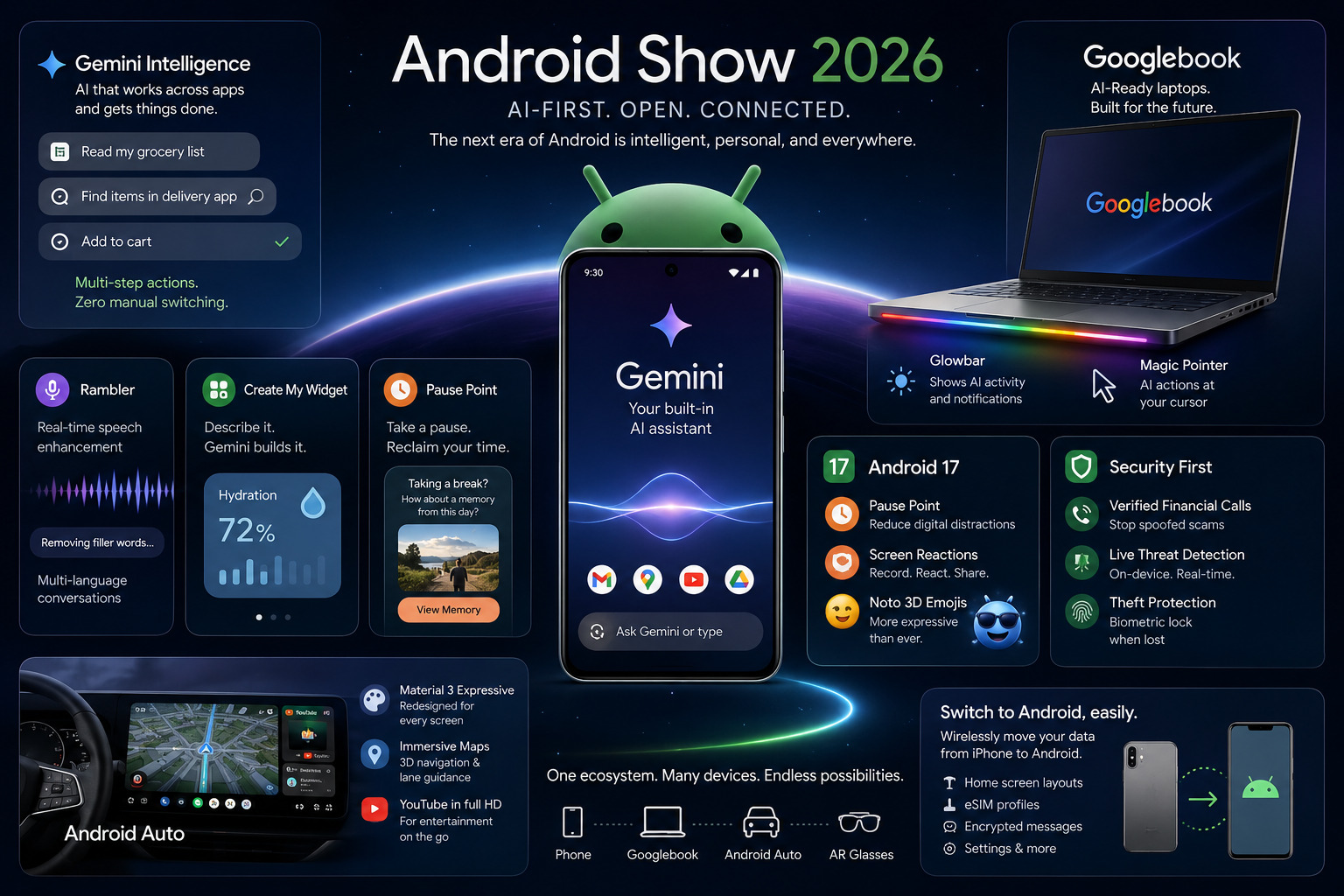
The centerpiece of the showcase was Gemini Intelligence, which Google described as a system-level intelligence layer rather than a standalone assistant app.
Instead of relying on users to manually switch between applications, Gemini can now perform multi-step workflows across apps automatically. During the keynote demonstration, the AI pulled items from a grocery list stored in notes, searched for products inside a delivery app, and added them to a shopping cart without requiring manual interaction.
Google says the system is designed to reduce friction between tasks and actions, allowing Android to proactively assist users based on context.
The company also showcased improved contextual awareness capabilities. Gemini can now analyze on-screen content in real time, enabling actions such as identifying products inside images or social media posts and instantly finding purchase links or related information.
Rambler and AI-Powered Communication Tools
Among the newly announced AI features was Rambler, a speech-to-text enhancement tool focused on improving spoken communication.
Rambler removes filler words such as “um” and “uh” in real time while preserving the natural flow of speech. Google also confirmed support for multilingual conversations, allowing users to switch languages mid-sentence without disrupting transcription accuracy.
The feature appears aimed at creators, professionals, and users who frequently rely on voice input for meetings, recordings, or content creation.
Another addition, called Create My Widget, brings AI-generated customization to Android’s home screen. Users can describe a widget using natural language, and Gemini automatically builds it.
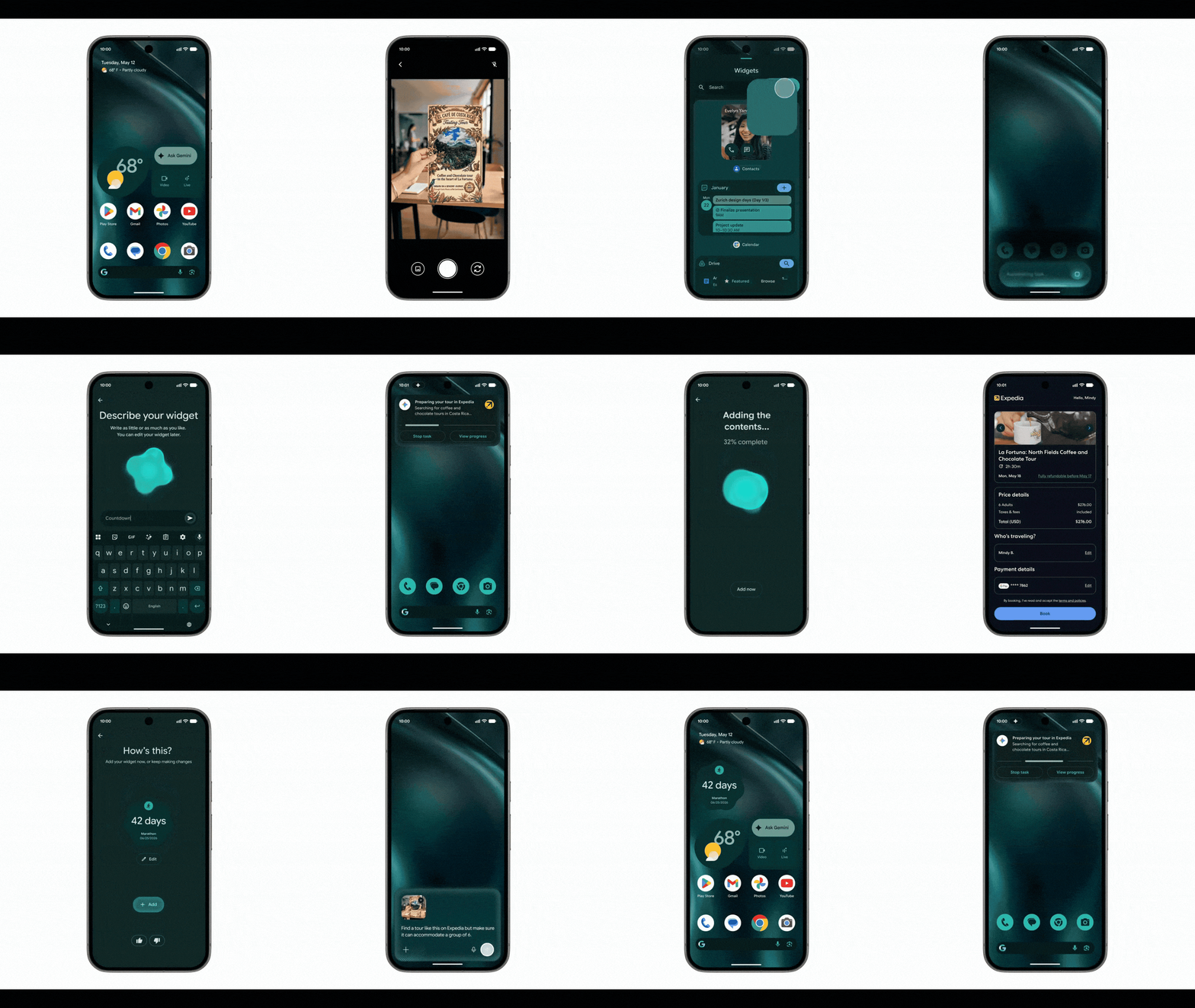
For example, users can request a widget showing hydration levels, weather updates, fitness metrics, or calendar summaries without manually configuring layouts or settings.
Google Introduces the “Googlebook” Category
One of the more unexpected announcements during the event was the introduction of Googlebook, a new category of premium AI-focused laptops designed around Gemini integration.
Unlike traditional Chromebooks, Googlebooks are positioned as productivity devices that work closely with Android phones and Google services.
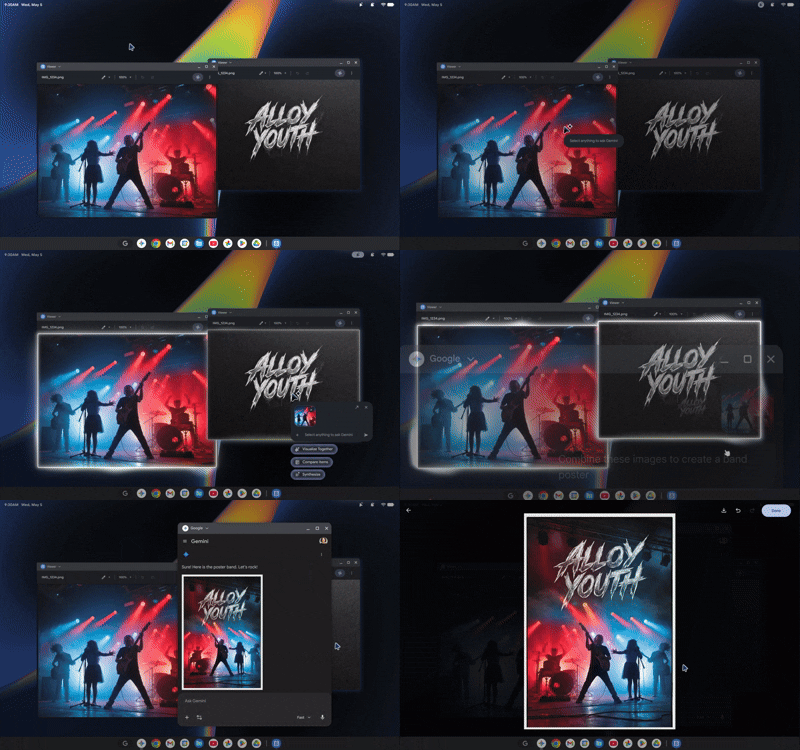
Google highlighted two signature features during the presentation:
- Glowbar: An LED strip designed to display AI activity and notifications
- Magic Pointer: A contextual AI shortcut tool capable of summarizing text, editing images, and triggering Gemini actions directly from the cursor
The company also emphasized deep interoperability between Android phones and Googlebooks, including shared file management, app syncing, and seamless workflow continuation across devices.
Android 17 Features Focus on Productivity and Well-Being
Google previewed several upcoming Android 17 features during the showcase.
One of the most discussed additions was Pause Point, a digital well-being feature designed to discourage compulsive app usage. When users attempt to open distracting applications repeatedly, Android introduces a short delay and may suggest alternative activities or display personal memories before allowing access.
The company also introduced Screen Reactions, a built-in creator feature that records both the user’s screen and facial reactions simultaneously. The tool automatically generates reaction-style videos without requiring external editing software or green-screen setups.
Android’s visual experience is also being refreshed with Noto 3D Emojis, a new library of animated high-fidelity emojis intended for messaging and system-wide interactions.
Security and Privacy Receive Major Updates
Security remained a major focus throughout the event, particularly around fraud prevention and on-device AI processing.
Google announced Verified Financial Calls, a feature designed to combat spoofed banking calls and financial scams. Android 17 will be able to identify suspicious incoming calls claiming to be from financial institutions and warn users before interaction.
The platform is also gaining Live Threat Detection, which uses on-device AI to monitor apps for suspicious behaviors such as unauthorized SMS forwarding or misuse of accessibility permissions.
Google emphasized that much of this analysis occurs locally on the device rather than in the cloud, reinforcing its privacy-focused messaging around AI integration.
Additionally, Android’s theft protection system is being expanded. Devices marked as lost will require biometric authentication before they can be fully accessed again.
Android Auto and Ecosystem Expansion
Google also announced updates for Android Auto, including a redesigned interface built on Material 3 Expressive. The new design adapts dynamically to different display formats, including curved and circular automotive screens.
Google Maps is receiving more immersive navigation tools with 3D building visualization and enhanced lane guidance for complex urban driving environments.
For entertainment, the company confirmed support for full HD YouTube playback in parked vehicles.
Beyond Android itself, Google revealed improvements to cross-platform migration tools in partnership with Apple. Upcoming transfer systems will support wireless migration of home screen layouts, eSIM profiles, encrypted messages, and settings from iPhones to Android devices.
Google also teased future Gemini-powered augmented reality glasses, signaling a broader expansion into wearable AI hardware.
A Shift Beyond Traditional Smartphones
The Android Show 2026 showcase made it clear that Google sees the future of Android as increasingly AI-driven and ecosystem-focused.
Rather than emphasizing standalone apps or hardware specifications, the company’s announcements centered on reducing friction between devices, services, and user intent. Gemini’s deeper integration across Android, Chrome, automotive systems, and upcoming hardware reflects Google’s larger ambition to turn Android into an adaptive, context-aware computing platform.
While many of these features are still in development, Android Show 2026 signaled a major transition for the platform — one where AI becomes a foundational part of how users interact with technology every day.