Beyond the Thermometer: The Political Economy of Air Conditioning in Europe
As record heatwaves become the new summer standard, Europe faces an escalating clash between aggressive net-zero energy targets and the urgent, market-driven demand for climate adaptation. The struggle to reconcile historical infrastructure with modern cooling needs has turned air conditioning into a volatile intersection of class politics, economic productivity, and the future of tourism.
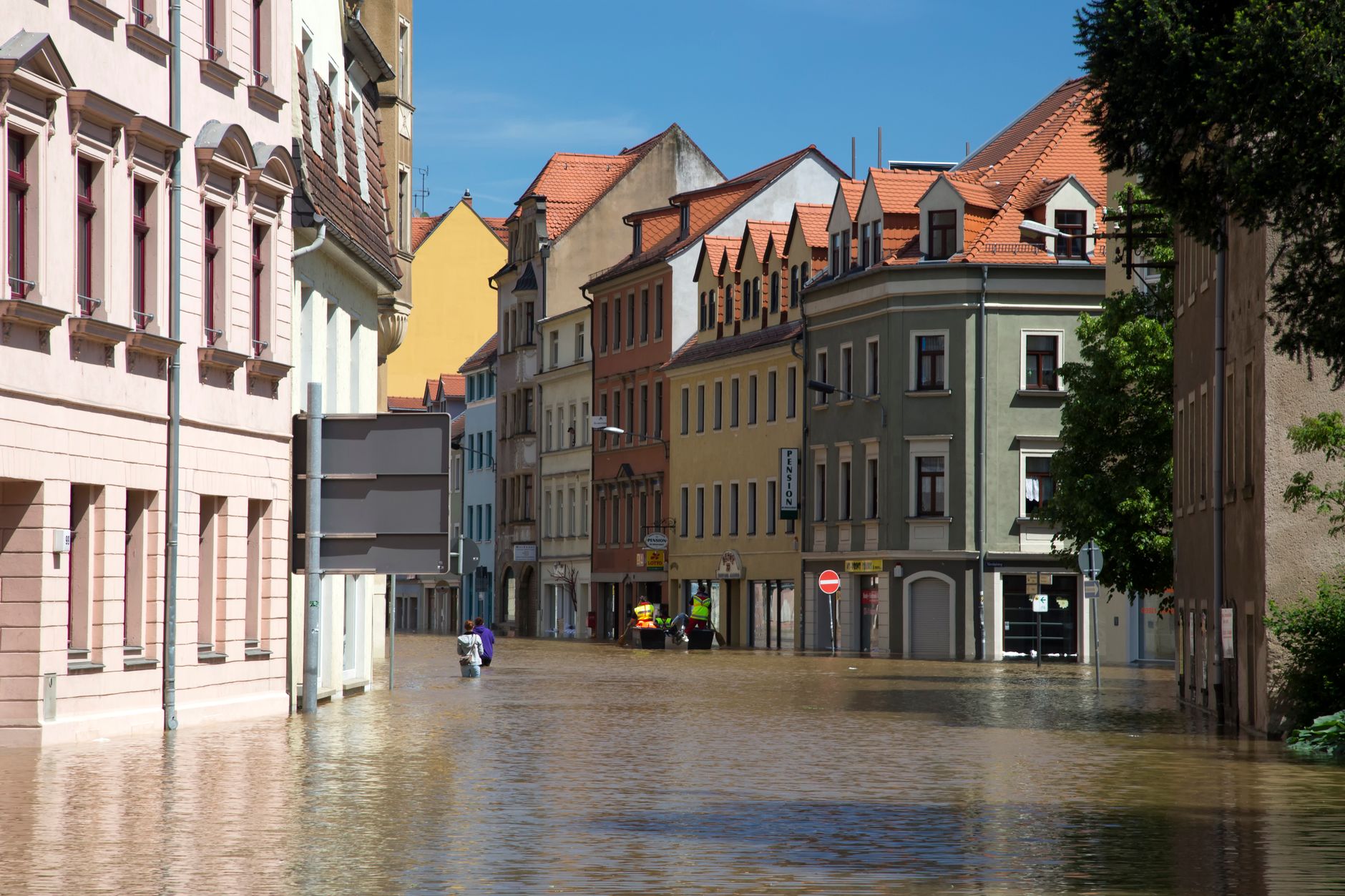
Photo by Valentin Ivantsov on Pexels
Beyond the Thermometer: The Political Economy of Air Conditioning in Europe
As record-breaking heatwaves transform from seasonal anomalies into the new European summer standard, the continent finds itself trapped in a volatile intersection of class politics, economic productivity, and infrastructure crisis. The struggle to reconcile aggressive net-zero energy targets with the urgent, market-driven demand for climate adaptation has ignited a fierce debate: is air conditioning a luxury to be phased out, or a vital public utility for a warming world?
The New Reality: Productivity and the Economic Cost of Heat
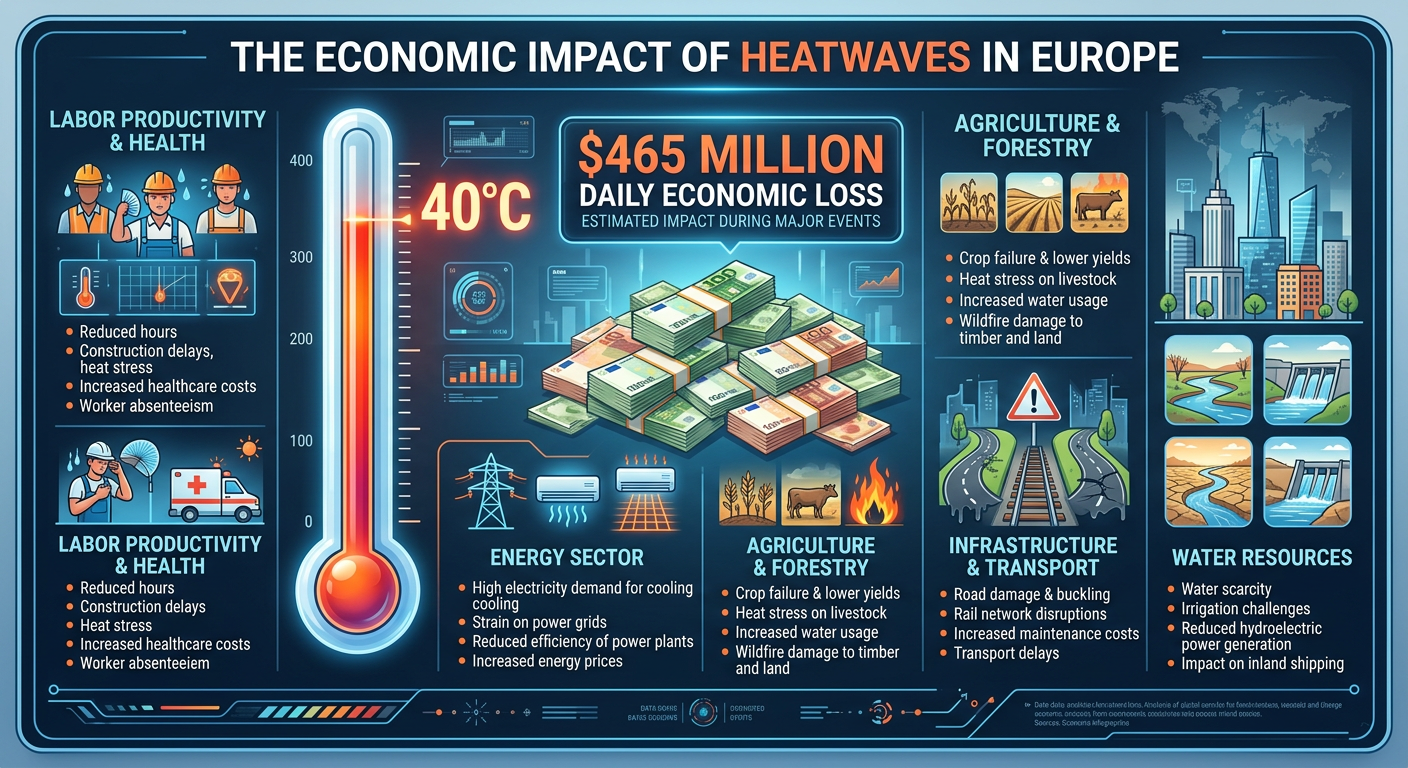
The economic fallout of Europe’s shifting climate is no longer theoretical. In Germany, research indicates that a single day where temperatures exceed 30°C results in a staggering $465M loss in productivity. Despite this, the disparity in adaptation remains stark; while 90% of offices in the Mediterranean are equipped with climate control, that figure drops to roughly 50% in Germany, creating a massive competitive imbalance across the EU.
"⚡🇪🇺 Europe chased net-zero targets but forgot to adapt to the heat it's now facing. June's brutal #Heatwave delivered a wake-up call: in Germany, one day above 30°C costs the economy‼️$465M in lost productivity. Yet only half of 🇩🇪 offices are air-conditioned, compared to 90% in southern Europe. Spa"
This lack of cooling is fundamentally altering tourism. We are seeing the rise of the 'coolcation'—a shift in consumer travel behavior where tourists bypass the sizzling Mediterranean in favor of Northern European destinations, fundamentally threatening the tourism-reliant economies of the south.
The Infrastructure Bottleneck: Preservation vs. Habitability
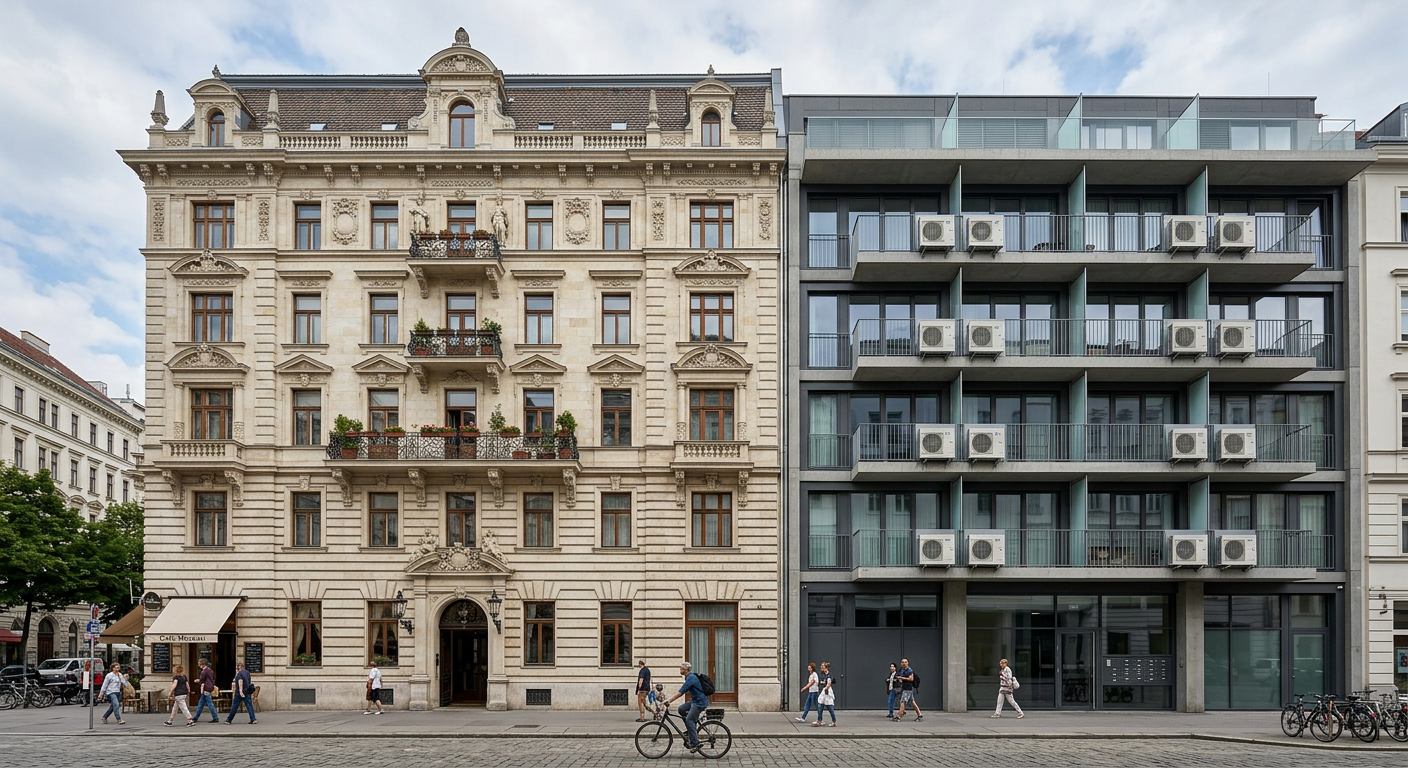
European cities are facing a 'regulatory chilling effect.' Strict building codes, designed to meet decarbonization targets, often prohibit the installation of external cooling units to preserve historic facades and maintain strict energy efficiency ratings. The result is a paradox: buildings are being retrofitted to be airtight and thermally efficient, which—without active cooling—often turns them into unlivable heat traps during record heatwaves.
Can historic districts be retrofitted without compromising their architectural soul? For now, the answer remains elusive, leading to growing frustration among residents who view EU mandates as elite-driven policies disconnected from the reality of rising temperatures.
AC as a Class Divider: Utility or Luxury?
The debate over air conditioning has devolved into a 'class war' narrative. In many European firms, access to climate control is often a perk of seniority or a byproduct of modern office infrastructure, leaving younger workers and those in older, smaller apartments to bear the brunt of the heat. This creates a clear divide in energy poverty, where the ability to stay cool is increasingly becoming a marker of socioeconomic status.
""Power is out in the middle of a heatwave, so this is how Europeans live? I legit am sweating to death hanging out my window try to catch a slight breeze"
If the EU continues to frame AC strictly as an energy-guzzler, it risks ignoring the public health necessity of cooling. Governments may soon face pressure to implement cooling subsidies as essential infrastructure, similar to how India has incentivized the domestic manufacturing of energy-efficient ACs to cope with its own severe heat challenges.
The Future of Tourism: Economic Shifts and Resilience
The tourism industry is in the midst of a pivot. Northern European hospitality sectors are aggressively marketing their regions as 'climate havens,' moving away from winter-centric models toward year-round operations. Meanwhile, Southern European economies face a precarious future where the peak summer months—traditionally the bread and butter of their fiscal year—are becoming periods of stagnation rather than growth.
The Bottom Line
Europe is at a breaking point. The continent must resolve the tension between its net-zero ambitions and the immediate public health crisis caused by heat. If policymakers continue to ignore the practical, widespread demand for cooling, they risk not only a decline in economic productivity but also a massive social backlash against the very climate policies meant to secure Europe’s future.