Indian worker killed and 3 injured in Moscow massive drop strike
A massive, coordinated Ukrainian drone strike on the Moscow region has claimed the life of one Indian national, marking a somber escalation in the Russia-Ukraine conflict. As the Indian Embassy coordinates repatriation efforts, questions arise regarding the safety of Indian expatriates in intensifying war zones.
Photo by Яна Леоненко on Pexels
Escalation in Moscow: Understanding the Scale of the May 17 Drone Offensive
A massive, coordinated Ukrainian drone strike on the Moscow region has claimed the life of one Indian national, marking a somber escalation in the Russia-Ukraine conflict. As the Indian Embassy coordinates repatriation efforts, questions arise regarding the safety of Indian expatriates in intensifying war zones.
The Incident: A Casualty of Escalating Aerial Warfare
The tragedy, which occurred on May 17, has left the Indian diaspora in Russia in a state of shock. Official reports confirm that one Indian citizen was killed and three others sustained injuries following a high-intensity drone bombardment that struck both residential and critical infrastructure sectors in the Moscow and Belgorod regions.
The Indian Embassy in Moscow has mobilized its consular team to provide emergency assistance, though the identities and professional backgrounds of those affected remain protected by privacy protocols as the situation develops. The lack of clarity regarding how these individuals came to be in the proximity of such high-risk targets has sparked a broader debate about the nature of Indian employment in conflict-adjacent territories.
"The vulnerability of Indian nationals working in these regions is becoming a critical talking point. We need better clarity on why civilians are in harm's way, regardless of the employment sector." — u/GeopoliticsWatcher, r/IndiaNews
Anatomy of the May 17 Offensive
The May 17 operation is being described by defense analysts as one of the most synchronized and expansive drone strikes observed in over a year. With estimates indicating that 500 to 600 drones were deployed in the offensive, the scale of the attack marks a clear departure from previous tactical strikes.
While Kyiv maintains that these operations are a "justified defense" aimed at degrading Russian logistics and command structures, the toll on civilian life in the Moscow region tells a different story. Russian authorities report that while many of these drones were intercepted, the sheer volume of the swarm overwhelmed local defensive batteries, leading to the catastrophic collateral damage reported this weekend.
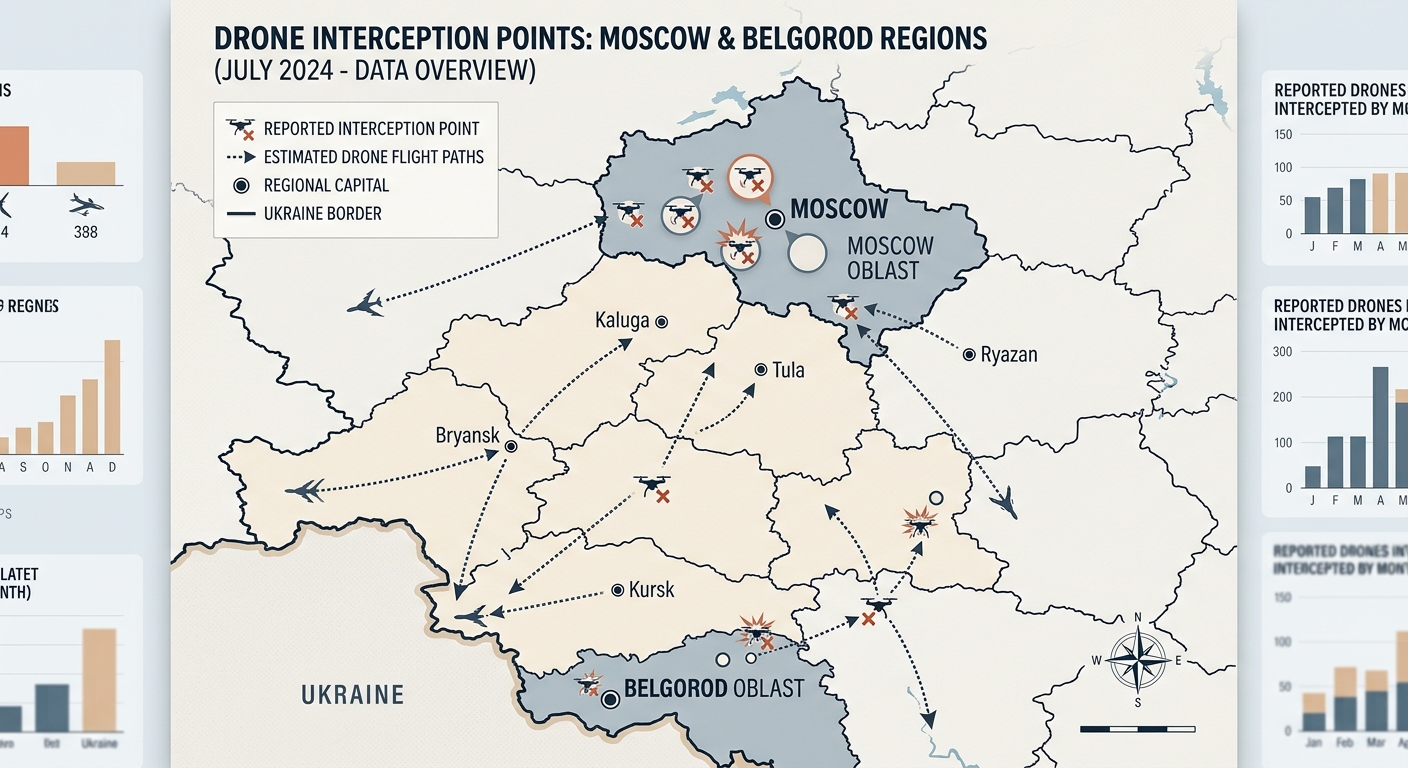
This marks a potentially permanent shift in the conflict. Moscow, once considered a distant center of power, is increasingly becoming a theater for long-range, asymmetric drone warfare, forcing a re-evaluation of safety protocols for all foreign nationals currently residing within the capital’s perimeter.
Safety and Geopolitical Implications for Indian Expats
The presence of Indian nationals in high-risk zones of Russia has become a point of contention for foreign policy observers. As the conflict evolves, there is mounting pressure on the Ministry of External Affairs (MEA) to issue more stringent travel and work advisories for Indian citizens in Russia.
""It is tragic that we have to wait for casualties to realize the risks involved. The government needs a formal advisory, not just a reactive consular response." — u/ObserverIndia, r/IndianDefense
Currently, there is a significant gap in support frameworks. Unlike personnel attached to formal diplomatic missions or specific bilateral projects, private-sector employees often lack the robust insurance or evacuation guarantees that define safer expatriate roles. The question of whether the Indian government will now spearhead a repatriation drive or initiate a formal compensation mechanism for these civilian casualties remains unanswered.
The death of an Indian national in Moscow is more than just a tragic data point; it is a signal of a shifting war that no longer recognizes safe zones. As the conflict intensifies, the Indian government must move beyond reactive consular support and provide a clear, long-term safety strategy for its citizens working in the shadow of this escalating struggle. The need for proactive disclosure regarding where and why Indian citizens are working in these high-risk areas has never been more urgent.