Inside the AI Infrastructure of World Cup 2026: More Than Just Predictions
While hobbyist models race to predict tournament outcomes, the real revolution in the 2026 FIFA World Cup lies in its physical infrastructure. We analyze why the shift to 500Hz sensor data and real-time officiating is changing the game far more than any speculative match-winner algorithm.

Photo by Caio on Pexels
Inside the AI Infrastructure of World Cup 2026: More Than Just Predictions
As the 2026 FIFA World Cup approaches, the digital landscape is flooded with amateur developers, data scientists, and casual enthusiasts claiming to have "solved" the tournament. From Monte Carlo simulations to LLM-driven match previews, the hype cycle is in full swing. Yet, while hobbyist models race to predict tournament outcomes, the real revolution in the 2026 FIFA World Cup lies in its physical infrastructure. The shift to 500Hz sensor data and real-time officiating is fundamentally changing the sport, far more than any speculative match-winner algorithm ever could.
The Illusion of Predictive Dominance
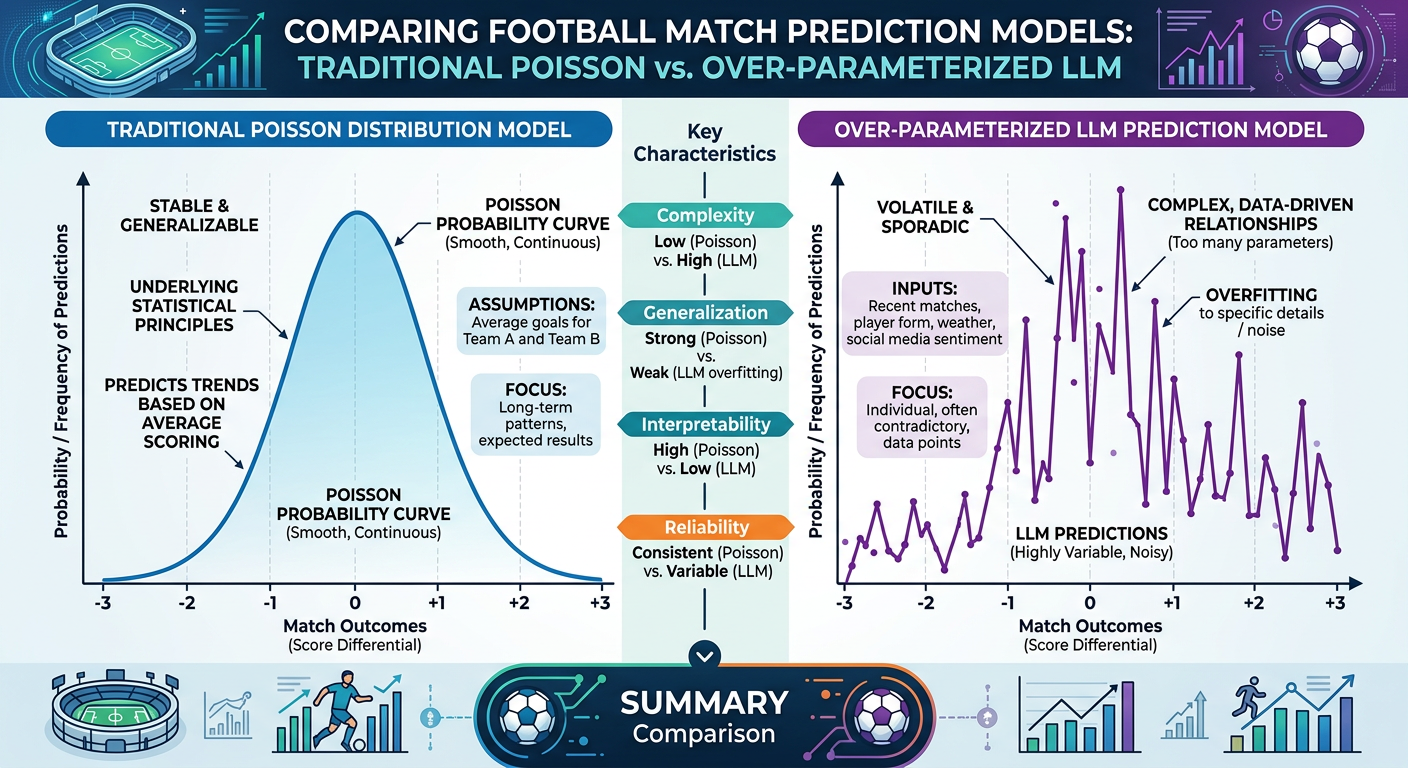
Every World Cup brings a surge of new predictive models, but 2026 feels different due to the encroachment of Large Language Models (LLMs). The reality, however, is a stark reminder of the "over-parameterization penalty." When developers inject too many variables into their models—often to make them appear more "intelligent"—they frequently increase the model's vulnerability to market noise and historical biases.
Traditional models, built on Poisson distributions and Elo-based ratings, remain the industry gold standard for a reason: they are built on robust, time-tested statistical baselines. Conversely, newer, hyper-complex models often suffer from "agency drift," where autonomous betting bots, driven by LLMs, begin to hallucinate correlations that simply don't exist under high-stakes, high-volatility conditions.
"I built a World Cup 2026 prediction site as a personal hobby project, and it turned into a much bigger project than I expected... The pre-tournament model currently has Spain as the most likely winner." — u/FootballMatchMaster, r/soccer
Standardizing the Pitch: FIFA's 48-Team Data Initiative
With the expansion of the tournament to 48 teams, the sheer scale of the data operation is unprecedented. FIFA has launched a comprehensive data unification project to ensure that every team is captured with the same technical fidelity. This is not just a digital exercise; it is an operational Herculean task requiring localized server-side AI infrastructure to function flawlessly across varying climate zones, from the humid coasts of North America to the sweltering inland stadiums.
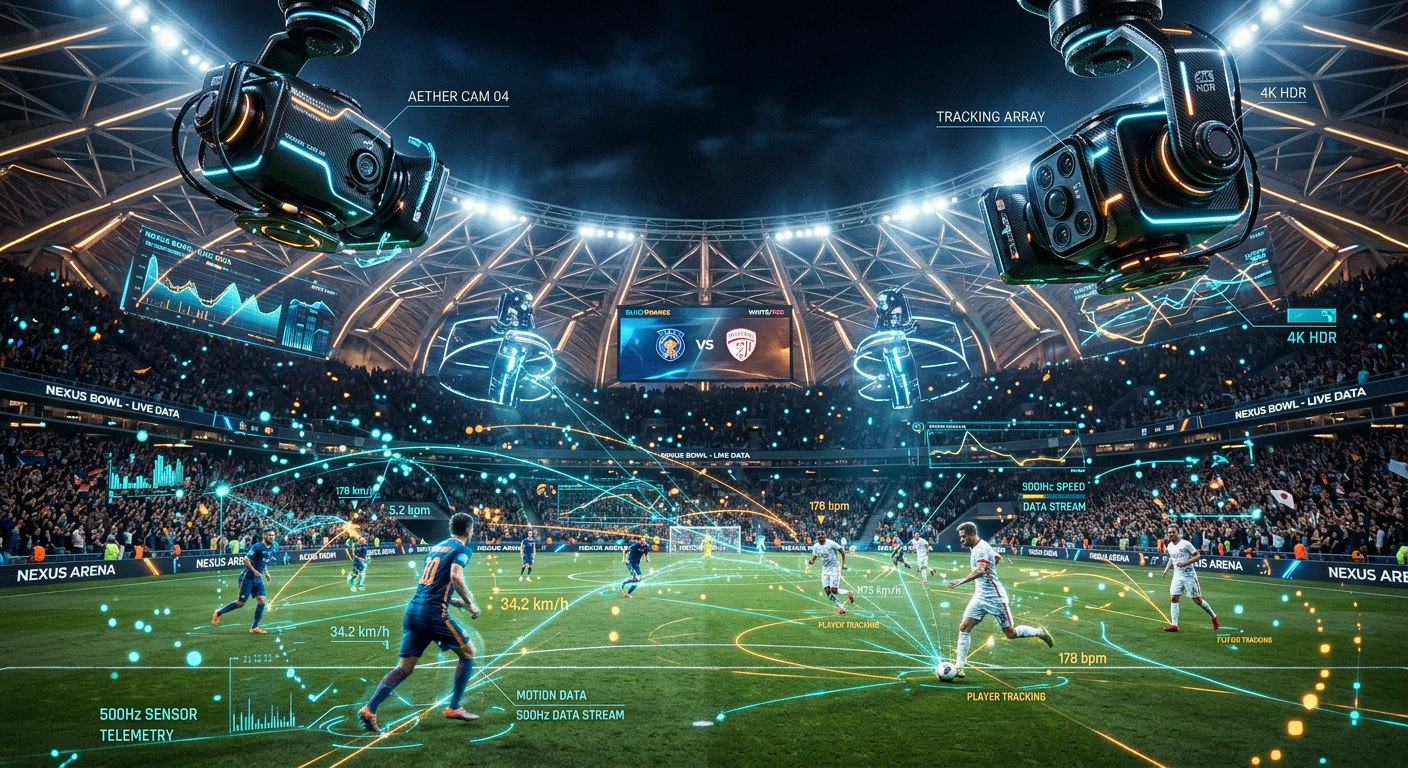
Beyond simple tracking, the introduction of 500Hz 'Connected Ball' sensor data is a game-changer. By capturing movement, spin, and force at 500 times per second, FIFA is creating a new goldmine for analytics firms. This data allows for a level of transparency that was previously impossible, essentially "digitizing the pitch" in real-time.
Beyond the Scoreboard: AI as Physical Infrastructure
If you are looking for the "AI winner" of the 2026 World Cup, look at the referees. The use of Semi-Automated Offside Technology (SAOT) has matured into a seamless layer of infrastructure that now includes 3D body mapping and real-time referee view stabilization. The goal is no longer just to "guess" the outcome of a match, but to ensure that the geometry of the game is adjudicated with total transparency.
"[OC] 2026 World Cup — the full distribution of where each team is likely to bow out, across 20,000 Monte Carlo simulations. Obviously built with the help of AI, but directed and orchestrated by human." — u/WorldVsModel, r/dataisbeautiful
Engagement Snapshot
The buzz surrounding 2026 is reaching a fever pitch on social platforms. Data scientists on Reddit have been stress-testing their models against 20,000-run Monte Carlo simulations, while business intelligence platforms like TradingView are tracking 5 key stocks related to AI sports infrastructure. Indian tech enthusiasts, in particular, are tracking these developments closely, as the country’s growing sports-tech sector looks for ways to integrate global FIFA-standard data into local league broadcasts.
The Bottom Line
The real story of the 2026 World Cup isn't the AI that claims to know who will lift the trophy; it’s the infrastructure that makes the game measurable. By moving AI out of the "predictive black box" and into the "physical infrastructure" of the stadium, FIFA is setting a new precedent. The value of AI in 2026 will be found in the broadcast depth, the accuracy of the offside call, and the raw, granular data being pumped out of every corner of the pitch—not in the bracket you filled out on a whim.