Namesake Nosedives: The Cost of Herd Mentality in the Age of Viral Trends
A viral video of PM Modi gifting 'Melody' toffees to the Italian PM sent retail investors scrambling for shares of the wrong company. This 'namesake' blunder highlights a dangerous rise in impulse trading driven by social media buzz rather than fundamental research.

Photo by Tejasvi Maheshwari on Pexels
Namesake Nosedives: The Cost of Herd Mentality in the Age of Viral Trends
A viral clip of Prime Minister Narendra Modi gifting a packet of 'Melody' toffees to Italian Prime Minister Giorgia Meloni was intended to be a lighthearted moment of diplomatic charm. Instead, it triggered a bizarre financial phenomenon in the Indian stock markets: retail investors, spurred by a wave of impulsive, keyword-driven trading, sent shares of 'Parle Industries' soaring by 5%, hitting the day's upper circuit. The catch? The company they bought has absolutely nothing to do with the makers of the popular toffee.
The Melody of Misidentification
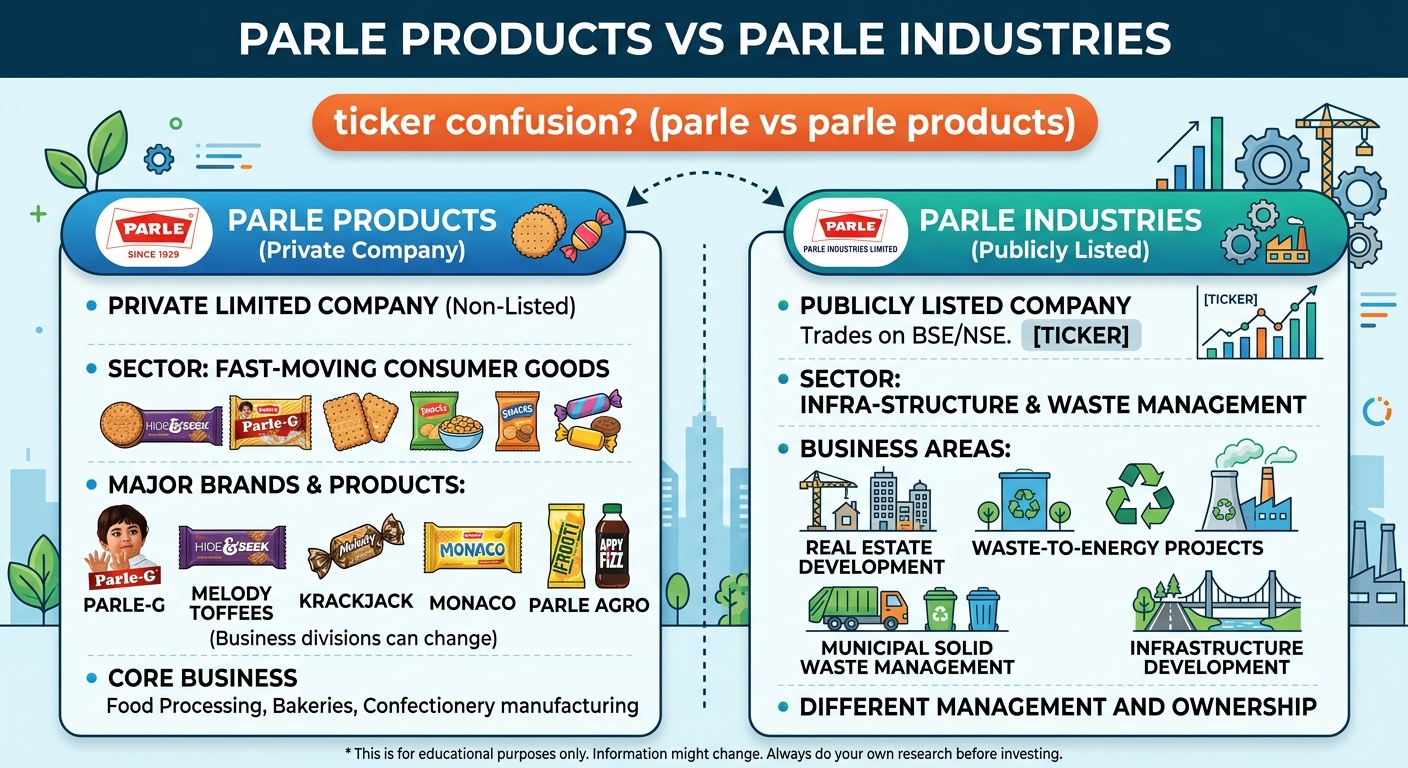
The frenzy was a classic case of mistaken identity. While the internet celebrated the 'Melody' branding, retail investors scrambled to their brokerage apps to capitalize on what they perceived as a massive brand win for Parle Products. In their rush to beat the market, they failed to perform a fundamental check: Parle Products, the private enterprise that actually manufactures the confectionary, is not listed on any stock exchange.
Instead, investors poured capital into Parle Industries, a publicly traded company that operates in an entirely different sector. Within hours of the news breaking, the stock hit its 5% upper circuit, leaving market analysts stunned by the sheer speed of the herd response. The irony was not lost on the investing community, who quickly took to social media to mock the blunder.
""Galat stock pr UC laga diya(PARLE). Dummies bought the wrong PARLE stock. Hahahaha. The PARLE food company isn’t listed on stock exchange." — u/anonymous, r/IndianStockMarket
The Anatomy of a Namesake Trap
This is not the first time the market has been hoodwinked by a name. We have seen similar 'namesake' spikes in the past, such as the confusion between Zoom Video Communications and the obscure OTC-listed Zoom Technologies, or the bizarre rallies in 'Tweeter' stock when investors meant to target the social media giant Twitter (now X).
Modern markets are increasingly vulnerable to this form of 'algorithmic hallucination.' When social media buzz spikes around a specific keyword, retail investors often use automated screeners or impulsive buy orders without verifying the ticker symbol or the corporate structure behind it. This creates a feedback loop where automated trading bots—programmed to react to volume and keyword momentum—further exacerbate the price swing, dragging unsuspecting traders into a trap of their own making.
Retail Herd Mentality: A Growing Market Risk
The 'Parle' incident is a symptom of a larger, more systemic issue in the Indian equity markets: the erosion of due diligence. As accessibility to trading apps has exploded, the profile of the average retail investor has shifted. Many are now trading based on social media trends, WhatsApp forwards, and 'finfluencer' tips rather than balance sheets or corporate filings.
This trend is dangerous. When trading becomes a game of 'who can click fastest,' the fundamental purpose of the stock market—capital allocation based on business performance—is subverted by high-velocity memes.
""Who ever gave this idea to Modi ji would have earned crores in a day in inside trading." — u/anonymous, r/IndianStockMarket
Regulatory Oversight and Future Implications
Sudden, unexplained price surges that defy logical business metrics should theoretically trigger red flags within the surveillance systems of market regulators like SEBI. However, the sheer volume of low-value, high-frequency trades during viral events makes it difficult to distinguish between genuine, albeit misguided, investor interest and deliberate market manipulation.
There is a real risk that malicious actors could exploit this behavior. By intentionally fueling confusion around a trending topic, bad actors could potentially pump a stock and dump it on retail investors who are too lazy to check the ticker. As the dust settles on the 'Melody' rally, the inevitable price correction will likely leave late-movers holding the bag, further highlighting the futility of chasing viral trends.
Engagement Snapshot
- Primary Sentiment: Satirical / Cautionary
- Total Affected Ticker: Parle Industries (BSE: 532972)
- Market Impact: 5% Upper Circuit hit post-event
- Primary Discussion Hubs: Moneycontrol, Reddit (IndianStockMarket), and X (formerly Twitter)
The Bottom Line
The Parle-Melody saga is a sobering reminder that in the age of algorithmic trading and social media frenzy, the most dangerous risk to your portfolio is your own lack of due diligence. The market will always reward those who look at the fine print, but it will inevitably punish those who buy the 'vibe' rather than the value. Before you place your next trade based on a viral video, remember: a candy wrapper is not a business model.