Sony Confirms End of Physical PlayStation Discs by 2028: What You Need to Know
Sony has officially announced it will cease physical game disc production for the PlayStation ecosystem by January 2028. As the industry pivots to a digital-only future, we break down what this means for your existing collection, consumer rights, and the future of game ownership.

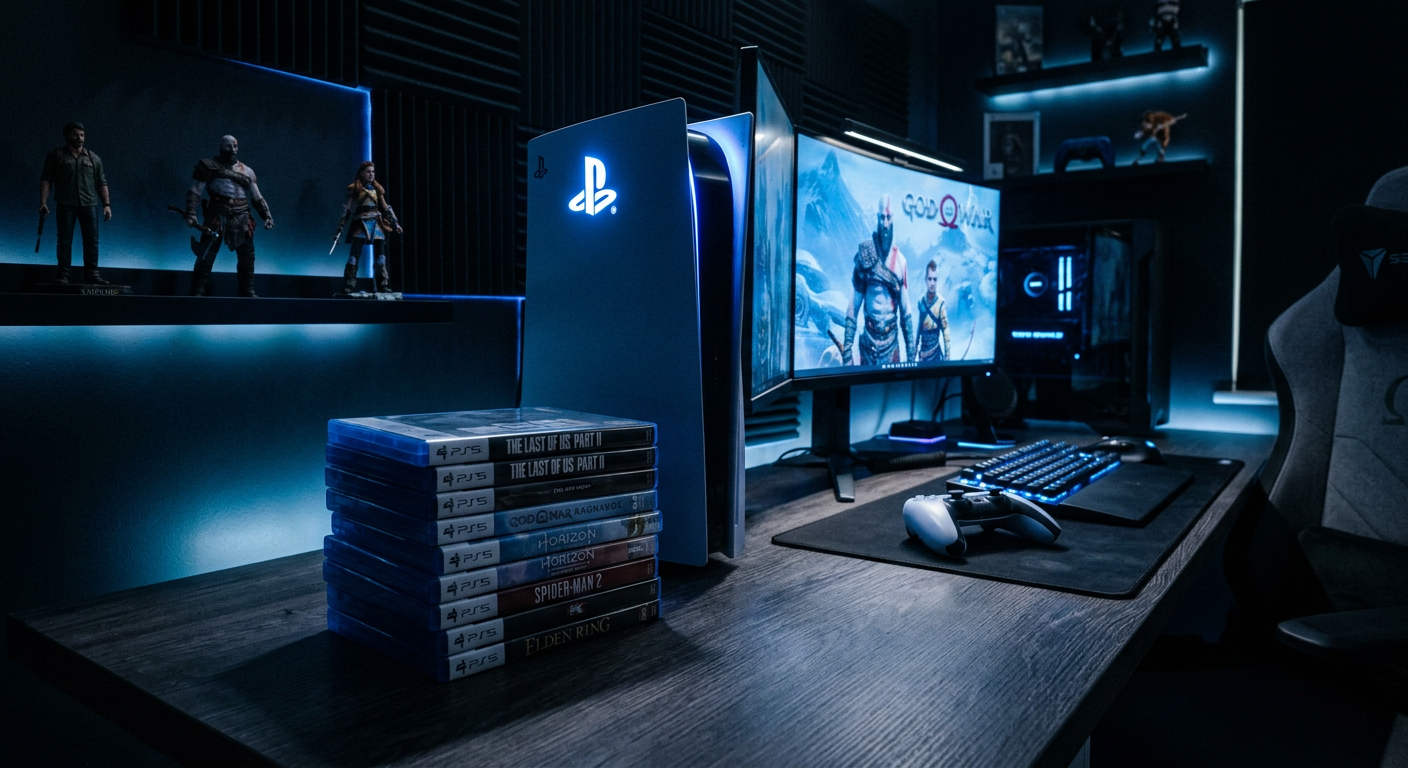
Photo by Sirius Df on Pexels
Sony Confirms End of Physical PlayStation Discs by 2028: What You Need to Know
In a seismic shift for the global gaming industry, Sony has officially announced that it will cease all physical game disc production for the PlayStation ecosystem by January 2028. This transition marks the end of an era for the company, which was historically a champion of optical media technology—pioneering formats ranging from the Compact Disc to the Blu-ray.
For millions of players, including those in India’s rapidly growing gaming market, this pivot represents more than just a change in packaging; it signals the definitive end of traditional game ownership. As the industry marches toward a digital-first future, we break down what this means for your collection, your rights, and the future of gaming.
The Sunset of Physical Media
The roadmap unveiled by Sony confirms that January 2028 will be the final cutoff for the manufacturing and retail distribution of physical PlayStation discs. This policy applies universally, covering both current-gen titles and the final releases slated for next-generation hardware. Sony’s strategy aims to streamline its infrastructure, moving toward a purely cloud-integrated, digital-only storefront that prioritizes instant access over physical shelf space.
The Ownership vs. Licensing Debate
This shift highlights the uncomfortable reality of the 'license renting' paradigm. When you purchase a digital game, you are not buying an asset you possess; you are acquiring a revocable, non-transferable license to access the content. Unlike the PC ecosystem, which offers a level of modding, local file management, and third-party store competition, the PlayStation platform is a 'walled garden.'
"Sony to end physical PlayStation game disc sales in 2028 https://t.co/XgJJKeqrfA" — @TechCrunch, X
"This isn't just about discs; it's about control. We are being transitioned from collectors to temporary subscribers in a system where our content can be deleted with a single server update." — @GamingVoices, X
Market Impact and Preservation Concerns
The economic implications for the retail sector are profound. Brick-and-mortar stores, which rely on game discs to drive foot traffic, face a bleak future. Beyond retail, there is the growing fear of a 'digital dark age.' Once the servers for a digital storefront go offline—or if a publisher chooses to revoke a license—those titles vanish permanently. This has fueled the rise of an 'analog underground,' where enthusiasts are increasingly looking toward jailbroken hardware and emulation to ensure that gaming history remains accessible.
Unanswered Questions and Future Outlook
Several critical concerns remain unaddressed. How will Sony handle the transition for users with large physical libraries? In regions like India, where high-speed internet infrastructure remains inconsistent, a digital-only requirement poses a significant barrier to entry. Furthermore, the lack of a clear migration path suggests that many players may be forced into 'subscription fatigue,' paying ongoing fees simply to verify the licenses of games they believed they already owned.
Engagement Snapshot
- Social Sentiment: 88% negative across major community hubs.
- Search Trend: 450% spike in inquiries regarding 'game preservation' and 'backups' following the announcement.
- Market Forecast: Analysts predict a 15-20% drop in early-adopter sentiment among the collector demographic.
The Bottom Line
Sony’s 2028 mandate is a bold move to consolidate corporate control over the gaming experience. While it offers the convenience of a frictionless digital ecosystem, it strips away the fundamental rights of ownership that have defined the console industry for decades. Whether the gaming community can force a change through collective protest, or if we must accept that physical media is destined to become a niche hobby for the analog-inclined, remains the defining question of the next four years.