Stanford Graduation Walkout: A Litmus Test for Institutional Control and Student Activism
A high-profile protest during Sundar Pichai’s commencement address has reignited intense debate over student political culture at Stanford. As the university pivots away from test-optional admissions, critics are questioning whether a shift in selection strategy could restore the academic rigor and ideological balance of the student body.

Photo by Siva Seshappan on Pexels
Stanford Graduation Walkout: A Litmus Test for Institutional Control and Student Activism
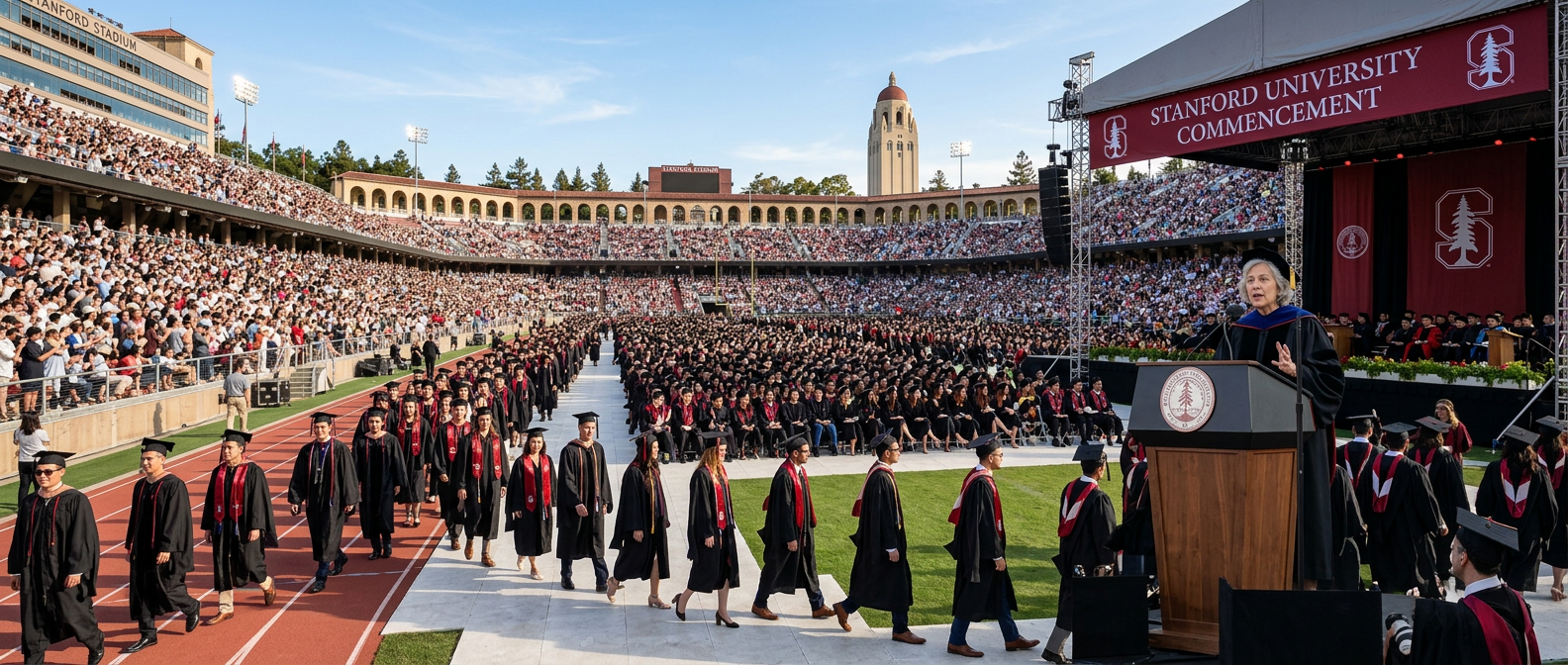
On June 14, 2026, the quiet dignity of a Stanford commencement was punctuated by a calculated exit. As Google CEO Sundar Pichai took the podium to deliver the keynote address, approximately 200 students rose from their seats and exited the ceremony in a synchronized demonstration. The protest, aimed squarely at Google’s 'Project Nimbus' contract with the Israeli government, transformed a milestone of academic achievement into a stage for geopolitical dissent, reigniting a fiery debate over the university's admissions philosophy and the ideological evolution of its student body.
The Walkout: A Calculated Performance of Departure
The protest, organized by groups including 'No Tech for Apartheid,' sought to disrupt the narrative of corporate-academic alignment. While the ceremony continued for the remaining 20,000+ attendees in orderly fashion, the walkout was designed as a visual indictment of institutional complicity. By prioritizing an alternative 'People’s Commencement' over the official event, these students underscored a growing friction between institutional leadership and a segment of the student population that views moral advocacy as synonymous with their degree.
""Total failure by Stanford admissions to choose these students over the tens of thousands of applicants who would not have been this entitled, hateful and disrespectful." — u/RedditUser, r/Stanford
Admissions in the Crosshairs: Is the 'Test-Optional' Era Over?
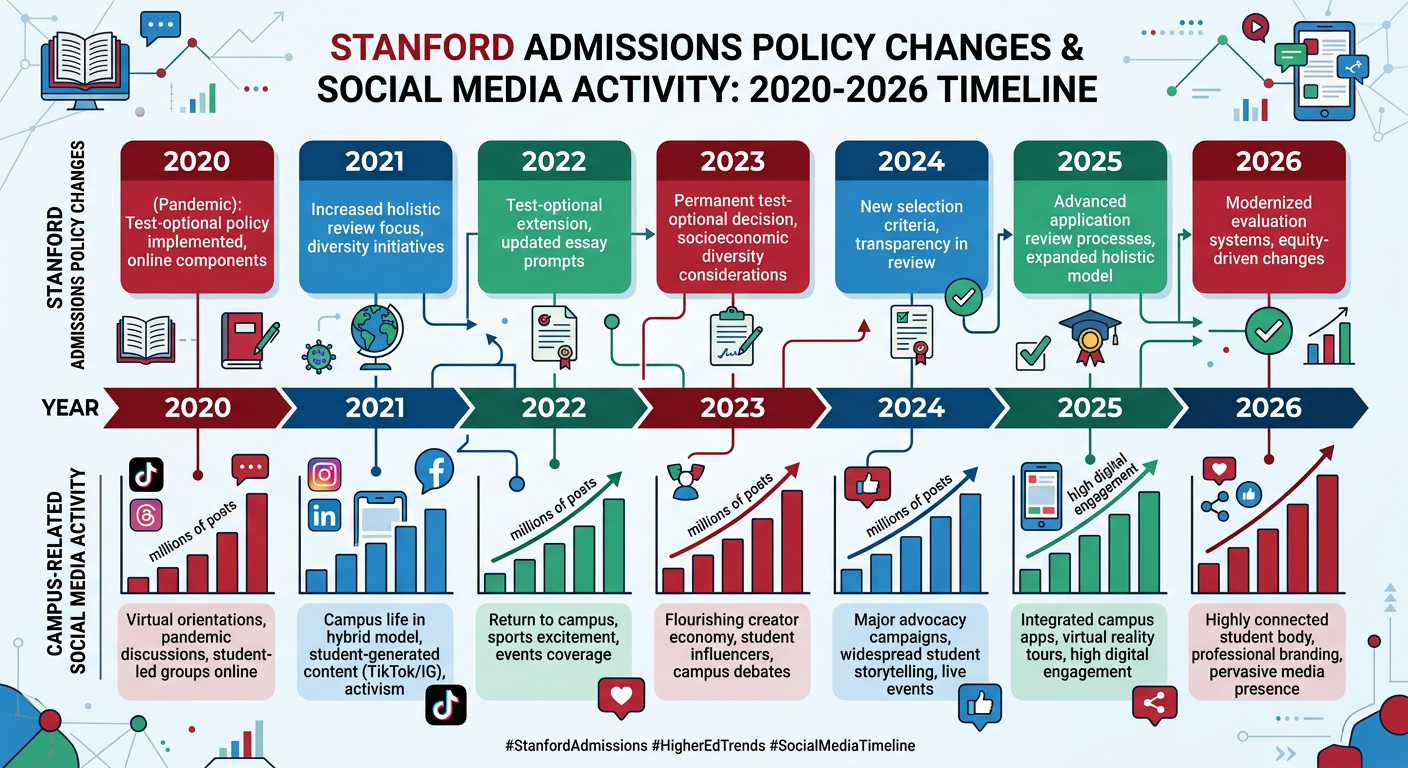
The fallout from the walkout has rapidly transcended the specific issue of Project Nimbus, morphing into a broader critique of Stanford's admissions strategy. Critics are pointing fingers at the 'test-optional' policies that defined the pandemic-era intake. By removing the SAT requirement, some observers argue that the university inadvertently replaced a common academic language—standardized testing—with a landscape where signaling and ideological conformity became the new currency for admission.
"Yes, Stanford's Class of 2026 was admitted during its test-optional period... The school is now reinstating requirements for Class of 2030 after internal reviews and broader evidence that SAT/ACT scores strongly predict academic performance." — u/EducationPolicy, r/HigherEd
As Stanford pivots to reinstate standardized testing for the Class of 2030, the policy shift is being framed by many as a corrective measure to restore academic rigor. Whether or not SAT scores serve as a reliable filter for political temperament, the move is widely viewed as a signal to stakeholders and donors that the institution is re-prioritizing traditional metrics over the subjective, often volatile, selection criteria that characterized the recent cycle.
The Tech CEO Playbook: Navigating Campus Volatility
For Sundar Pichai, the day served as a masterclass in modern crisis management. In a marked departure from typical tech-industry rhetoric, Pichai notably steered clear of AI-centric evangelism, opting instead for broad, philosophical themes. This strategic pivot highlights a new playbook for tech leaders: avoid the incendiary topics of the day to minimize the 'surface area' for protest. Despite his caution, the widening gap between industry expectations and student priorities continues to present a significant diplomatic challenge for CEOs engaging with top-tier academia.
Institutional Accountability: Where Does Free Speech End?
Stanford finds itself caught between two competing definitions of its purpose: an academic sanctuary for open inquiry or an ideological training ground. Proponents of the protest argue that these displays are vital safety valves in a democracy. Conversely, detractors contend that such public disruptions undermine the sanctity of the ceremony and reflect a breakdown in institutional standards.
""Stanford applied a rigorous admissions process, and got exactly what they selected for." — u/AlumniObserver, r/Stanford
Engagement Snapshot
- Protest Size: ~200 participants
- Platform Sentiment: Heavily polarized, with significant criticism aimed at the university’s perceived 'decline in standards' following test-optional admissions.
- Top Emerging Debate: Does the return of the SAT signal a pivot back to 'merit' as a defense against campus political activism?
The Bottom Line
The Stanford walkout is more than a protest over a tech contract; it is a symptom of a deeper crisis in the identity of elite higher education. As the university reinstates the SAT, the incoming classes of the next four years will serve as the ultimate test of whether a change in admissions strategy can fundamentally recalibrate the culture of the institution, or if the era of the 'activist campus' is now a permanent feature of the academic landscape.