Structural Fix vs. Band-Aid: Experts Weigh in on the FPI Tax Exemption
As the government moves to exempt foreign investors from taxes on G-Secs, market analysts are divided on whether this is a strategic pivot to stabilize the rupee or merely a temporary patch for systemic volatility. We break down the impact on capital inflows and the broader implications for Indian sovereign debt.

Photo by www.kaboompics.com on Pexels
Structural Fix vs. Band-Aid: Experts Weigh in on the FPI Tax Exemption
As the Indian government moves to exempt foreign investors from taxes on Government Securities (G-Secs) through a newly approved ordinance, market analysts are locked in a spirited debate. Is this a strategic masterstroke designed to stabilize a weakening rupee, or merely a temporary, reflexive patch for systemic market volatility? With the ordinance carrying a retrospective effective date of April 1, 2026, the urgency of the move suggests a government eager to secure its Balance of Payments (BoP) position, yet observers remain divided on whether this can truly stem the tide of capital flight.
The Ordinance: A Strategic Pivot or Panic Measure?
The Cabinet’s recent decision to exempt foreign investors from taxes on G-Sec investments is, at its core, a move toward regional parity. By removing this fiscal barrier, India is positioning itself as a more competitive destination against other emerging markets that have long enjoyed a tax-neutral status for sovereign debt. The government is clearly signaling a pivot from relying solely on 'hot money' equity flows—which are notoriously fickle—toward courting 'patient capital' that sticks around for the yield offered by Indian sovereign debt.
However, the retrospective nature of the policy suggests a reactive posture rather than a long-term, deliberate fiscal roadmap. By offering relief for transactions dating back to April 1, 2026, the administration is attempting to provide an immediate 'sweetener' for investors who have been shying away from the volatility of the Indian rupee.
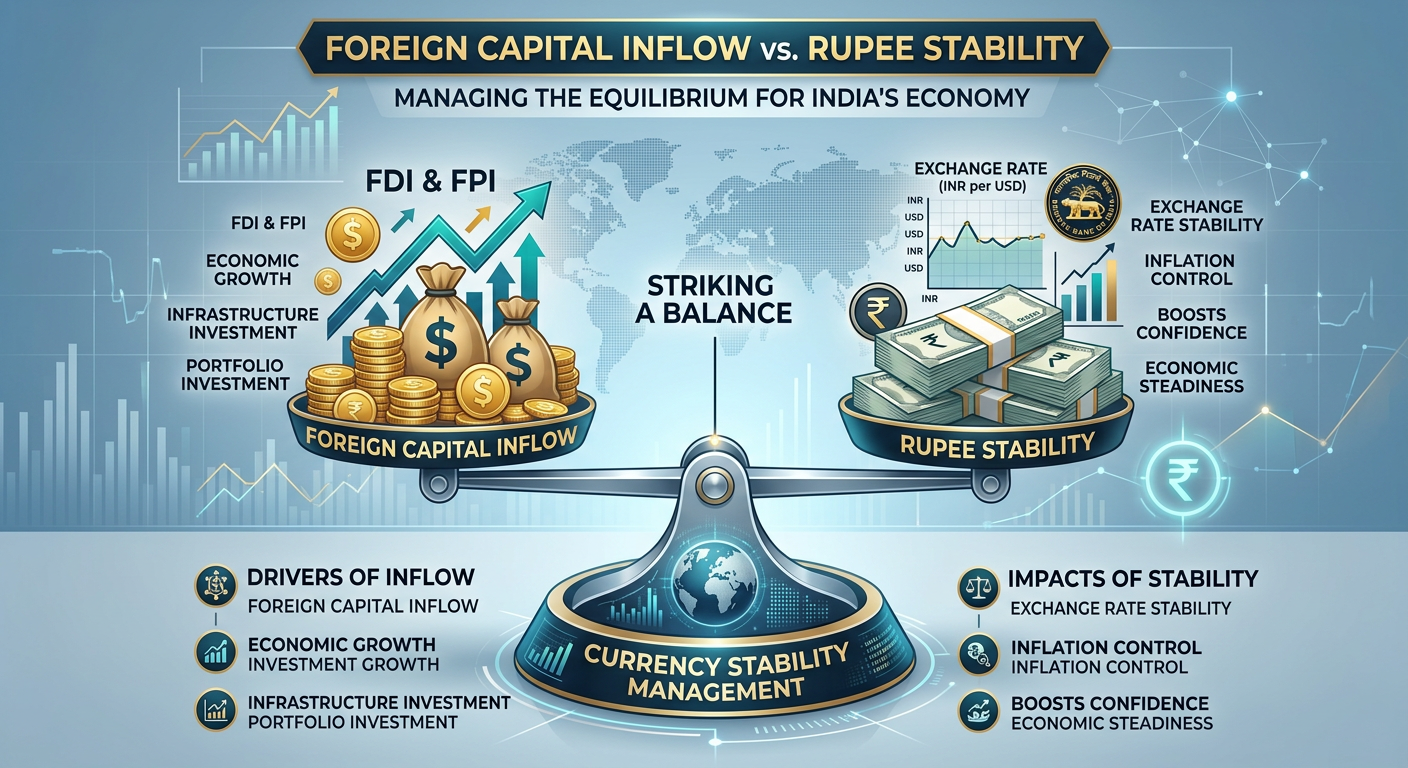
Domestic Equity vs. Foreign Preferential Treatment
This ordinance has sparked a significant backlash among domestic market participants. Critics argue that extending tax benefits to foreign entities that are explicitly denied to domestic investors creates an uneven playing field. It raises the age-old question: why should a foreign institutional investor (FII) receive a fiscal advantage while the domestic taxpayer and local investor base shoulder the burden of tax reforms?
While proponents suggest this is a necessary move to attract liquidity, the 'band-aid' critique persists. Skeptics maintain that these tax exemptions do not resolve the structural issues—such as tepid private corporate investment and high valuation premiums—that continue to weigh on the broader Indian market outlook.
What Comes Next: RBI and the Post-MPC Landscape
All eyes are now turned toward the Reserve Bank of India (RBI). Market participants are keenly waiting to see if this ordinance is a precursor to more aggressive, structural interventions expected in the post-MPC landscape. While the tax exemption lowers the entry threshold, investors are still grappling with the 'elephant in the room': currency risk.
For long-only investors, tax efficiency is secondary to currency volatility. Unless the RBI pairs this ordinance with measures that demonstrate a clearer path toward rupee stability, the influx of capital may be more muted than the government anticipates. Furthermore, the market will be looking for specific eligibility criteria to see if the ordinance is broad enough to encourage a meaningful shift in asset allocation toward G-Secs.
The Bottom Line
The G-Sec tax exemption is a powerful tool to reduce the cost of capital for the government and invite a more stable class of foreign investment. However, until systemic reforms are implemented to address the fundamental currency risk and the underlying stagnation in private corporate investment, this ordinance risks being perceived as a temporary fix. Investors should expect continued volatility until the broader macroeconomic picture—and the RBI's specific post-MPC stance—becomes fully clear.