The 'Brain Drain' Reality: Why Indian-Origin Talent is Fueling Associate Nation Success
India's historic 0-2 T20I series loss to Ireland has sparked national debate, but the emergence of match-winners like Jai Moondra points to a deeper systemic issue. We examine why Indian-born talent is flourishing abroad while domestic pathways remain blocked.
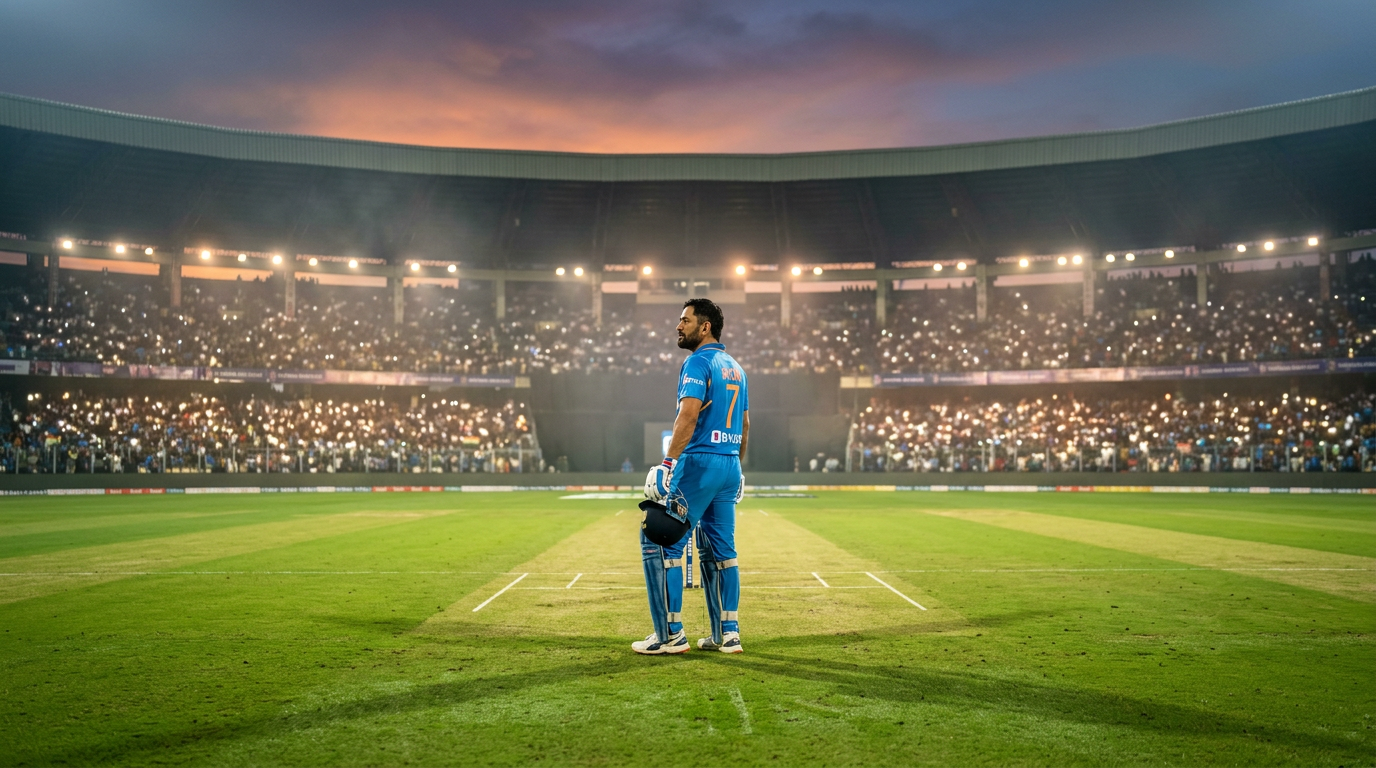
Photo by Sight See-RR on Pexels
The 'Brain Drain' Reality: Why Indian-Origin Talent is Fueling Associate Nation Success
India's historic 0-2 T20I series loss to Ireland has sparked a national debate, but the emergence of match-winners like Jai Moondra points to a deeper, systemic issue. We examine why Indian-born talent is flourishing abroad while domestic pathways remain blocked at home.
The Ireland Whitewash: A Crisis or Experiment?
The recent 0-2 series defeat to Ireland marks a watershed moment in contemporary Indian cricket. For the first time in history, a major Test-playing nation has been outplayed by Ireland in a bilateral T20I series, and the fallout has been immediate. Critics have pointed directly at the coaching tenure of Gautam Gambhir, whose leadership has seen India fail to secure a series win in four consecutive assignments.
While the BCCI and team management frame this as a period of tactical experimentation, the numbers suggest a lack of focus. Whether this was a genuine developmental exercise or a failure of execution, the margin of defeat—including a narrow one-run loss in the second match—has fueled public frustration.
Case Study: The Meteoric Rise of Jai Moondra
At the center of this storm is Jai Moondra, the Rajasthan-born software engineer whose debut performance for Ireland secured the series win. Moondra, who moved to Ireland for his studies in 2021, exemplifies the "dual-life" athlete. Between training sessions and international match-winning spells, Moondra has been spotted actively seeking software roles on LinkedIn—a stark reminder of the financial instability often found outside the Indian cricket ecosystem.
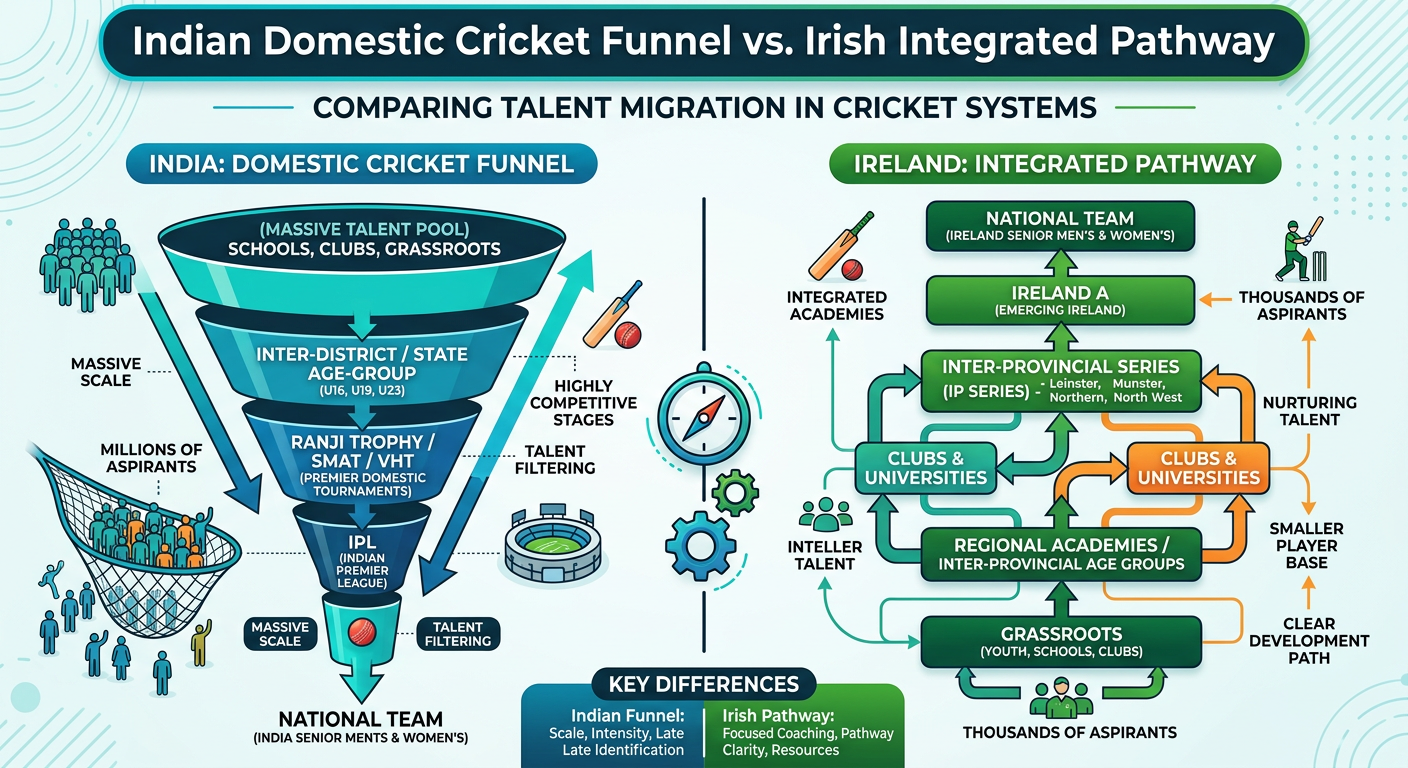
His transition from a club cricketer in Dublin to an international match-winner within five years highlights the accessibility of the Irish system. It provides a stark contrast to the hyper-competitive and often opaque pathway system in India, where even prodigious talents struggle to find a foothold in the senior squad.
Structural Stagnation: The BCCI 'Brain Drain'
The frustration among Indian fans isn't just about the results; it’s about the opportunity cost. The exclusion of teen prodigy Vaibhav Sooryavanshi from the squad became a focal point of criticism, with many questioning why a "rebuild" phase would bypass such high-potential youth. The BCCI’s restrictive policies on foreign league participation effectively act as a wall, forcing talented domestic fringe players to emigrate or change citizenship to pursue professional careers elsewhere.
Future Outlook: Accountability and Selection
Will the BCCI demand immediate structural changes? The upcoming England series will serve as the ultimate litmus test. Sanju Samson, whose performance has been scrutinized throughout this series, finds himself under immense pressure to retain his spot. The existential question remains: has the IPL-centric model, while financially lucrative, inadvertently cannibalized the deep-development pipeline required for sustained international dominance?
Engagement Snapshot
- Series Result: India 0 - 2 Ireland
- Impact: Ireland's first-ever T20I series win vs. major Test nation
- Community Sentiment: Heavily polarized; significant backlash regarding team selection and coaching performance.
The Bottom Line
The loss in Ireland is more than just a bad weekend of cricket. It is a signal that India’s vast talent pool is being bottlenecked by outdated administrative structures. As players like Jai Moondra continue to succeed abroad, the BCCI must decide whether to modernize its development pathway or risk losing its most valuable resource—its players—to the global market.