The 'Class 12 Admission' Debate: A Viable Alternative or a Decentralized Disaster?
With the NEET-UG 2026 cancellation exposing systemic rot and political nexus in the NTA, the push for state-level admissions is gaining momentum. We analyze whether decentralization offers a path to integrity or risks fragmenting India's medical education standards.

Photo by Andy Barbour on Pexels
The 'Class 12 Admission' Debate: A Viable Alternative or a Decentralized Disaster?
With the NEET-UG 2026 cancellation exposing systemic rot and a burgeoning political nexus within the National Testing Agency (NTA), the push for state-level admissions is gaining momentum. As the dust settles on the government's decision to scrap the May 3 examination, we analyze whether decentralization offers a path to integrity or risks fragmenting India's medical education standards.
The Breaking Point: Why NTA Trust Has Hit Zero
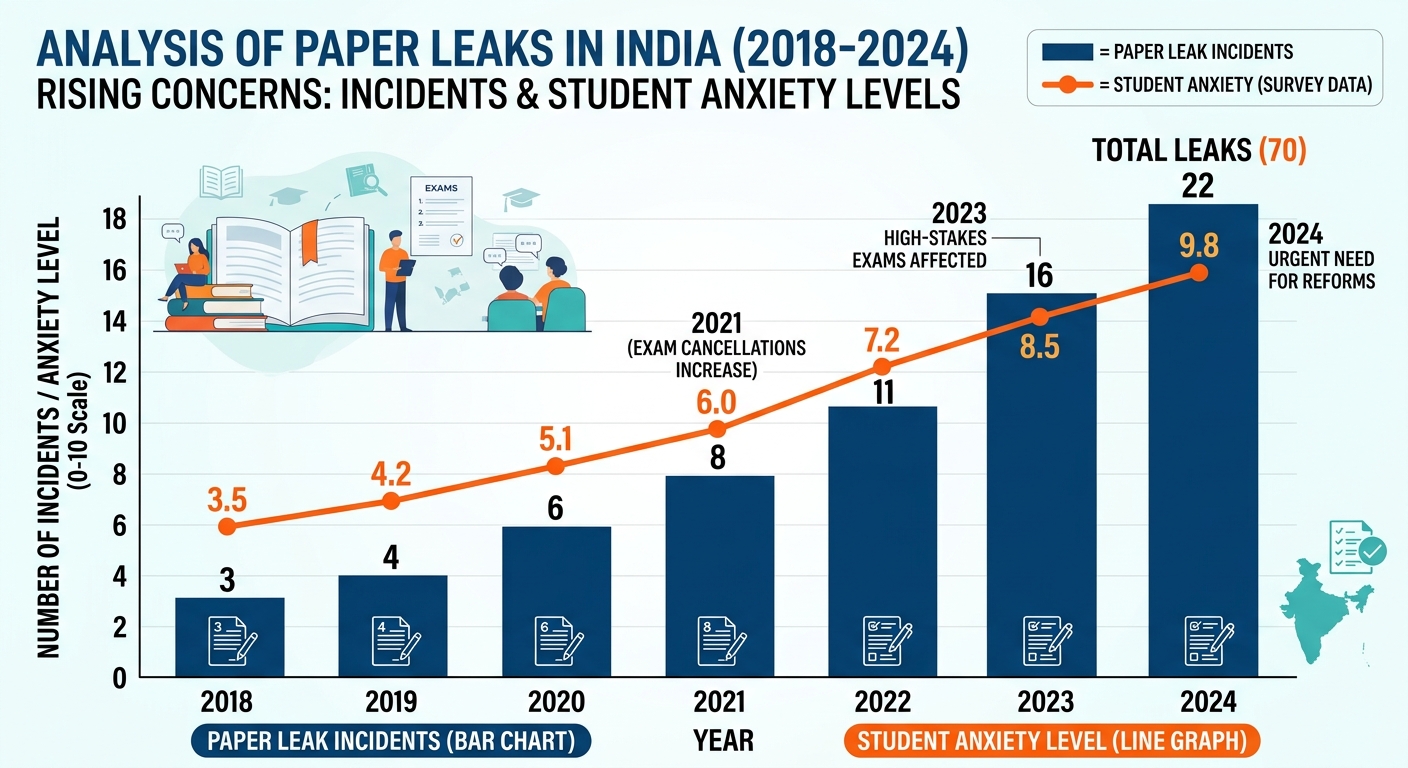
The formal cancellation of the NEET-UG 2026 examination is not merely a bureaucratic failure; it is a symptom of a systemic collapse. With over 70 paper leaks recorded in the last 7 years, the scale of the disaster is staggering, impacting approximately 1.7 crore students. What was once seen as an occasional administrative lapse has now morphed into a narrative of profound, cynical despair among India's youth.
Public trust in the NTA has effectively evaporated. The discourse has shifted from shock to deep-seated skepticism, particularly as investigations reveal the involvement of individuals with clear political affiliations. The arrest of a Rajasthan BJP youth-wing member and his kin in connection with the leak has fueled suspicions that the system is being gamed from the inside, shielding 'big fish' who remain untouched by the investigation.
"What kind of mockery of students is this???? So much hardwork of millions of kids gone in the drain because this pathetic people in power could not prevent a paper leak????? WHICH IS LITERALLY THEIR JOB."
— u/anonymous, r/India
The Tamil Nadu Model: A Constitutional Alternative?
As the national framework crumbles, Tamil Nadu Chief Minister Vijay has revitalized the debate for a return to state-level, board-exam-based medical admissions. The argument posits that centralized testing, while intended to standardize, has become a single point of failure that is easily compromised by organized syndicates.
However, the proposal is not without its detractors. Critics point to the glaring lack of parity between state boards and the CBSE, questioning whether an aggregate-based admission system could truly maintain the meritocracy required for medical training.
"Does he [CM Vijay] think board exams are free of cheating? Decentralizing doesn't end the rot; it just moves the goalposts to regions where local influence is even harder to monitor."
— u/skeptic_soul, r/unitedstatesofindia
Decentralization vs. Centralization: The Governance Dilemma
Is the NTA structure inherently prone to failure, or is it a matter of institutional capture? The pro-centralization argument suggests that a unified exam ensures equality. Conversely, the case for decentralization rests on the principle of subsidiarity: local accountability often creates shorter, more transparent chains of command.
Yet, the risks of regional political influence are non-trivial. Without a complete overhaul of the investigative and oversight mechanisms, shifting the burden to states might simply trade a national syndicate for fifty mini-syndicates. The core issue remains: whether the agency is governed by educators or political proxies.
Beyond the Exam: The Psychological Cost of Systemic Instability
The human toll of the 2026 NEET-UG cancellation cannot be quantified in data points. For millions, the exam is the threshold to a livelihood; its instability has induced a mental health crisis that is often overlooked in favor of "security theater"—the performative, military-style invigilation that fails to address the underlying rot of paper leaks.
Students are rightfully demanding more than just tighter security; they are calling for systemic accountability. A robust roadmap for reform must include independent auditing of the NTA, mandatory protection for whistleblowers, and a radical de-politicization of educational appointments.
Engagement Snapshot
- Total Impact: 1.7 Crore students affected.
- Political Sentiment: High volatility, with focus on BJP-affiliated accused.
- Community Consensus: Skepticism toward NTA viability; polarized views on state-level alternatives.
The Bottom Line
The NEET-UG 2026 debacle has proven that the current centralized model is failing to guarantee the sanctity of medical education. Whether we pivot to a decentralized board-based system or enforce a radical, merit-driven overhaul of the NTA, one thing is certain: the era of blind faith in national testing agencies is over. Without accountability that reaches the 'big fish' protecting the syndicates, no amount of institutional restructuring will restore the broken dreams of India’s aspiring doctors.