The Great Nicobar Legal Knot: Why Consent Processes Are in the Dock
As India positions the Great Nicobar Mega Project as a vital bulwark against maritime expansionism, the project faces its steepest challenge yet in the Calcutta High Court. We investigate the procedural friction, disputed tribal consents, and the critical intersection of national security and democratic accountability.
The Great Nicobar Legal Knot: Why Consent Processes Are in the Dock
As India positions the ₹72,000 crore Great Nicobar Mega Project as a vital bulwark against maritime expansionism in the Indo-Pacific, the ambitious infrastructure plan faces its most formidable hurdle yet. Currently sequestered within the corridors of the Calcutta High Court, the project—which envisions a massive transshipment port at Galathea Bay—has become the epicenter of a fierce debate over democratic accountability, tribal rights, and the true cost of national security.
The Strategic Mirage vs. Legal Reality
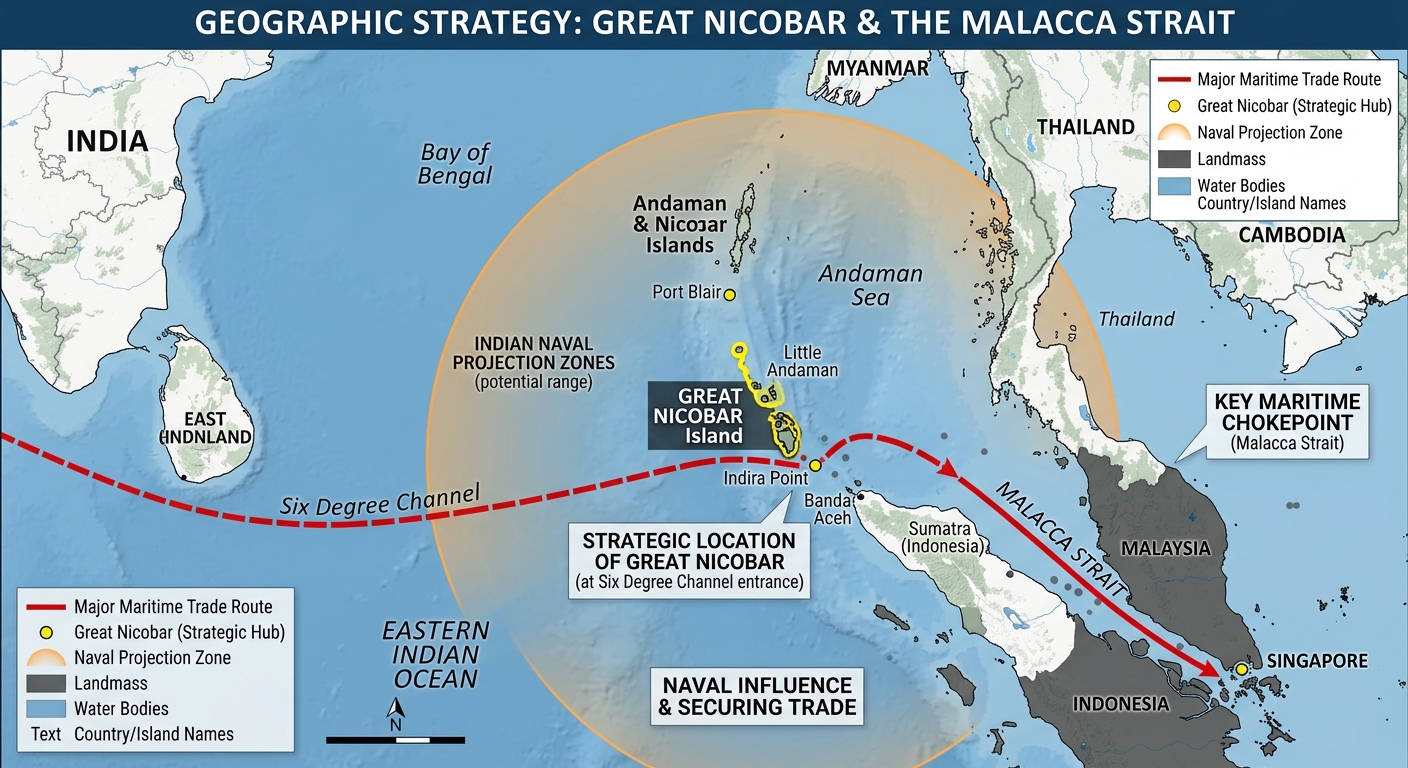
At the heart of the government’s pitch for the Great Nicobar project is a cold, hard geopolitical calculation: proximity. By developing a world-class transshipment hub near the Strait of Malacca, India aims to capture a slice of the global maritime trade currently dominated by Singapore and Colombo. For security hawks, this is an essential response to China’s “String of Pearls” strategy.
"I don’t get why people are dismissing Great Nicobar’s importance. It’s not exactly Strait of Hormuz, but its location near the Malacca Strait is a huge strategic advantage. A big chunk of global trade and China’s energy imports pass through this region—this is literally part of China’s “Malacca dilemma.” Strengthening infrastructure here gives India serious strategic leverage in the Indo-Pacific." — u/unknown, r/unknown
However, the narrative has split into two distinct realities. While the government frames the development as a prerequisite for India’s rise as a maritime power, critics argue that the project is being forced through a regulatory fast-track that ignores environmental and social safeguards. This polarization has spilled over into social media, where the technical reality of the project is often buried under nationalistic rhetoric.
The Consent Controversy: Gram Sabhas and Procedural Integrity
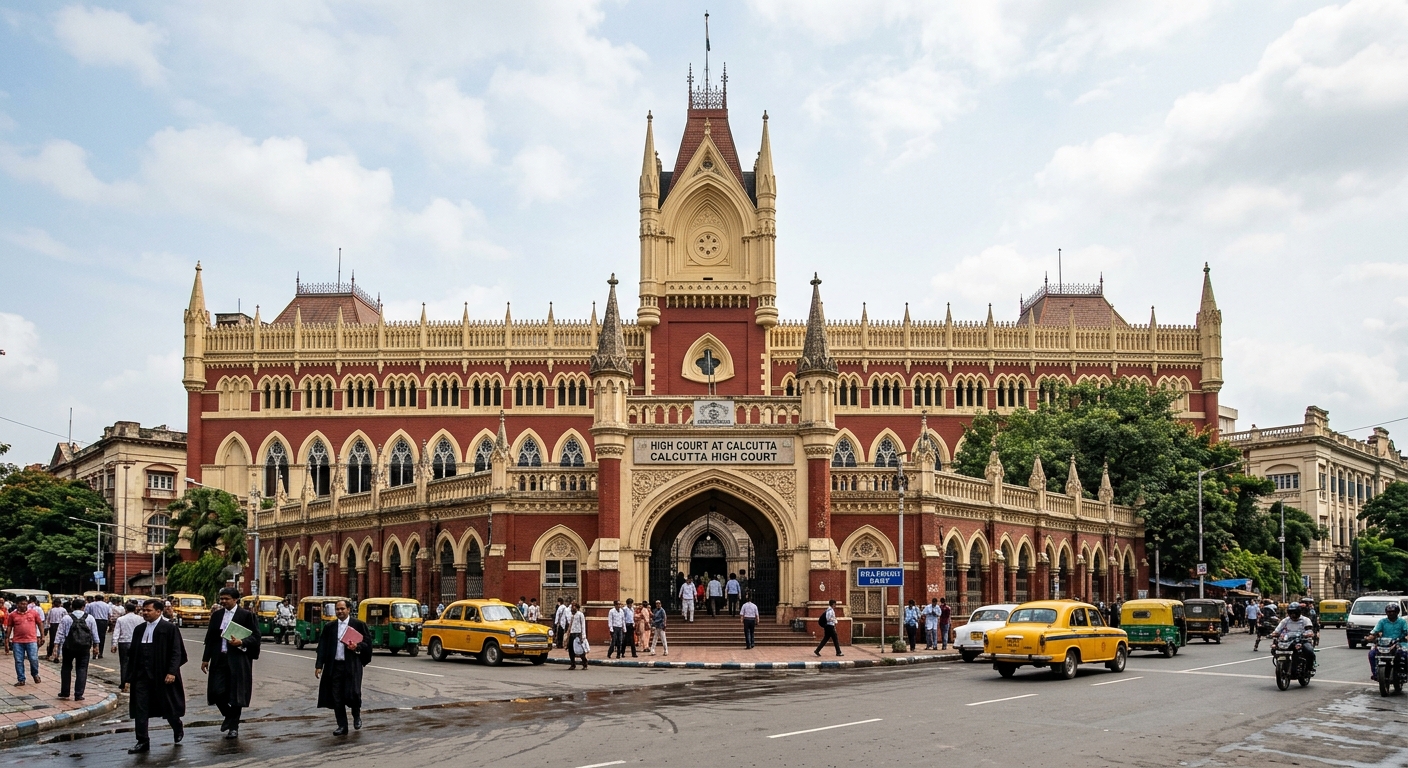
The most damaging legal challenge currently before the Calcutta High Court involves the integrity of the consent process. Under the Forest Rights Act (FRA), any project encroaching on tribal land requires the explicit, informed consent of the local Gram Sabhas. Petitions filed before the court allege that the necessary quorum for these meetings was never met.
Central to the controversy is the No Objection Certificate (NOC) granted by the tribal council. Activists argue that the document was obtained under duress or through a fundamental misunderstanding of the project's scale, while government representatives insist the process was transparent and inclusive. The disconnect between these narratives is now the subject of intense judicial scrutiny.
"The argument presented by Dhruv Rathee relies on a geographic oversimplification, specifically, the idea that a "choke point" is defined solely by the physical width of a strait... it ignores the geopolitical and functional realities that define [the strategic importance]." — u/unknown, r/unknown
Relocation and Displacement: The Paper Trail
The tension deepens when addressing the fate of the indigenous Shompen and Nicobarese populations. The government has consistently maintained a policy of “zero displacement,” asserting that the project footprint avoids core tribal territories. Yet, investigative reports citing internal government planning documents suggest the existence of a detailed relocation master plan.
This discrepancy creates a trust deficit. If the project requires land diversion that could fundamentally alter the ecosystems relied upon by the Shompen, the legal burden of proof rests on the state to demonstrate that these constitutional protections have not been circumvented for industrial gain.
The Road Ahead: Courtroom Stakes
The ongoing hearings at the Calcutta High Court serve as a litmus test for Indian administrative procedure. The court is tasked with weighing the sovereign defense and economic requirements of the state against the ironclad protections afforded to vulnerable tribal communities under the law.
Should the court rule against the current process, the project—and its ₹72,000 crore budget—could face significant delays or a complete redesign. Conversely, a clearance would signal a pivot toward prioritizing strategic maritime expansion over procedural dissent, setting a precedent for future development in India’s ecologically fragile border regions.
Engagement Snapshot
- Reddit Sentiment: Highly polarized; discourse oscillates between strategic geopolitical necessity and human rights concerns.
- Top Community Concerns: Misunderstanding of trade route logistics vs. procedural bypasses in tribal welfare laws.
- Ongoing Status: Calcutta High Court monitoring active filings related to environmental clearance and tribal land usage.
The Bottom Line
The Great Nicobar project is not merely a construction effort; it is a collision between two Indias—one that prioritizes rapid, state-led industrialization to counter global rivals, and another that demands strict adherence to the democratic, environmental, and social rights of its most marginalized citizens. The final court ruling will define not just the fate of Galathea Bay, but the standard of consent for every future national project.