The 'Income Ceiling' Myth: Why High Salaries Never Fully Silence Financial Anxiety
For India's tech elite, the race to reach a 'FIRE' number is often fueled by a persistent, gnawing anxiety that no salary hike can soothe. We explore why the pursuit of early retirement is creating a generation of high-earning, low-fulfillment professionals trapped by their own lifestyle inflation.

Photo by Mike on Pexels
The 'Income Ceiling' Myth: Why High Salaries Never Fully Silence Financial Anxiety
For India's technology elite, the race to reach a 'FIRE' (Financial Independence, Retire Early) number has become the definitive pursuit of the decade. In cities like Bangalore, where high-earners frequently command salaries exceeding 1L+/month, the traditional markers of success have shifted from professional prestige to the cold, hard math of a corpus target. Yet, beneath the veneer of sophisticated portfolios and Excel-tracked net worths, there lies a persistent, gnawing anxiety that no salary hike seems capable of soothing.
The Golden Handcuffs: Why Salary Growth Fails the Peace-of-Mind Test
There is a prevailing assumption in the startup ecosystem that if you just cross a certain income threshold, the fear of insolvency vanishes. Data suggests the opposite: as income rises, so does the complexity of 'lifestyle creep.' What begins as an investment in career growth eventually morphs into a trap where high-stress, high-salaried roles become non-negotiable liabilities. When your fixed costs—EMIs on a luxury apartment, international school fees, and premium insurance—align with your peak earnings, you lose the professional mobility that true financial independence should provide.
Optimization, intended as a tool for freedom, often becomes a coping mechanism for job insecurity. Professionals are not just saving for the future; they are 'over-earning' to defend against the volatility of the tech sector. This leads to a paradox: you earn more to achieve peace, but in doing so, you bind yourself to the very corporate machines that burn you out.

The Bangalore Micro-Economy: The Hidden Social Cost of Success
In the tech-heavy corridors of India’s IT capital, living within your means is increasingly difficult due to the 'social tax' of gated communities and elite networking circles. Membership in high-end fitness clubs and the pressure to participate in a specific lifestyle have created a secondary economy where social inclusion is pegged to spending power.
This has triggered a generational clash. Younger tech workers are moving away from the 'kanjoosi' (extreme thrift) of their parents, which was rooted in scarcity, toward an 'optimization for abundance' mindset. However, this shift is often misunderstood by peers, leading to a new kind of social friction where disciplined budgeting is unfairly stigmatized as stinginess, forcing many to spend just to 'fit in' with the high-earning crowd.
"#MCPersonalFinance | What happens if you invest Rs 1,000 every month for 30 years?
Financial planners often recommend linking financial goals to SIP contributions as the best way to reach them
@imNavneetDubey brings in details :
https://t.co/mP6VMwdOtL https://t.co/5Fdzy8myUp" — @moneycontrolcom
Beyond the 5Cr Corpus: Strategies for Long-term Sustainability
Reaching a 5Cr corpus is a common milestone for those targeting early retirement, but the sustainability of this figure in the Indian market requires more than just high savings. Inflation-adjusted withdrawal rates are the silent killers of many FIRE plans.
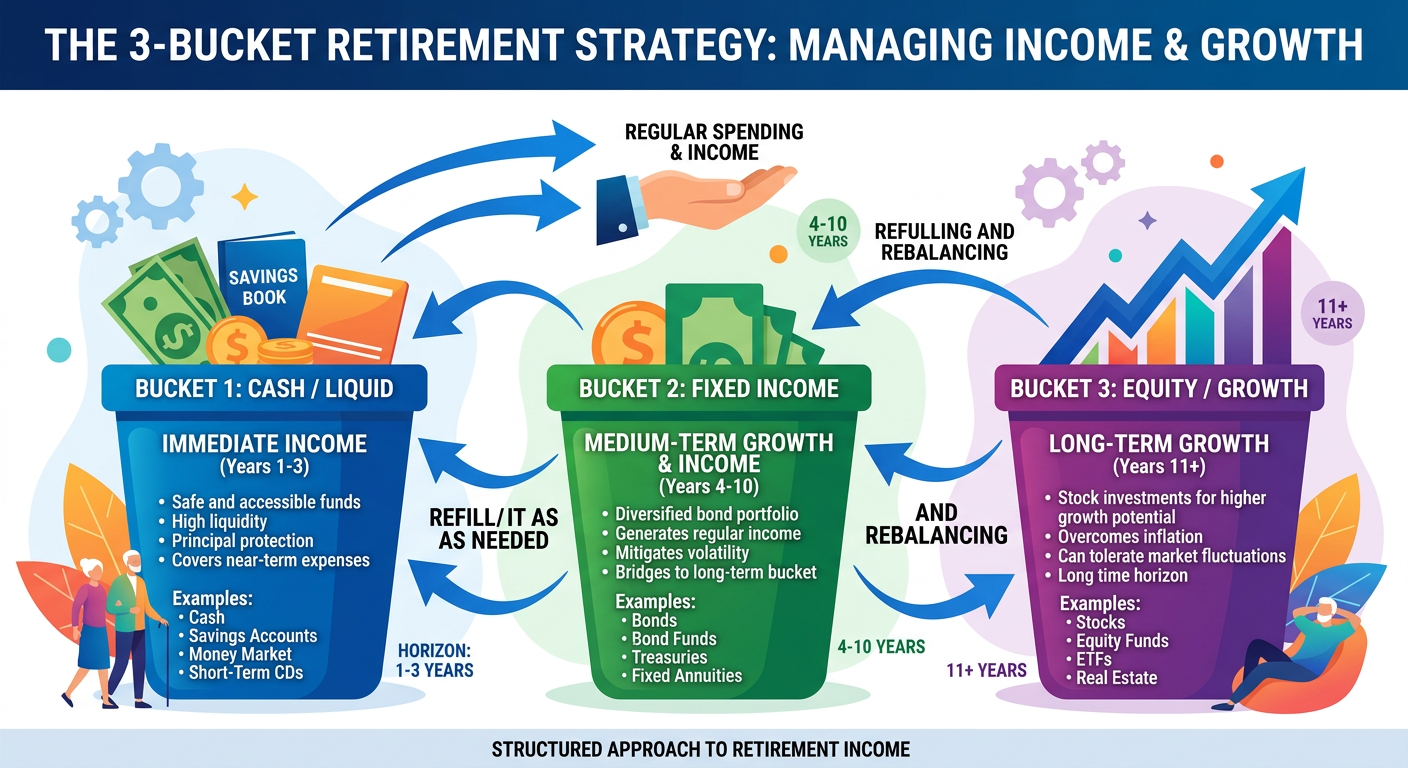
For returning expats, leveraging the RNOR (Resident but Not Ordinarily Resident) status and the India-US Double Taxation Avoidance Agreement (DTAA) is critical. These tax vehicles allow for a strategic window to restructure US-based assets without triggering immediate, punitive tax liabilities. Furthermore, adopting a 'Bucket Strategy'—dividing assets into liquidity (cash), income (bonds), and growth (equity) buckets—is essential to avoid the disaster of liquidating stocks during a market downturn.
The FIRE Paradox: Sacrificing Vitality for a Hypothetical Future
We must confront the dark side of extreme frugality. When 'smart habits' cross the line into health neglect—skipping preventative care, avoiding social experiences, or delaying life-defining moments—the pursuit of early retirement begins to cost more than it saves. The FIRE movement risks fostering a scarcity mindset that values a spreadsheet over human experience.
True success should be measured not by an arbitrary savings rate, but by the ability to pivot careers, take calculated risks, and maintain a quality of life that doesn't feel like a countdown.
Engagement Snapshot
While personal finance content continues to see high engagement on professional platforms, the sentiment is shifting from 'aggressive accumulation' to 'sustainable longevity.' Readers are increasingly interacting with threads that discuss career breaks and mental health in the context of money management, signaling a move toward more holistic financial planning.
The Bottom Line
No amount of net worth can replace the need for a sustainable career relationship. If your financial plan leaves you feeling trapped, it is time to pivot from 'optimization for the future' to 'optimizing for the present.' The goal is not just to retire early—it is to live well enough that you never feel the need to escape your life.