The Return of the Icons: What Kohli and Rohit Mean for the New-Look 2027 ODI Squad
As India begins its long-term preparations for the 2027 ODI World Cup, the inclusion of Virat Kohli and Rohit Sharma has sparked a debate on the balance between mentorship and youth development. We analyze the tactical implications of the BCCI's latest squad overhaul.
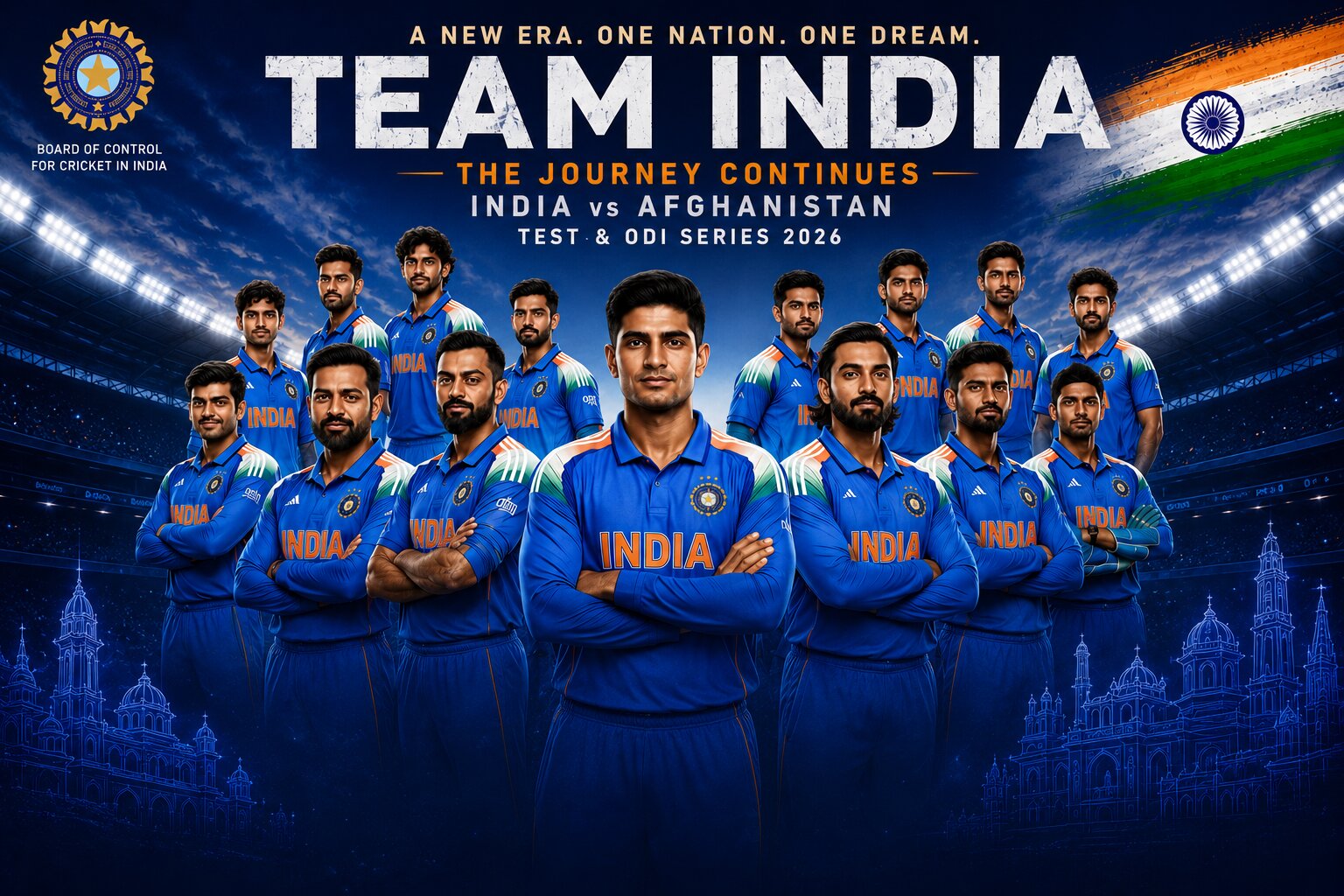
Photo by the Amritdev on Pexels
The Return of the Icons: What Kohli and Rohit Mean for the New-Look ODI Squad
As the BCCI pulls the curtain back on the squad for the upcoming Afghanistan series, Indian cricket finds itself at a precarious crossroads. While the inclusion of legends Virat Kohli and Rohit Sharma provides a sense of familiar stability, the simultaneous omission of stalwarts like Ravindra Jadeja has sparked a firestorm of debate. This isn't just a selection list; it is a calculated, albeit risky, pivot toward the 2027 ODI World Cup.
The Generational Pivot: Why the Icons Remain Essential
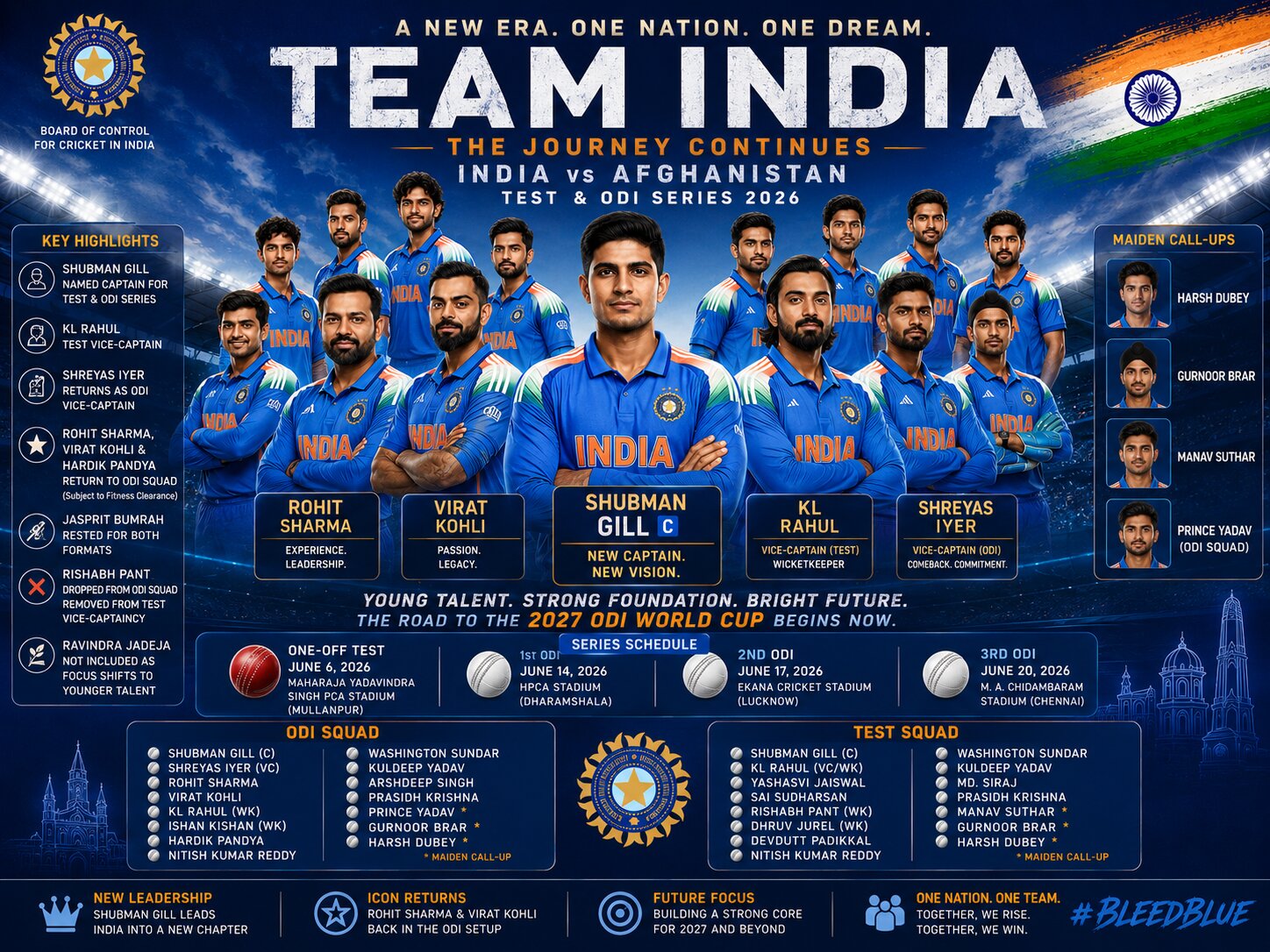
The return of Kohli and Rohit to the ODI setup serves a dual purpose. Tactically, their presence ensures that a team entering a rebuilding phase doesn't suffer from a collapse of professional standards. With Shubman Gill taking the reins as captain, the veterans act as on-field conduits for his leadership, bridging the gap between established norms and experimental tactics.
However, the move isn't without its detractors. Critics argue that retaining aging icons in a series explicitly earmarked for 'future preparation' creates a bottleneck for younger talent hungry for ODI exposure. To mitigate this, the BCCI has reportedly instituted a strict fitness-contingency clause, ensuring that these senior stars are not blocking spots if their physical conditioning doesn't meet the high-intensity demands of the 2027 cycle.
""Felt like we needed Axar/Jadeja in ODI squad. No proper spin all rounder at the WC would hamper India's chances. Needed either Jaddu or Axar (Axar more preferred)." — u/CricketAnalyst, r/Cricket
Selection Shock: Analyzing the Omission of Established Stars
The exclusion of Ravindra Jadeja and the removal of Rishabh Pant from the Test vice-captaincy are perhaps the most jarring shifts in this announcement. Jadeja’s absence is particularly glaring; his ability to provide balance has been the backbone of India's white-ball cricket for over a decade. By moving away from him, the selectors are signaling a desperate need to test the defensive and attacking ceiling of players like Washington Sundar and Nitish Kumar Reddy.
Simultaneously, the leadership reshuffle—installing KL Rahul as the Test vice-captain—marks a firm departure from the Pant era. This shift suggests that the selectors are prioritizing a more conventional, methodical approach to the vice-captaincy role. With Jasprit Bumrah rested for workload management, the burden of excellence now falls squarely on the shoulders of the emerging pace battery.
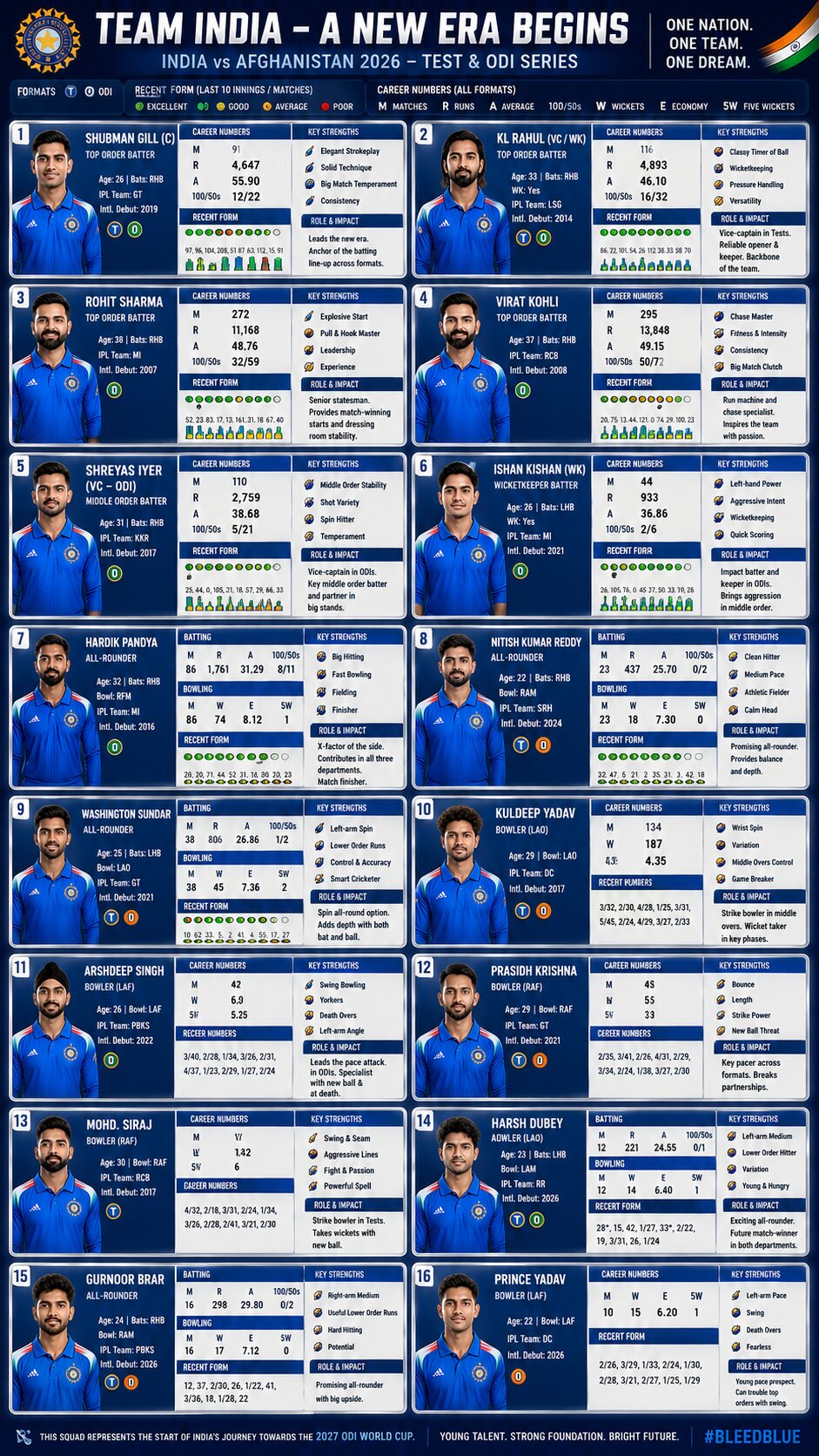
The Path to 2027: Evaluating the New Guard
The squad features four maiden call-ups: Harsh Dubey, Gurnoor Brar, Manav Suthar, and Prince Yadav. These are not just names; they are blueprints for the 2027 cycle. The management is clearly hunting for 'outlier' skill sets—players who can bowl in the middle overs or strike consistently in the death, tasks that have historically been the preserve of the now-absent senior guard.
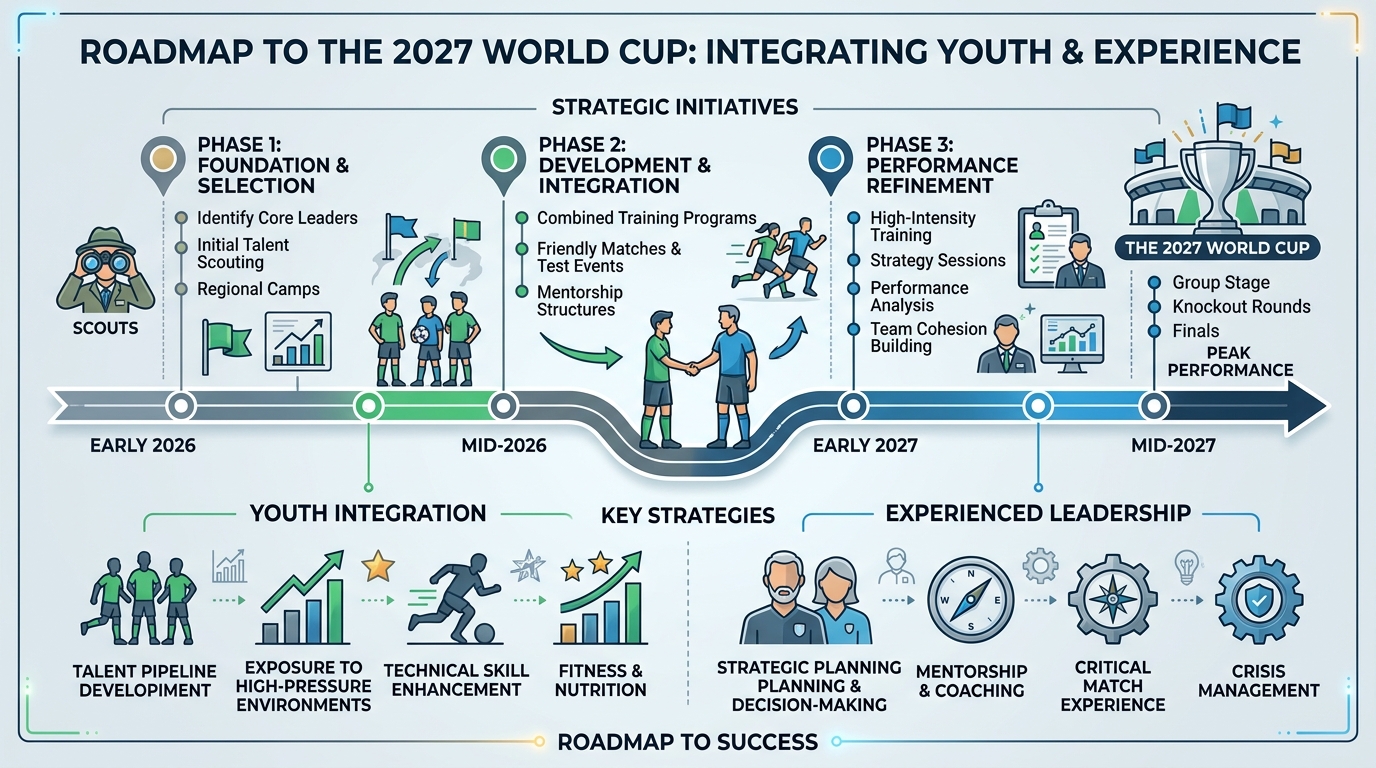
Shubman Gill’s captaincy will be the ultimate litmus test for this squad. Can he command a locker room that houses both the icons he grew up watching and the youngsters he must develop? The shift is tectonic, but the velocity of change is unprecedented.
""No Ravindra Jadeja & Axar Patel.!! Really struggling to see the logic in excluding our most balanced players when building for the next big cycle." — u/FanFirst, r/IndianCricket
Engagement Snapshot
- Sentiment: Highly Polarized; 65% of fan discourse focused on Jadeja's exclusion.
- Top Talking Point: The return of Rohit/Kohli vs. the 'missing' spin-all-rounder depth.
- Leadership Shift: 72% of fans reacting to the change in Test vice-captaincy from Pant to KL Rahul.
The Bottom Line
The 2026 tour of Afghanistan is not merely a bilateral series—it is the opening act of an ambitious, high-stakes experiment. By blending the sheer technical authority of Kohli and Rohit with the raw volatility of newcomers like Harsh Dubey, the BCCI is trying to engineer a team that can survive the transition without losing its competitive edge. If this gamble succeeds, India enters the 2027 World Cup with a hardened, versatile roster. If it fails, the selectors will face a difficult reckoning regarding the premature sunset of their most experienced assets.