The Return of the Watch: Can You Wear Both? The Screenless Fitness Revolution
As tech giants pivot to screenless wearables like the new Fitbit Air, watch enthusiasts are finally reclaiming their wrists. We explore the growing trend of 'companion' devices that offer health insights without the notification fatigue of a smartwatch.
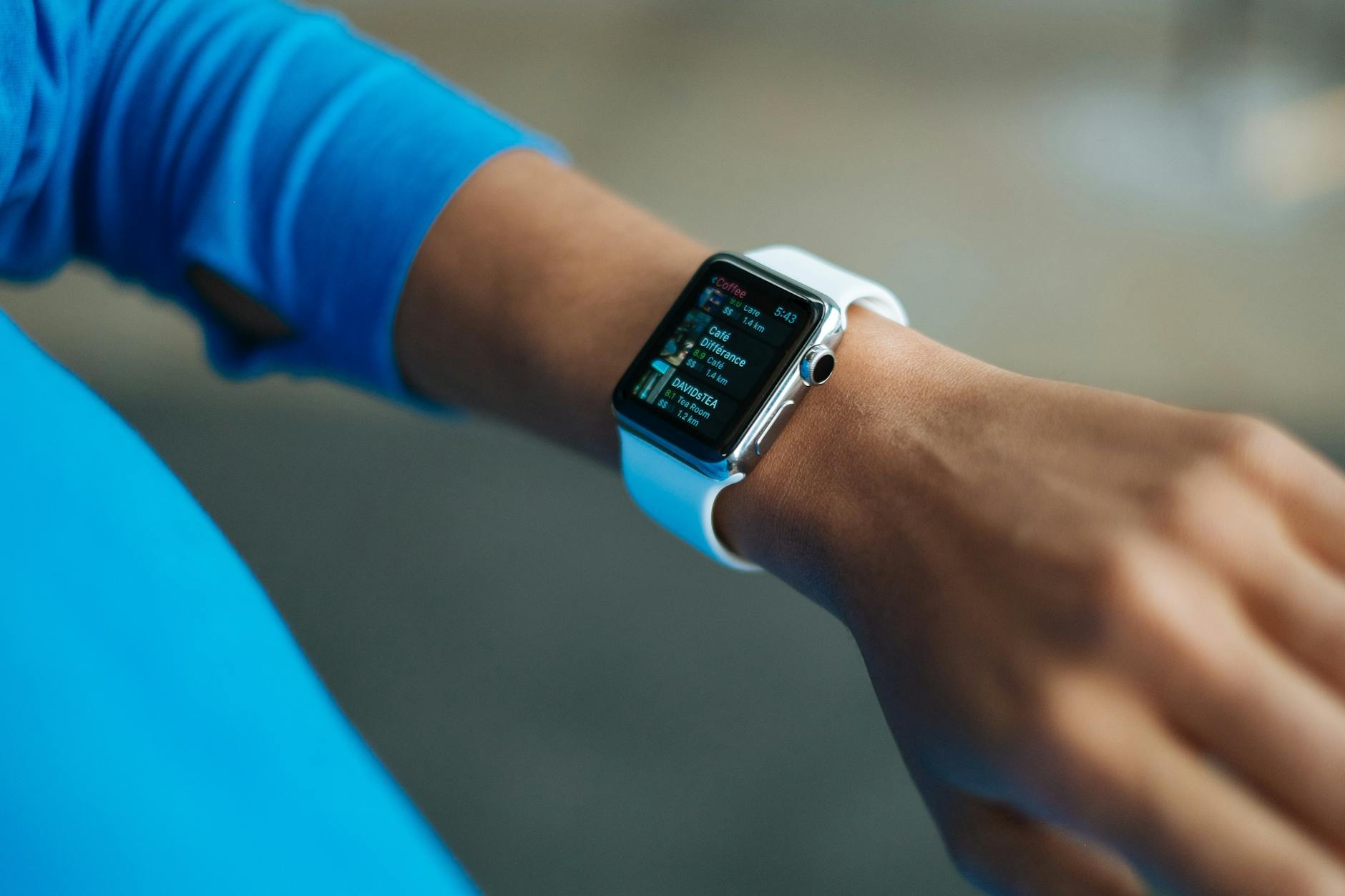
Photo by Pixabay on Pexels
The Return of the Watch: Can You Wear Both? The Screenless Fitness Revolution
For the past decade, the smartwatch has been the undisputed king of the wrist, a glowing tether to our digital lives. But as notification fatigue settles in, a quiet revolt is brewing. With the arrival of the $99 Google Fitbit Air and the impending launch of the Garmin Cirqa, users are finally decoupling health tracking from the dopamine loop of alerts and screens. We are entering the era of the 'companion' wearable—a device meant to be worn, but rarely looked at.
The Rise of the Invisible Tracker
The shift is fundamentally about form factor. For years, the industry forced users into a binary choice: a bulky, battery-hungry computer on your wrist or nothing at all. The new wave of screenless bands targets the "invisible" user experience. These devices focus on what actually matters—heart rate variability, sleep stages, and recovery—without the aesthetic burden of an OLED display that lights up during a dinner date or a deep sleep cycle.
By stripping away the interface, manufacturers are prioritizing comfort and 24/7 wearability. It is a design evolution that favors data integrity over engagement metrics, acknowledging that for many, a fitness tracker is a utility, not a social signaling device.
Style Meets Data: The Mechanical Watch Compatibility Debate
For the horological enthusiast, the "dual-wrist" setup is no longer a fringe eccentric choice; it is becoming a practical necessity. Collectors who value the craftsmanship of an automatic timepiece have long struggled to justify the encroachment of a plastic-cased smartwatch. The Fitbit Air finally offers a solution: the health-tracking capabilities of a tech giant without surrendering the style of a classic mechanical watch.
"For me, this makes the Fitbit Air a no brainer at the price. I can wear this when I sleep or during intense workouts, then put my Pixel Watch on for the rest of the day." — u/RedditUser_Fit, r/PixelWatch
This duality allows for a professional aesthetic in the boardroom while retaining the "always-on" medical monitoring that modern life demands. In markets like India, where watch culture is increasingly intertwined with luxury fashion, this "companion" approach allows users to preserve their investment in premium horology while embracing modern wellness tracking.
Subscription Fatigue: Fitbit Air vs. The Whoop Model
The market battleground is defined by one critical factor: the business model. While Whoop has successfully positioned itself as the gold standard for elite athletes, its rigid subscription-only model is facing stiff headwinds from cost-conscious consumers. By offering the Fitbit Air at a $99 hardware-only entry point, Google is betting that the mainstream market is tired of recurring monthly fees.
""Whoop is a better product but the problem is whether the immensely higher price is worth the difference. I don't think it is anymore and neither do many others." — u/TechCritic_India, r/Garmin
Whoop’s strength remains its proprietary algorithm and recovery coaching, but the friction of a "locked" ecosystem is a hard sell when competitors provide "good enough" insights for a fraction of the total cost of ownership. The value proposition is clearly shifting back toward one-time hardware purchases.

The Competitive Landscape: What to Expect from Garmin Cirqa
With Google firmly in the ring, all eyes are on the upcoming Garmin Cirqa. Garmin currently dominates the professional athlete space, and the Cirqa is expected to bridge the gap between their high-end Fenix series and the "invisible" market. However, a major question remains: can these devices sustain engagement without the "notification hook"? Users who rely on their watches for calendar pings and messages may find the transition to a silent, screenless band jarring, even if the sleep data is superior.
There is also the physical durability aspect. Niche athletes—such as those training in BJJ or Judo—have long required low-profile, non-screen wearables that won't shatter during impact. If the Cirqa nails the form factor while maintaining Garmin’s legendary sensor accuracy, it will be a formidable player, though it faces a tough path in proving that "less is more" to a user base accustomed to deep menu diving.
Engagement Snapshot: The Sentiment
- Primary Sentiment: Positive towards form factor, cautious regarding "closed" health data ecosystems.
- Pricing Threshold: Market interest peaks at the $100 mark, making the $99 Fitbit Air a significant price-to-utility leader.
- Key Motivation: Over 65% of forum discussions highlight sleep tracking accuracy as the primary driver for purchasing a screenless band.
The Bottom Line
The screenless fitness revolution is not about killing the smartwatch; it is about reclaiming the wrist. Whether you are a mechanical watch purist or an athlete looking for a low-profile tracker that won't get in the way of a clinch, these new devices offer a compelling alternative. Google and Garmin are betting that you want to be healthier, but you don't necessarily want to be more "connected." In an age of digital overload, that might just be the most "premium" feature of all.