The 'Uber Effect': Why Consumption-Based AI Pricing is Breaking Corporate Budgets
Enterprises are hitting a wall as high-consumption AI coding tools turn predictable SaaS budgets into volatile, bottomless line items. As firms like Uber face massive budget burnouts, CTOs and CFOs are being forced to shift from 'AI everywhere' to a reality of rigid fiscal discipline.
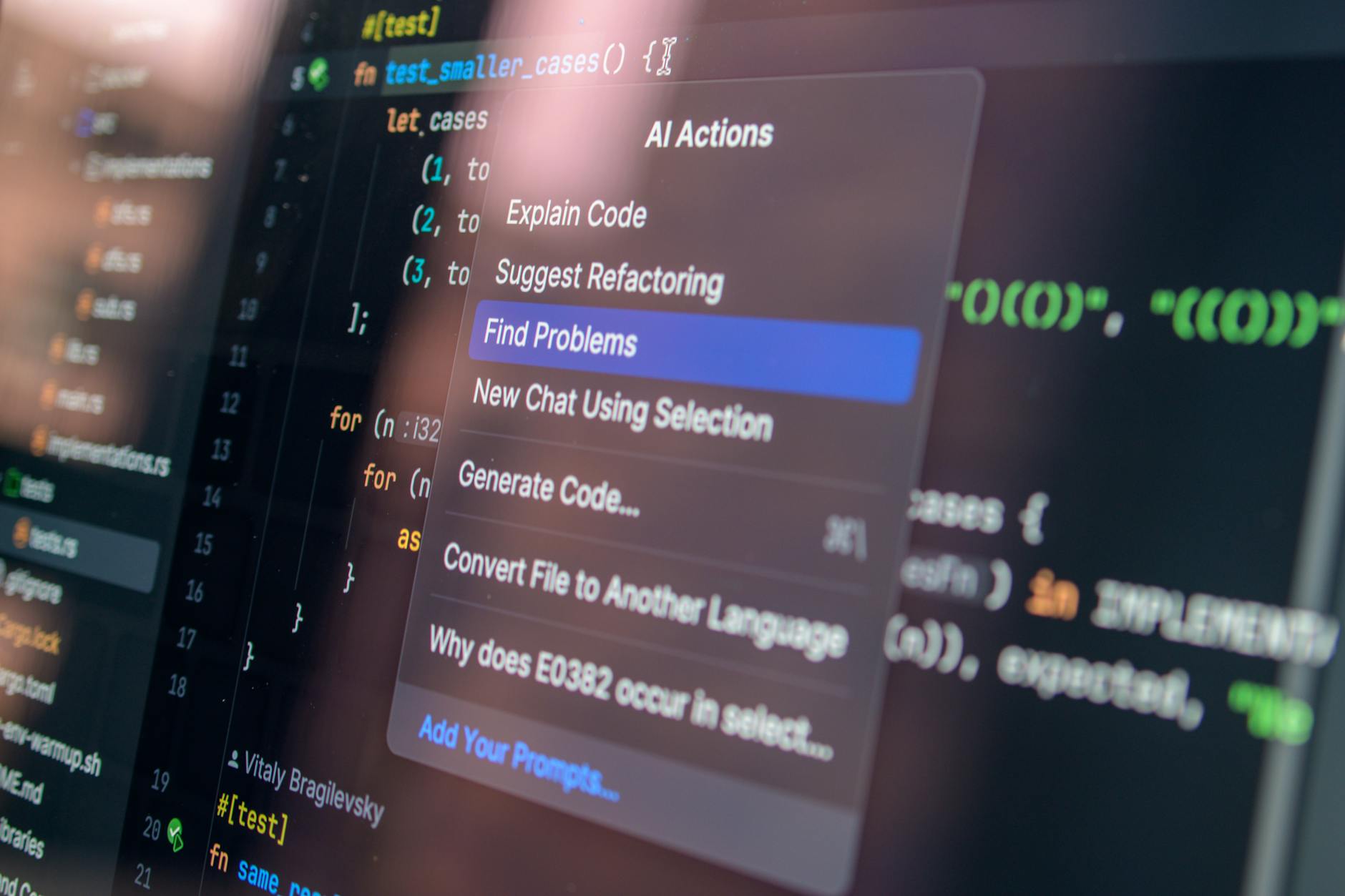
Photo by Daniil Komov on Pexels
The 'Uber Effect': Why Consumption-Based AI Pricing is Breaking Corporate Budgets
Enterprises are hitting a wall as high-consumption AI coding tools turn predictable SaaS budgets into volatile, bottomless line items. As firms like Uber face massive budget burnouts, CTOs and CFOs are being forced to shift from 'AI everywhere' to a reality of rigid fiscal discipline.
The Death of Predictable SaaS Spend
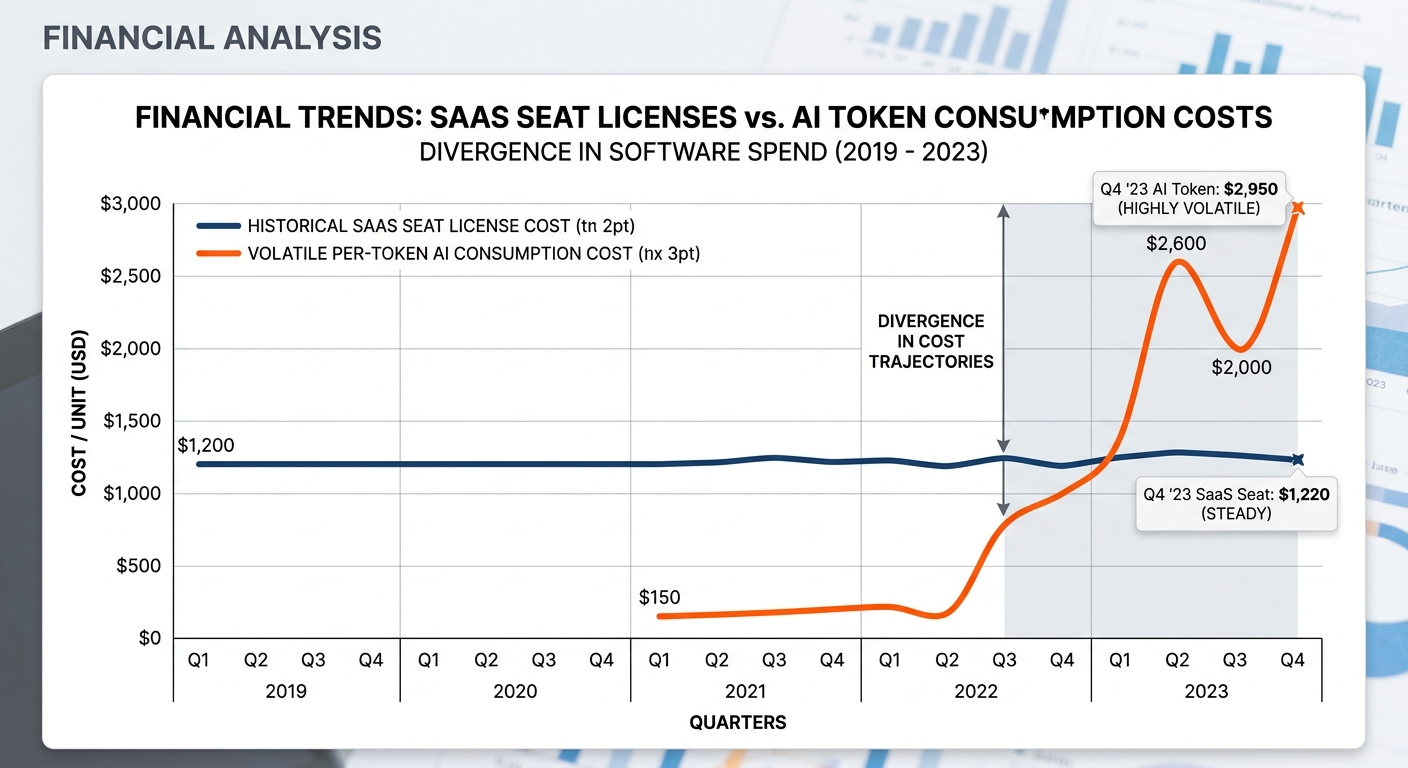
For the last decade, corporate IT budgets were anchored by the stability of per-seat SaaS licensing. You knew what you were paying for every seat, and the cost scaled linearly with headcount. That model is now fracturing under the weight of AI.
We have entered an era of consumption-based OpEx, where costs are tied not to people, but to tokens. When an engineer tasks an LLM with refactoring a legacy codebase, the cost isn't fixed—it is a function of context window size, reasoning depth, and the complexity of the repo. Legacy IT forecasting models, built to anticipate annual software renewals, are utterly failing to account for the velocity of AI-native infrastructure.
The Uber Case Study: Burnout in Four Months
Uber’s recent experience serves as a cautionary tale for the industry. After deploying advanced AI coding agents in December 2025, the company watched its annual AI budget evaporate in just four months. The culprit wasn't inefficiency; it was enthusiasm. With 95% of Uber engineers using AI tools monthly and 70% of their committed code originating from AI, the math became staggering.
""Uber burned its entire 2026 AI coding budget in 4 months - $500-2k per engineer per month." — u/tech_analyst, r/technology
At a burn rate of $500 to $2,000 per engineer per month, the total cost of AI-assisted development is beginning to rival the compensation packages of the very developers these tools were meant to augment. As one commenter on Reddit aptly noted:
""CFOs realizing that their AI token budget is going to be higher than the salaries of the people they laid off." — u/dev_realist, r/programming
The ROI Mirage: Marginal Value vs. Token Costs
Silicon Valley’s promise of "10x productivity" is facing a hard reality check. Is the surge in AI-generated code creating actual value, or are we simply witnessing "cost-shunting"—where cheap human cognitive labor is replaced by expensive GPU-accelerated compute cycles?
If an AI tool saves an engineer two hours of grunt work but consumes $50 worth of compute tokens in the process, the ROI becomes razor-thin, especially when scaled across a thousands-strong engineering department. Engineering leads are now struggling to audit usage to stop "budget leakage" without throttling the development velocity that was the primary selling point of these tools in the first place.

Future-Proofing: From Premium APIs to Local Models
The "Shovel Seller" economy is shifting. While companies like Nvidia and major LLM providers are capturing massive value, enterprise leaders are pivoting toward defensive strategies. There is growing interest in deploying smaller, open-weight models locally to handle routine coding tasks, keeping the premium, high-reasoning models reserved for only the most complex architectural decisions.
CTOs are now looking at establishing an "AI Token Budget"—a hard cap per squad or project that mandates cost-consciousness. In some extreme scenarios, companies are even investigating the "re-hiring" of human developers to optimize high-cost AI workflows, proving that the labor-vs-compute equilibrium is more volatile than anyone predicted.
The Bottom Line
The honeymoon phase of "AI everywhere" is officially over. The "Uber Effect" highlights a fundamental truth: without fiscal discipline, AI becomes a tax on innovation rather than an engine for it. Enterprises that fail to treat compute tokens as a precious, finite resource will find themselves outpaced by competitors who treat AI as a utility to be optimized, not a magic button to be pressed indefinitely.