Listen to this article in summarized format
×
Subscribe to 
Unlock AI Briefing and Premium Content
New Year Offer 24 Hours Left
Subscribe NowAlready a member? Sign In
What's Included
- Exclusive Stories
- Daily ePaper Access
- Smart Market Tools
- Curated Investment Ideas
- Ad-lite Experience
Subscription

 Agencies
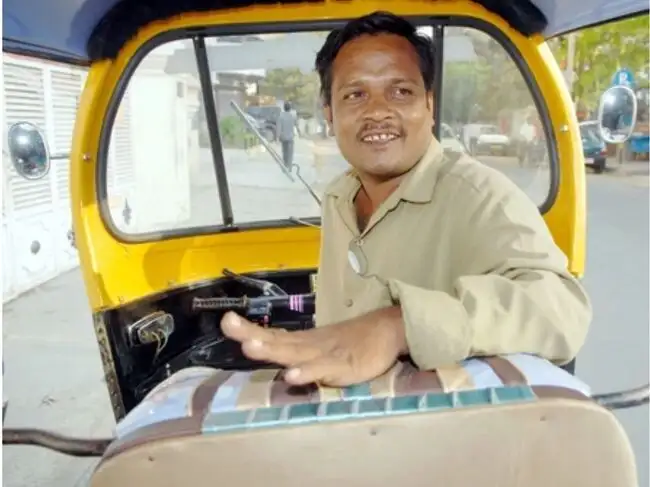
He was just 12, he was the lead in an Oscar-nominated film. Today, Shafiq Syed is far away from the glitz and glamour of showbiz. The National Award winning actor is now an auto rickshaw driver, barely making ends meet.
Born and raised in the slums of Bengaluru, Shafiq was 11, when he ran away to Mumbai with his friends to catch a glimpse of Bollywood.
Syed's early years in Mumbai were marked by hardship and uncertainty. As a young boy, he spent his days and nights living on the footpaths near Churchgate railway station, where he watched the city's constant movement and energy unfold around him. Surrounded by the relentless pace of India's financial capital, he learned to survive while dreaming of a better future.
Speaking to The Telegraph, Syed recalled a chance encounter that unexpectedly transformed his life. One day, a woman approached him with an unusual offer. She promised the children a daily payment of Rs 20 along with a free lunch if they agreed to attend an acting workshop. Although the other boys accompanying him became suspicious and fled, fearing they were being lured into a scam, Syed decided to take the opportunity. With little to lose, he chose to trust the stranger, a decision that would eventually alter the course of his life.
After attending acting classes for about a month, Syed was selected to portray Krishna, the central character in Salaam Bombay!, the acclaimed film that became one of the earliest Indian movies to present the harsh realities faced by children living on the streets. His character was an energetic and cheerful youngster who earned his livelihood as a tea seller in Mumbai's red-light district while secretly developing feelings for a young sex worker.
The film's international success turned Syed into an overnight sensation. Audiences admired his memorable portrayal of Chaipau, the tea-selling boy associated with the Grant Road tea stall, and the child actor from a Bengaluru slum suddenly found himself in the global spotlight. The recognition brought him opportunities that few could have imagined for someone from such a difficult background.
Following his collaboration with acclaimed filmmaker Mira Nair and her international crew, Syed landed another significant role in Patang (1994), directed by Goutam Ghose. However, the momentum proved short-lived. Reflecting on that phase during his conversation with The Telegraph, he said that after those projects ended, life simply returned to the way it had been before he had boarded a train to Mumbai in search of opportunity. While he did bag a National Award for Best Child Actor, in 1989, Bollywood remained a distant dream.
“That was it. My life just returned to where I left it when I took that train to Bombay,” he told The Telegraph.
Syed eventually went back to Bengaluru in 1993, where survival once again became his priority. Over the years, he accepted a variety of jobs to make ends meet. He worked as an auto-rickshaw driver, earning around Rs 150 a day, and also found employment as a lighting assistant on film sets, where an eight-hour shift typically brought him between Rs 200 and Rs 300.
His story resurfaced in 2009 following the worldwide acclaim of Slumdog Millionaire, another film centred on children from disadvantaged backgrounds. At the time, The Times of India found Syed driving an auto-rickshaw in Bengaluru and published an interview highlighting the dramatic contrast between his brief spell of fame and his everyday reality. By May 2012, he had moved into television production, working behind the scenes as an assistant for companies producing Kannada television serials, continuing to earn a living far removed from the cinematic success that had once placed him in the international limelight.
Today, Syed lives in Bengaluru. He is a father of four kids.
Born and raised in the slums of Bengaluru, Shafiq was 11, when he ran away to Mumbai with his friends to catch a glimpse of Bollywood.
Syed's early years in Mumbai were marked by hardship and uncertainty. As a young boy, he spent his days and nights living on the footpaths near Churchgate railway station, where he watched the city's constant movement and energy unfold around him. Surrounded by the relentless pace of India's financial capital, he learned to survive while dreaming of a better future.
Speaking to The Telegraph, Syed recalled a chance encounter that unexpectedly transformed his life. One day, a woman approached him with an unusual offer. She promised the children a daily payment of Rs 20 along with a free lunch if they agreed to attend an acting workshop. Although the other boys accompanying him became suspicious and fled, fearing they were being lured into a scam, Syed decided to take the opportunity. With little to lose, he chose to trust the stranger, a decision that would eventually alter the course of his life.
After attending acting classes for about a month, Syed was selected to portray Krishna, the central character in Salaam Bombay!, the acclaimed film that became one of the earliest Indian movies to present the harsh realities faced by children living on the streets. His character was an energetic and cheerful youngster who earned his livelihood as a tea seller in Mumbai's red-light district while secretly developing feelings for a young sex worker.
The film's international success turned Syed into an overnight sensation. Audiences admired his memorable portrayal of Chaipau, the tea-selling boy associated with the Grant Road tea stall, and the child actor from a Bengaluru slum suddenly found himself in the global spotlight. The recognition brought him opportunities that few could have imagined for someone from such a difficult background.
Following his collaboration with acclaimed filmmaker Mira Nair and her international crew, Syed landed another significant role in Patang (1994), directed by Goutam Ghose. However, the momentum proved short-lived. Reflecting on that phase during his conversation with The Telegraph, he said that after those projects ended, life simply returned to the way it had been before he had boarded a train to Mumbai in search of opportunity. While he did bag a National Award for Best Child Actor, in 1989, Bollywood remained a distant dream.
“That was it. My life just returned to where I left it when I took that train to Bombay,” he told The Telegraph.
Syed eventually went back to Bengaluru in 1993, where survival once again became his priority. Over the years, he accepted a variety of jobs to make ends meet. He worked as an auto-rickshaw driver, earning around Rs 150 a day, and also found employment as a lighting assistant on film sets, where an eight-hour shift typically brought him between Rs 200 and Rs 300.
His story resurfaced in 2009 following the worldwide acclaim of Slumdog Millionaire, another film centred on children from disadvantaged backgrounds. At the time, The Times of India found Syed driving an auto-rickshaw in Bengaluru and published an interview highlighting the dramatic contrast between his brief spell of fame and his everyday reality. By May 2012, he had moved into television production, working behind the scenes as an assistant for companies producing Kannada television serials, continuing to earn a living far removed from the cinematic success that had once placed him in the international limelight.
Today, Syed lives in Bengaluru. He is a father of four kids.
Add  as a Reliable and Trusted News Source
as a Reliable and Trusted News Source Add Now!
 (Catch all the Business News, Breaking News, and Latest News Updates on The Economic Times.)
Subscribe to The Economic Times Prime and read the ET ePaper online.
Read More News on
(Catch all the Business News, Breaking News, and Latest News Updates on The Economic Times.)
Subscribe to The Economic Times Prime and read the ET ePaper online.