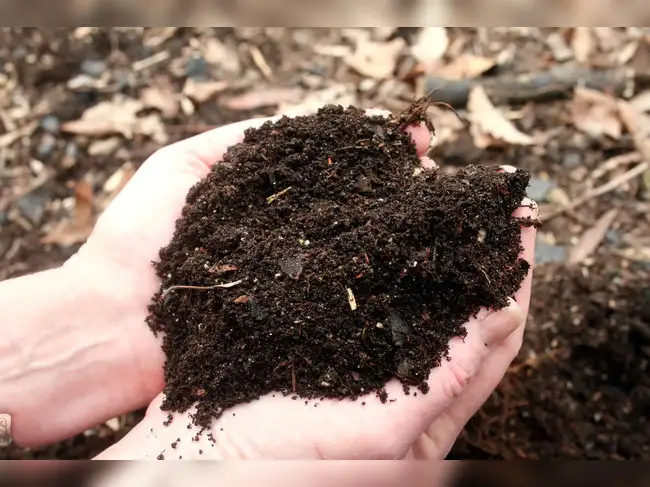
 AP
APKeeping a garden healthy isn't always easy. Even with regular watering and care, plants can begin to lose their color, stop growing, or develop weak leaves over time. One of the biggest reasons is that soil gradually loses its balance, making it harder for roots to absorb the nutrients plants need.
Fortunately, you may not need expensive fertilizers or chemical treatments to give your plants a boost. According to gardening experts, one simple kitchen ingredient—baking soda—can offer several benefits when used correctly around potted plants and flowerbeds.
Here's why this everyday white powder has become a favorite natural gardening hack.
ALSO READ: Cornell student Austin Franco says university took no action after he rejected Jewish boss, claims controversy left him with $25,000 in donations
Its ability to help reduce fungal growth, freshen soil, and support a healthier growing environment has made it a popular low-cost gardening solution. While it isn't a replacement for proper plant nutrition, it can play a helpful role as part of regular garden maintenance.
ALSO READ: Canva billionaires Melanie Perkins and Cliff Obrecht are giving away $150 million in cash with no conditions for the world's largest unconditional cash transfer program in a low-income country
A light application of baking soda may help reduce excess acidity in certain situations, creating a more balanced environment for plant growth. Healthier soil conditions can encourage stronger roots and support overall plant development.
Experts recommend using baking soda sparingly, as excessive amounts can raise soil pH too much and may not be suitable for acid-loving plants.
One reason gardeners use baking soda is because it may help create conditions that are less favorable for fungal growth. When used as part of preventive care, it can help protect foliage and keep leaves looking healthier.
Although baking soda can help manage certain fungal issues, severe plant diseases may still require additional treatment.
Many home gardeners sprinkle small amounts of baking soda around plants to create a natural barrier that discourages certain pests. Because it is a non-toxic household ingredient, it is often preferred over harsh chemical pesticides for routine garden care.
While baking soda may help deter some insects, it should be combined with other good gardening practices for the best results.
Baking soda is well known for its odor-absorbing properties. Applying it around affected areas can help reduce unwanted smells, leaving patios, balconies, and garden spaces feeling fresher.
This simple trick can be especially useful for potted plants where moisture tends to remain trapped for longer periods.
For gardeners looking to reduce their use of synthetic chemicals, baking soda offers a simple alternative that may support healthier plants while creating a safer outdoor environment for families, pets, and beneficial wildlife.
However, moderation is important. Baking soda should be used carefully and only where appropriate, as too much can affect soil chemistry and harm sensitive plants.
While it isn't a miracle cure for every plant problem, combining baking soda with good gardening practices can help keep your potted plants and garden beds looking greener, healthier, and more vibrant throughout the growing season.
(You can now subscribe to our Economic Times WhatsApp channel)
Fortunately, you may not need expensive fertilizers or chemical treatments to give your plants a boost. According to gardening experts, one simple kitchen ingredient—baking soda—can offer several benefits when used correctly around potted plants and flowerbeds.
Here's why this everyday white powder has become a favorite natural gardening hack.
ALSO READ: Cornell student Austin Franco says university took no action after he rejected Jewish boss, claims controversy left him with $25,000 in donations
Why baking soda is gaining popularity among gardeners
Baking soda, also known as sodium bicarbonate, is widely used in cooking and household cleaning. However, it also has properties that can be useful in the garden.Its ability to help reduce fungal growth, freshen soil, and support a healthier growing environment has made it a popular low-cost gardening solution. While it isn't a replacement for proper plant nutrition, it can play a helpful role as part of regular garden maintenance.

ALSO READ: Canva billionaires Melanie Perkins and Cliff Obrecht are giving away $150 million in cash with no conditions for the world's largest unconditional cash transfer program in a low-income country
Can baking soda improve soil quality?
One of the biggest challenges gardeners face is poor soil balance. In some cases, soil can become too acidic, making it difficult for plant roots to absorb important nutrients.A light application of baking soda may help reduce excess acidity in certain situations, creating a more balanced environment for plant growth. Healthier soil conditions can encourage stronger roots and support overall plant development.
Experts recommend using baking soda sparingly, as excessive amounts can raise soil pH too much and may not be suitable for acid-loving plants.
A natural way to help prevent fungal problems
Humidity is one of the main reasons fungal diseases spread in gardens. Powdery mildew and other fungal infections often appear on leaves, stems, and branches, weakening plants over time.One reason gardeners use baking soda is because it may help create conditions that are less favorable for fungal growth. When used as part of preventive care, it can help protect foliage and keep leaves looking healthier.
Although baking soda can help manage certain fungal issues, severe plant diseases may still require additional treatment.
How baking soda may help keep garden pests away
Insects can quickly damage flowers, vegetables, and ornamental plants by feeding on young shoots and tender leaves.Many home gardeners sprinkle small amounts of baking soda around plants to create a natural barrier that discourages certain pests. Because it is a non-toxic household ingredient, it is often preferred over harsh chemical pesticides for routine garden care.
While baking soda may help deter some insects, it should be combined with other good gardening practices for the best results.
An easy trick for reducing unpleasant garden odors
Sometimes garden soil develops unpleasant smells because of standing water, excessive moisture, or decomposing organic matter.Baking soda is well known for its odor-absorbing properties. Applying it around affected areas can help reduce unwanted smells, leaving patios, balconies, and garden spaces feeling fresher.
This simple trick can be especially useful for potted plants where moisture tends to remain trapped for longer periods.
A budget-friendly alternative to harsh chemicals
One of the biggest advantages of baking soda is that it's inexpensive, widely available, and already found in most kitchens.For gardeners looking to reduce their use of synthetic chemicals, baking soda offers a simple alternative that may support healthier plants while creating a safer outdoor environment for families, pets, and beneficial wildlife.
However, moderation is important. Baking soda should be used carefully and only where appropriate, as too much can affect soil chemistry and harm sensitive plants.
How to use baking soda safely in the garden
If you decide to try this gardening hack, keep these simple tips in mind:- Use only a light sprinkle around the soil or follow a diluted spray recipe recommended by gardening experts.
- Avoid repeated heavy applications that may increase soil alkalinity.
- Test it on a small area before treating multiple plants.
- Do not use it regularly on plants that prefer acidic soil, such as azaleas, blueberries, camellias, or rhododendrons.
- Continue providing proper watering, sunlight, compost, and plant nutrition for the best long-term results.
While it isn't a miracle cure for every plant problem, combining baking soda with good gardening practices can help keep your potted plants and garden beds looking greener, healthier, and more vibrant throughout the growing season.
Add  as a Reliable and Trusted News Source
as a Reliable and Trusted News Source Add Now!
 (You can now subscribe to our Economic Times WhatsApp channel)