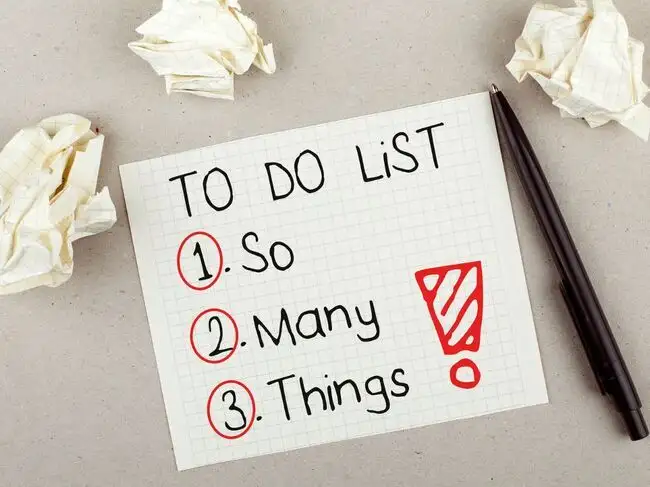
Most people begin the day by writing down everything they need to finish. The idea is simple: stay organised and get more done. But for many, that list keeps growing instead of shrinking. By the end of the day, unfinished work often feels heavier than completed tasks. Today's Emotional Intelligence Tip of the Day suggests taking a different approach. Instead of focusing only on tasks, start by deciding how you want to show up during the day.
Experts say emotional intelligence is not just about understanding emotions. It is also about using that awareness to make better decisions, manage stress, and build stronger relationships. One simple practice that can help is setting an intention before diving into work.
Instead of immediately listing every task, experts recommend asking yourself one question at the start of the day: "What intention do I have for today?"
The idea is not to ignore responsibilities. Rather, it is about deciding what quality you want to bring into the day based on what lies ahead. If your schedule is packed with meetings, your intention might be, "I need to provide clarity." On a stressful day, it could be, "I need to remain calm." If teamwork is your priority, it might be, "I need to build understanding today." Other days may simply call for, "I need to be light-hearted."
Once the intention is clear, daily actions naturally begin to align with it.
A 2014 NBC report, citing productivity startup iDoneThis, found that 41% of to-do list items are never completed. Those unfinished tasks can trigger what's known as the Zeigarnik Effect, a psychological phenomenon where the brain continues to dwell on incomplete work. That mental loop can increase stress and make people feel mentally exhausted, even after a productive day.
The broader message is that while people cannot always control difficult situations or demanding workdays, they can influence how they respond to them. Starting the morning with a clear intention instead of an endless checklist may be a small shift, but it can help bring greater focus, resilience, and a calmer mindset throughout the day.
Experts say emotional intelligence is not just about understanding emotions. It is also about using that awareness to make better decisions, manage stress, and build stronger relationships. One simple practice that can help is setting an intention before diving into work.
Emotional Intelligence Tip of the Day: Why intention matters more than a to-do list
According to psychologists Peter Salovey and John D. Mayer, emotional intelligence involves recognising emotions, understanding them, and managing them to achieve meaningful goals. Psychologist and author Daniel Goleman further explains it through qualities such as self-awareness, self-management, empathy, and relationship skills.Instead of immediately listing every task, experts recommend asking yourself one question at the start of the day: "What intention do I have for today?"
The idea is not to ignore responsibilities. Rather, it is about deciding what quality you want to bring into the day based on what lies ahead. If your schedule is packed with meetings, your intention might be, "I need to provide clarity." On a stressful day, it could be, "I need to remain calm." If teamwork is your priority, it might be, "I need to build understanding today." Other days may simply call for, "I need to be light-hearted."
Once the intention is clear, daily actions naturally begin to align with it.
Why long to-do lists can sometimes work against you
The advice also comes as research continues to highlight the downside of relying only on task lists. Many people experience what has been called the "to-do list paradox." Lists are meant to create control, but they often leave people feeling overwhelmed when unfinished work piles up.A 2014 NBC report, citing productivity startup iDoneThis, found that 41% of to-do list items are never completed. Those unfinished tasks can trigger what's known as the Zeigarnik Effect, a psychological phenomenon where the brain continues to dwell on incomplete work. That mental loop can increase stress and make people feel mentally exhausted, even after a productive day.
Emotional intelligence is built through everyday habits
Experts note that emotional intelligence is not an inborn trait alone. It can be strengthened through consistent habits. Along with clarifying an intention, practices such as checking in with your emotions, pausing before reacting, staying curious instead of making assumptions, practising self-care, apologising when needed, and making genuine connections with others can all help improve emotional awareness.The broader message is that while people cannot always control difficult situations or demanding workdays, they can influence how they respond to them. Starting the morning with a clear intention instead of an endless checklist may be a small shift, but it can help bring greater focus, resilience, and a calmer mindset throughout the day.
Add  as a Reliable and Trusted News Source
as a Reliable and Trusted News Source Add Now!
 (Catch all the Business News, Breaking News, and Latest News Updates on The Economic Times.)
Subscribe to The Economic Times Prime and read the ET ePaper online.
Read More News on
(Catch all the Business News, Breaking News, and Latest News Updates on The Economic Times.)
Subscribe to The Economic Times Prime and read the ET ePaper online.