Listen to this article in summarized format
×
Subscribe to 
Unlock AI Briefing and Premium Content
New Year Offer 24 Hours Left
Subscribe NowAlready a member? Sign In
What's Included
- Exclusive Stories
- Daily ePaper Access
- Smart Market Tools
- Curated Investment Ideas
- Ad-lite Experience
Subscription

 Global Desk
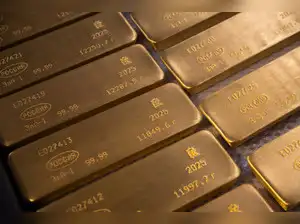
Gold held steady on Friday, but was on track for its biggest weekly loss in six as escalating U.S.-Iran tensions drove energy prices higher, fuelling inflation fears and reinforcing expectations of U.S. interest rate hikes. Spot gold was unchanged at $3,970.35 per ounce, holding near its lowest level since July 1. Prices are down more than 3 per cent so far for the week. U.S. gold futures for August delivery fell 0.5 per cent to $3,973.10.
Gold price has fallen about 25 per cent since the U.S.-backed war with Iran began in late February, pressured by expectations that war-driven inflation could keep interest rates higher for longer. While gold is seen as a hedge against inflation, higher rates typically weigh on the non-yielding metal.
Why is Gold Price Down?
"When prices go down there, there's bound to be some short sellers who take profit," said Fawad Razaqzada, a market analyst at Forex.com. "If oil were to go higher, it will continue to weigh on gold because that will boost inflation expectations, which in turn means that interest rates will be higher and people would be attracted to buying bonds instead," Razaqzada added.
Expectations of higher interest rates dent gold's appeal as it is a non-yielding asset. The U.S. dollar rose for a second straight session, making bullion more expensive for overseas buyers.
"The main drivers of the selloff in gold have been a stronger U.S. dollar and higher global inflation fears, which have sent global interest rates higher," said Chris Gaffney, president of world markets at EverBank.
The U.S. escalated its renewed bombing campaign on Iran, hitting bridges and an airport. Tehran responded with strikes on U.S. bases across the Middle East. Brent crude oil prices were up more than 14 per cent for the week following the attacks.
"Recent data have decreased the probability of a rate hike at the next FOMC meeting, but global interest rates continue to climb and the recent increase in oil prices could drive the Federal Reserve to take a more hawkish stance on U.S. interest rate policy," Gaffney said.
Traders are now pricing in about a 53.3 per cent chance of a U.S. interest rate hike in September, according to the CME FedWatch Tool.
On Thursday, Fed Vice Chair Philip Jefferson suggested he would be open to raising rates if there was no near-term improvement in inflation.
However, "gold's share in private portfolios remains low, and recent geopolitical developments, including Iran and broader tensions, may accelerate diversification beyond central banks to private investors," Goldman Sachs said in a note.
Among other metals, spot silver fell 0.8 per cent to $55.05, platinum dropped 3.3 per cent to $1,563.49, and palladium slipped 1.5 per cent to $1,230.42. All three metals were headed for weekly losses.
(You can now subscribe to our Economic Times WhatsApp channel)
Gold price has fallen about 25 per cent since the U.S.-backed war with Iran began in late February, pressured by expectations that war-driven inflation could keep interest rates higher for longer. While gold is seen as a hedge against inflation, higher rates typically weigh on the non-yielding metal.
Why is Gold Price Down?
"When prices go down there, there's bound to be some short sellers who take profit," said Fawad Razaqzada, a market analyst at Forex.com. "If oil were to go higher, it will continue to weigh on gold because that will boost inflation expectations, which in turn means that interest rates will be higher and people would be attracted to buying bonds instead," Razaqzada added.
Expectations of higher interest rates dent gold's appeal as it is a non-yielding asset. The U.S. dollar rose for a second straight session, making bullion more expensive for overseas buyers.

"The main drivers of the selloff in gold have been a stronger U.S. dollar and higher global inflation fears, which have sent global interest rates higher," said Chris Gaffney, president of world markets at EverBank.
The U.S. escalated its renewed bombing campaign on Iran, hitting bridges and an airport. Tehran responded with strikes on U.S. bases across the Middle East. Brent crude oil prices were up more than 14 per cent for the week following the attacks.
"Recent data have decreased the probability of a rate hike at the next FOMC meeting, but global interest rates continue to climb and the recent increase in oil prices could drive the Federal Reserve to take a more hawkish stance on U.S. interest rate policy," Gaffney said.
Traders are now pricing in about a 53.3 per cent chance of a U.S. interest rate hike in September, according to the CME FedWatch Tool.
On Thursday, Fed Vice Chair Philip Jefferson suggested he would be open to raising rates if there was no near-term improvement in inflation.
However, "gold's share in private portfolios remains low, and recent geopolitical developments, including Iran and broader tensions, may accelerate diversification beyond central banks to private investors," Goldman Sachs said in a note.
Among other metals, spot silver fell 0.8 per cent to $55.05, platinum dropped 3.3 per cent to $1,563.49, and palladium slipped 1.5 per cent to $1,230.42. All three metals were headed for weekly losses.
Add  as a Reliable and Trusted News Source
as a Reliable and Trusted News Source Add Now!
 (You can now subscribe to our Economic Times WhatsApp channel)
(Catch all the US News, UK News, Canada News, International Breaking News Events, and Latest News Updates on The Economic Times.)
Download The Economic Times News App to get Daily International News Updates.
Read More News on
(Catch all the US News, UK News, Canada News, International Breaking News Events, and Latest News Updates on The Economic Times.)
Download The Economic Times News App to get Daily International News Updates.