Listen to this article in summarized format
×
Subscribe to 
Unlock AI Briefing and Premium Content
New Year Offer 24 Hours Left
Subscribe NowAlready a member? Sign In
What's Included
- Exclusive Stories
- Daily ePaper Access
- Smart Market Tools
- Curated Investment Ideas
- Ad-lite Experience
Subscription

 iStock
A young, seemingly healthy guy suddenly dropped dead without warning. What caused his death? Taking to X, Assam based internal medicine expert Dr Priyam Bordoloi dissected his case. He shared that the youth spent his holiday in bed for a 12-hour movie marathon and drinks only Coke. When he stood up to stretch, he suddenly collapsed and died on the spot.
The doctor then went on to explain what caused his death.
Remaining motionless for nearly 12 consecutive hours allowed blood to collect in the veins of his lower limbs instead of circulating efficiently. During that period, he consumed only cola, a beverage that can contribute to dehydration when taken without enough water. The lack of proper hydration reduced the fluid content of his bloodstream, making the pooled blood more concentrated and increasing the likelihood of clot formation.
As time passed, a large clot developed deep inside the veins of his leg, a condition known as deep vein thrombosis (DVT). Initially, the clot remained unnoticed because it often produces few or no obvious symptoms. The life-threatening event occurred the moment he got to his feet. When the muscles in his calf contracted, they compressed the affected vein and forced the clot to detach from its original location.
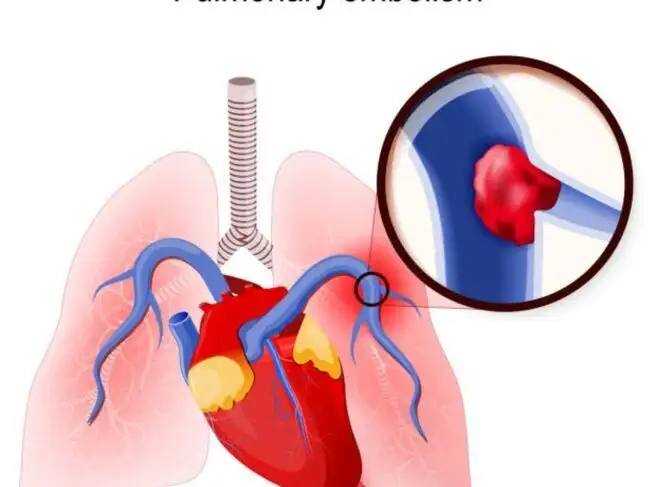
Once released, the clot traveled rapidly through the bloodstream, entered the right side of the heart, and was pumped directly into the pulmonary arteries. It then became lodged inside the blood vessels supplying the lungs, abruptly cutting off normal blood circulation. This blockage prevented adequate oxygen exchange and placed immense strain on the heart, resulting in a medical emergency known as a pulmonary embolism (PE), which had developed as a complication of deep vein thrombosis.
Doctors frequently encounter similar cases in hospitals among people who remain seated for prolonged periods. Such incidents are often associated with long-haul air travel, a phenomenon commonly referred to as Economy Class Syndrome, as well as marathon gaming sessions, sometimes called e-thrombosis. These situations highlight the dangers of extended immobility.
To lower the risk of developing dangerous blood clots, it is essential to avoid remaining seated without movement for many hours. Drinking sufficient water, stretching the legs, and getting up to walk for a few minutes at least every two hours can help maintain healthy blood circulation and significantly reduce the chances of DVT and pulmonary embolism.
What Is Pulmonary Embolism?
According to Mayo Clinic, Pulmonary Embolism is is a blood clot that prevents flow of blood to arteries in the lung. In the majority of cases, a pulmonary embolism develops when a blood clot originates in one of the deep veins of the leg before breaking away and traveling through the bloodstream to the lungs. Although this is the most common pathway, clots can occasionally arise in deep veins located in other areas of the body. The formation of a clot within the body's deep venous system is known as deep vein thrombosis (DVT).
If a clot or multiple clots detach from their original location, they can become lodged in the arteries of the lungs, obstructing normal blood circulation. This blockage limits the delivery of oxygen to the body and forces the heart to work much harder to pump blood through the affected vessels. Since pulmonary embolism can significantly impair lung function and place severe strain on the cardiovascular system, it is considered a serious medical emergency that requires prompt diagnosis and treatment. Without timely medical care, the condition can rapidly become life-threatening and may lead to fatal complications.
Symptoms
Shortness of breath
Chest pain
Fainting
Irregular heartbeat
Excessive sweating
Fever.
The doctor then went on to explain what caused his death.
Remaining motionless for nearly 12 consecutive hours allowed blood to collect in the veins of his lower limbs instead of circulating efficiently. During that period, he consumed only cola, a beverage that can contribute to dehydration when taken without enough water. The lack of proper hydration reduced the fluid content of his bloodstream, making the pooled blood more concentrated and increasing the likelihood of clot formation.
As time passed, a large clot developed deep inside the veins of his leg, a condition known as deep vein thrombosis (DVT). Initially, the clot remained unnoticed because it often produces few or no obvious symptoms. The life-threatening event occurred the moment he got to his feet. When the muscles in his calf contracted, they compressed the affected vein and forced the clot to detach from its original location.
Once released, the clot traveled rapidly through the bloodstream, entered the right side of the heart, and was pumped directly into the pulmonary arteries. It then became lodged inside the blood vessels supplying the lungs, abruptly cutting off normal blood circulation. This blockage prevented adequate oxygen exchange and placed immense strain on the heart, resulting in a medical emergency known as a pulmonary embolism (PE), which had developed as a complication of deep vein thrombosis.
Doctors frequently encounter similar cases in hospitals among people who remain seated for prolonged periods. Such incidents are often associated with long-haul air travel, a phenomenon commonly referred to as Economy Class Syndrome, as well as marathon gaming sessions, sometimes called e-thrombosis. These situations highlight the dangers of extended immobility.
To lower the risk of developing dangerous blood clots, it is essential to avoid remaining seated without movement for many hours. Drinking sufficient water, stretching the legs, and getting up to walk for a few minutes at least every two hours can help maintain healthy blood circulation and significantly reduce the chances of DVT and pulmonary embolism.
What Is Pulmonary Embolism?
According to Mayo Clinic, Pulmonary Embolism is is a blood clot that prevents flow of blood to arteries in the lung. In the majority of cases, a pulmonary embolism develops when a blood clot originates in one of the deep veins of the leg before breaking away and traveling through the bloodstream to the lungs. Although this is the most common pathway, clots can occasionally arise in deep veins located in other areas of the body. The formation of a clot within the body's deep venous system is known as deep vein thrombosis (DVT).If a clot or multiple clots detach from their original location, they can become lodged in the arteries of the lungs, obstructing normal blood circulation. This blockage limits the delivery of oxygen to the body and forces the heart to work much harder to pump blood through the affected vessels. Since pulmonary embolism can significantly impair lung function and place severe strain on the cardiovascular system, it is considered a serious medical emergency that requires prompt diagnosis and treatment. Without timely medical care, the condition can rapidly become life-threatening and may lead to fatal complications.
Symptoms
Shortness of breathChest pain
Fainting
Irregular heartbeat
Excessive sweating
Fever.
Add  as a Reliable and Trusted News Source
as a Reliable and Trusted News Source Add Now!
 (Catch all the Business News, Breaking News, and Latest News Updates on The Economic Times.)
Subscribe to The Economic Times Prime and read the ET ePaper online.
Read More News on
(Catch all the Business News, Breaking News, and Latest News Updates on The Economic Times.)
Subscribe to The Economic Times Prime and read the ET ePaper online.