Listen to this article in summarized format
×
Subscribe to 
Unlock AI Briefing and Premium Content
New Year Offer 24 Hours Left
Subscribe NowAlready a member? Sign In
What's Included
- Exclusive Stories
- Daily ePaper Access
- Smart Market Tools
- Curated Investment Ideas
- Ad-lite Experience
Subscription

 ET Online
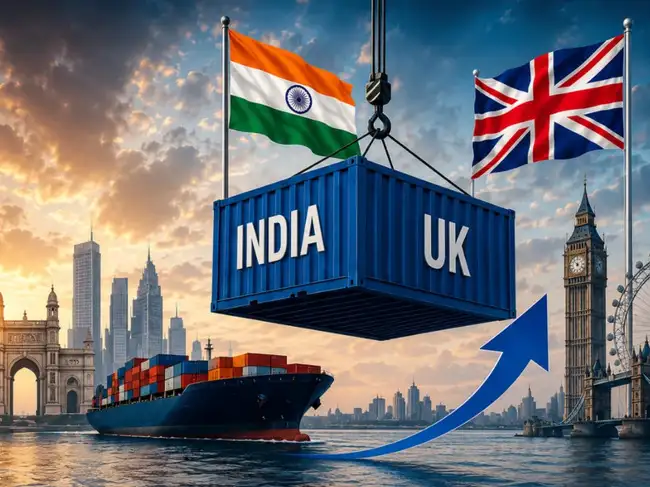
The India-UK Comprehensive Economic and Trade Agreement (CETA), one of New Delhi's most significant free trade pacts in recent years, comes into force on July 15, 2026, opening up duty-free access for nearly 99% of Indian exports to the British market while easing tariffs on several UK goods entering India.
Signed on July 25, 2025, after years of negotiations, the pact is the sixth free trade agreement to be implemented under the Narendra Modi government, following similar agreements with Mauritius, the UAE, Australia, the European Free Trade Association (EFTA) and Oman.
Also Read: Decoding the India-UK CETA: Check what's changing in terms of tariffs, import duty & more
Here's a look at what the agreement means across key sectors.
The agreement also offers improved market access for sectors including automobiles and auto components, machinery, electronics, fabricated metal products, ceramics, glass, stone and cement products.
On the import side, lower duties on British products such as salmon, lamb, chocolates, soft drinks, machinery, electronics, cosmetics, perfumes, soaps, shaving creams and nail polish could reduce retail prices in India over time.
India has also committed to eliminating tariffs on silver, currently its largest import from the UK, over a period of ten years.
Import tariffs on fully built passenger cars will be reduced from 110% to 10% in phases. Petrol and diesel vehicles will receive concessions immediately, while electric, hybrid and hydrogen-powered passenger vehicles will become eligible only from the sixth year, giving domestic EV manufacturers a five-year protection window.
India will allow imports of 378,000 conventional-engine passenger vehicles from the UK at concessional duties over the first 15 years of the agreement.
For trucks, duties on completely built units will decline from 44% to 8.8% within quota limits by the fifth year. The annual quota will rise from 2,500 units in Year 1 to 3,500 units from Year 5, while duties on imports outside the quota will gradually fall to 22% by Year 10.
The UK, meanwhile, has agreed to provide preferential access to Indian-made electric, hybrid and hydrogen passenger vehicles. Eligible exports within an agreed quota will enter the UK duty-free, compared with the standard 10% tariff.
Also Read: India-UK trade pact: CBIC issues guidelines on implementation of self-certification of origin declarations
Tariffs on qualifying products will decline from the current 150% to 110% in the first year, before falling further to 75% by the tenth year. The benefit will apply only to products meeting the prescribed minimum import price.
For Scotch whisky, duties will eventually decline to 40% by the tenth year.
Similarly, the UK has retained protection on products such as certain meat products, egg-based products, semi-milled and fully milled rice, and solid cane or beet sugar.
British companies will be eligible to bid for around 40,000 high-value central government contracts across sectors including transport, green energy and infrastructure.
Suppliers meeting a 20% UK-content threshold may qualify as Class 2 Local Suppliers under the agreement.
The agreement also preserves India's right to issue compulsory licences, an important mechanism that allows access to essential medicines and technologies during emergencies.
The provision is expected to particularly benefit Indian IT services companies such as TCS and Infosys.
The provisions are designed to prevent goods from third countries from being routed through either country after limited processing solely to claim preferential tariff treatment.
India exported around $900 million worth of steel and steel products to the UK in FY2026, accounting for nearly 7% of its total merchandise exports to Britain.
India's exports to the UK declined 7.6% to $13.44 billion, while imports from Britain jumped 36.11% to $11.68 billion during the fiscal year.
Foreign direct investment from the UK into India also increased to $1 billion in 2025-26, compared with $795 million in the previous fiscal year.
(With inputs from PTI)
(You can now subscribe to our Economic Times WhatsApp channel)
Signed on July 25, 2025, after years of negotiations, the pact is the sixth free trade agreement to be implemented under the Narendra Modi government, following similar agreements with Mauritius, the UAE, Australia, the European Free Trade Association (EFTA) and Oman.
Also Read: Decoding the India-UK CETA: Check what's changing in terms of tariffs, import duty & more
Here's a look at what the agreement means across key sectors.
Export boost for labour-intensive sectors
Indian exporters in labour-intensive industries stand to gain the most from the agreement. Products such as garments, textiles, footwear, carpets, processed foods, cereals, fruits, vegetables, spices, fish and meat products will now enter the UK duty-free, replacing tariffs that previously ranged between 4% and 16%.
The agreement also offers improved market access for sectors including automobiles and auto components, machinery, electronics, fabricated metal products, ceramics, glass, stone and cement products.
On the import side, lower duties on British products such as salmon, lamb, chocolates, soft drinks, machinery, electronics, cosmetics, perfumes, soaps, shaving creams and nail polish could reduce retail prices in India over time.
India has also committed to eliminating tariffs on silver, currently its largest import from the UK, over a period of ten years.
Auto sector gets landmark tariff cuts
For the first time under a free trade agreement, India has agreed to substantially reduce customs duties on fully built UK passenger vehicles and trucks.Import tariffs on fully built passenger cars will be reduced from 110% to 10% in phases. Petrol and diesel vehicles will receive concessions immediately, while electric, hybrid and hydrogen-powered passenger vehicles will become eligible only from the sixth year, giving domestic EV manufacturers a five-year protection window.
India will allow imports of 378,000 conventional-engine passenger vehicles from the UK at concessional duties over the first 15 years of the agreement.
For trucks, duties on completely built units will decline from 44% to 8.8% within quota limits by the fifth year. The annual quota will rise from 2,500 units in Year 1 to 3,500 units from Year 5, while duties on imports outside the quota will gradually fall to 22% by Year 10.
The UK, meanwhile, has agreed to provide preferential access to Indian-made electric, hybrid and hydrogen passenger vehicles. Eligible exports within an agreed quota will enter the UK duty-free, compared with the standard 10% tariff.
Tariffs eased on premium alcoholic beverages
The agreement also lowers import duties on premium alcoholic beverages, including Scotch whisky, bourbon, rum, gin, vodka, brandy, tequila, sake, cider, mead and liqueurs.Also Read: India-UK trade pact: CBIC issues guidelines on implementation of self-certification of origin declarations
Tariffs on qualifying products will decline from the current 150% to 110% in the first year, before falling further to 75% by the tenth year. The benefit will apply only to products meeting the prescribed minimum import price.
For Scotch whisky, duties will eventually decline to 40% by the tenth year.
Sensitive products remain protected
India has excluded several sensitive products from tariff concessions, including fresh apples, walnuts, whey, modified whey, blue-veined cheese, selected seed varieties, gold bars and smartphones.Similarly, the UK has retained protection on products such as certain meat products, egg-based products, semi-milled and fully milled rice, and solid cane or beet sugar.
UK firms gain access to government contracts
The agreement opens India's central government procurement market to UK suppliers for the first time.British companies will be eligible to bid for around 40,000 high-value central government contracts across sectors including transport, green energy and infrastructure.
Suppliers meeting a 20% UK-content threshold may qualify as Class 2 Local Suppliers under the agreement.
Intellectual property safeguards retained
According to the Global Trade Research Initiative (GTRI), India resisted demands for patent-term extensions and pharmaceutical data exclusivity, while accepting stronger intellectual property enforcement provisions.The agreement also preserves India's right to issue compulsory licences, an important mechanism that allows access to essential medicines and technologies during emergencies.
Relief for Indian IT companies
A key feature of the pact is the Double Contribution Convention, under which Indian companies operating in the UK will not have to make social security contributions for up to five years for employees temporarily posted there.The provision is expected to particularly benefit Indian IT services companies such as TCS and Infosys.
Rules of origin to prevent misuse
The agreement includes detailed Rules of Origin to ensure that tariff benefits are available only to products genuinely manufactured in India or the UK.The provisions are designed to prevent goods from third countries from being routed through either country after limited processing solely to claim preferential tariff treatment.
Steel exports face uncertainty
Despite the broader trade gains, GTRI has cautioned that India's steel exports to the UK could face pressure as Britain tightens its steel safeguard regime from July 1, 2026.India exported around $900 million worth of steel and steel products to the UK in FY2026, accounting for nearly 7% of its total merchandise exports to Britain.
Bilateral trade on the rise
India-UK bilateral trade rose 8.62% to $25.12 billion in 2025-26, up from $23.13 billion a year earlier.India's exports to the UK declined 7.6% to $13.44 billion, while imports from Britain jumped 36.11% to $11.68 billion during the fiscal year.
Foreign direct investment from the UK into India also increased to $1 billion in 2025-26, compared with $795 million in the previous fiscal year.
(With inputs from PTI)
Add  as a Reliable and Trusted News Source
as a Reliable and Trusted News Source Add Now!
 (You can now subscribe to our Economic Times WhatsApp channel)