 Agencies
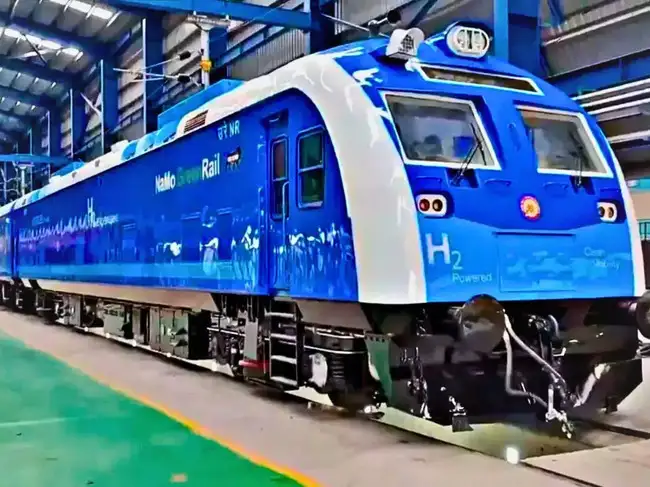
India is set to take a major step towards greener rail transport, with Prime Minister Narendra Modi likely to flag off the country's first hydrogen-powered train from Jind railway station in Haryana on July 17, according to sources in the Railway Ministry.
The hydrogen train, which has successfully completed extensive trials over the past two-and-a-half months, is expected to begin commercial operations soon after the inauguration. Once operational, it will run on the Jind–Sonipat route, marking a significant milestone in Indian Railways' clean energy initiatives.
PM Modi likely to inaugurate India's first hydrogen train
According to PTI, citing Railway Ministry sources, the Prime Minister's Office has confirmed the proposed inauguration date.
"As of now, we have received confirmation from the PMO that Prime Minister Modi will flag off the hydrogen train from Jind on July 17," a senior railway official told PTI.
The launch is expected to be one of the key highlights of Indian Railways' efforts to adopt sustainable and environmentally friendly technologies.
Commercial operations to begin after inauguration
Railway officials said the train will begin commercial services shortly after the flag-off ceremony.
The train will operate two round trips daily between Jind and Sonipat, covering approximately 356 kilometres each day.
Key operational details include:
How does India's hydrogen-powered train work?
The train consists of two driving power cars (DPCs) and eight passenger coaches. Railway experts said each driving power car generates 1,200 kilowatts (kW) of power, equivalent to around 1,600 horsepower. Together, the two units provide a total traction power of 2,400 kW (approximately 3,200 hp).
According to officials, the train uses hydrogen fuel cells to generate electricity.
"The train is equipped with hydrogen fuel cells that convert hydrogen into electricity and release water vapour, making it a clean energy system," a railway expert told PTI.
Unlike conventional diesel-powered trains, hydrogen fuel cells emit only water vapour, significantly reducing carbon emissions.
Hydrogen storage and safety features
The train is capable of storing 440 kilograms of compressed hydrogen. Its design and safety systems have been independently validated by TÜV SÜD, ensuring compliance with international safety standards.
Officials said the train is expected to consume around 300 kg of hydrogen per day while operating at maximum passenger capacity.
Maximum and operational speed
Although the hydrogen train has been designed to safely reach a maximum speed of 110 kmph, it will operate at 75 kmph on the Jind–Sonipat route.
During testing, the train successfully completed trials at speeds ranging from 75 kmph to 120 kmph between Sonipat, Jind and New Delhi.
Maintenance to be carried out in Delhi
According to a Railway Board circular, the train has been authorised to operate only on the Jind–Sonipat section.
Maintenance facilities have been established at Shakurbasti in Delhi. Before being transported there, the hydrogen power system will be switched off in accordance with safety protocols, after which a diesel locomotive will haul the train to the maintenance depot.
Greener rail transport
The introduction of India's first hydrogen-powered train is expected to strengthen Indian Railways' transition towards cleaner and more sustainable transport solutions. By replacing fossil fuels with hydrogen fuel cells, the project aims to reduce emissions while demonstrating the potential of alternative energy technologies in the country's rail network.
Inputs from PTI
(You can now subscribe to our Economic Times WhatsApp channel)
The hydrogen train, which has successfully completed extensive trials over the past two-and-a-half months, is expected to begin commercial operations soon after the inauguration. Once operational, it will run on the Jind–Sonipat route, marking a significant milestone in Indian Railways' clean energy initiatives.
PM Modi likely to inaugurate India's first hydrogen train
According to PTI, citing Railway Ministry sources, the Prime Minister's Office has confirmed the proposed inauguration date."As of now, we have received confirmation from the PMO that Prime Minister Modi will flag off the hydrogen train from Jind on July 17," a senior railway official told PTI.
The launch is expected to be one of the key highlights of Indian Railways' efforts to adopt sustainable and environmentally friendly technologies.

Commercial operations to begin after inauguration
Railway officials said the train will begin commercial services shortly after the flag-off ceremony.The train will operate two round trips daily between Jind and Sonipat, covering approximately 356 kilometres each day.
Key operational details include:
- Route: Jind–Sonipat
- Daily distance: 356 km
- Two round trips per day
- Seating capacity: 682 passengers
- Total passenger capacity: Around 2,600
How does India's hydrogen-powered train work?
The train consists of two driving power cars (DPCs) and eight passenger coaches. Railway experts said each driving power car generates 1,200 kilowatts (kW) of power, equivalent to around 1,600 horsepower. Together, the two units provide a total traction power of 2,400 kW (approximately 3,200 hp).According to officials, the train uses hydrogen fuel cells to generate electricity.
"The train is equipped with hydrogen fuel cells that convert hydrogen into electricity and release water vapour, making it a clean energy system," a railway expert told PTI.
Unlike conventional diesel-powered trains, hydrogen fuel cells emit only water vapour, significantly reducing carbon emissions.
Hydrogen storage and safety features
The train is capable of storing 440 kilograms of compressed hydrogen. Its design and safety systems have been independently validated by TÜV SÜD, ensuring compliance with international safety standards.Officials said the train is expected to consume around 300 kg of hydrogen per day while operating at maximum passenger capacity.
Maximum and operational speed
Although the hydrogen train has been designed to safely reach a maximum speed of 110 kmph, it will operate at 75 kmph on the Jind–Sonipat route.During testing, the train successfully completed trials at speeds ranging from 75 kmph to 120 kmph between Sonipat, Jind and New Delhi.
Maintenance to be carried out in Delhi
According to a Railway Board circular, the train has been authorised to operate only on the Jind–Sonipat section.Maintenance facilities have been established at Shakurbasti in Delhi. Before being transported there, the hydrogen power system will be switched off in accordance with safety protocols, after which a diesel locomotive will haul the train to the maintenance depot.
Greener rail transport
The introduction of India's first hydrogen-powered train is expected to strengthen Indian Railways' transition towards cleaner and more sustainable transport solutions. By replacing fossil fuels with hydrogen fuel cells, the project aims to reduce emissions while demonstrating the potential of alternative energy technologies in the country's rail network.Inputs from PTI
Add  as a Reliable and Trusted News Source
as a Reliable and Trusted News Source Add Now!
 (You can now subscribe to our Economic Times WhatsApp channel)
( Originally published on Jul 08, 2026 )