 ET Online
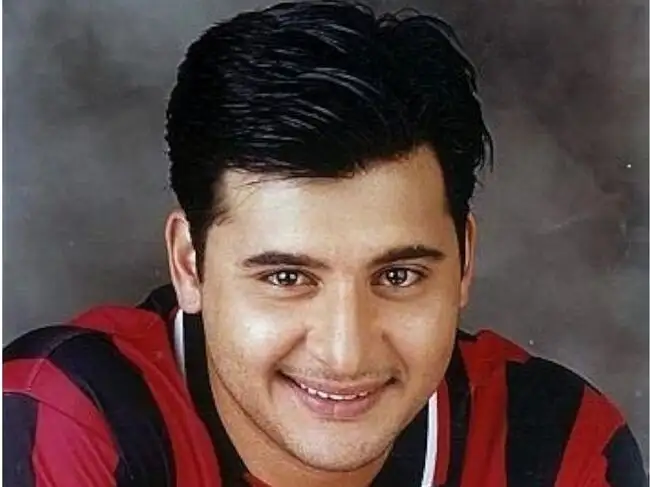
He was one of the heartthrobs in Tamil and Telugu cinema, adored for his chocolate boy image in the late 1990s and early 2000s. But somewhere along the way, Abbas’s career lost momentum and he spent many years in New Zealand, battling financial woes and doing odd jobs to keep afloat.
Born in Kolkata and raised in Bengaluru, Abbas came from a family with strong ties to the Indian film industry. His grandfather was an actor who worked in both Bengali and Hindi cinema, while the family also shared a relationship with veteran actor-filmmaker Feroz Khan. In a 2010 interview with Rediff, Abbas said that his mother was an ardent admirer of Amitabh Bachchan, and growing up watching the superstar's films had a lasting influence on him. Surrounded by cinema from an early age, he said that pursuing a career in films always felt like a natural possibility.
Abbas made his onscreen debut in the 1996 teenage rom com Kadhal Desam which starred Tabu and Vineeth. The movie emerged as a blockbuster, and Abbas became an overnight star.
After making a successful debut, Abbas struggled to maintain momentum in Tamil cinema because of an increasingly packed shooting schedule. According to reports, he was unable to accept roles in several films that later became major hits, including Kadhalukku Mariyadhai (1997) and Jeans (1998). The Tamil projects he eventually signed, such as Jolly (1998), Ini Ellam Sugame (1998), and Aasai Thambi (1998), failed to make an impact at the box office, while the films he had declined went on to achieve remarkable commercial success.
His fortunes were brighter in Telugu cinema. The dubbed Telugu version of Kadhal Desam, titled Prema Desam, turned out to be a huge success and significantly boosted his popularity in the state. Riding on that momentum, Abbas featured in Priya O Priya (1997) and Rajahamsa (1998), both of which performed well commercially. He also appeared alongside debutant R. Madhavan in the Kannada youth drama Shanti Shanti Shanti (1999), marking Madhavan's first Kannada film.
The year 1999 proved to be one of the busiest phases of Abbas' career, with the actor appearing in eight films across four languages. He made his Malayalam debut opposite Manju Warrier in Kannezhuthi Pottum Thottu, which emerged as a major box-office success. He followed it up with the Telugu blockbuster Raja, starring alongside Venkatesh and Soundarya. The same year, Abbas portrayed the son-in-law of Rajinikanth's character in Padayappa, which became the highest-grossing Tamil film of 1999.
In 2000, Abbas joined an ensemble cast in director Rajiv Menon's acclaimed romantic drama Kandukondain Kandukondain, sharing screen space with Mammootty, Ajith Kumar, Aishwarya Rai Bachchan and Tabu. The film enjoyed commercial success and reunited Abbas with Tabu after their earlier collaboration in Kadhal Desam. However, his Telugu release Madhuri (2000) failed to attract audiences.
The following year, Abbas earned praise for his performance in Minnale (2001), where he played the romantic rival of R. Madhavan's character opposite Reema Sen. The film became one of the biggest commercial successes of the year and remains among the most celebrated romantic films in Tamil cinema.
Despite these achievements, Abbas' career gradually lost momentum. Leading roles became scarce, and he increasingly found himself taking supporting parts. By the 2010s, film offers had dwindled considerably, and after the release of the Malayalam film Pachakallam (2016), he stepped away from acting.
Abbas later relocated to Auckland, New Zealand, with his family and took up a variety of jobs to support them. In an interview with Rediff, he revealed that after the success of his early films, a series of commercial failures left him in severe financial difficulty, to the point where he struggled to pay rent and meet everyday expenses. He admitted that pride initially stopped him from considering work outside films, but he eventually approached producer R. B. Choudary for opportunities, who cast him in Pooveli (1998).
Speaking further to Rediff, Abbas said that after moving to New Zealand, he did whatever work was necessary to provide for his family. His jobs included repairing motorcycles, driving taxis, working at a petrol station, and taking up construction work, reflecting the dramatic shift from being a celebrated film star to rebuilding his life through honest labour.
Born in Kolkata and raised in Bengaluru, Abbas came from a family with strong ties to the Indian film industry. His grandfather was an actor who worked in both Bengali and Hindi cinema, while the family also shared a relationship with veteran actor-filmmaker Feroz Khan. In a 2010 interview with Rediff, Abbas said that his mother was an ardent admirer of Amitabh Bachchan, and growing up watching the superstar's films had a lasting influence on him. Surrounded by cinema from an early age, he said that pursuing a career in films always felt like a natural possibility.
Abbas made his onscreen debut in the 1996 teenage rom com Kadhal Desam which starred Tabu and Vineeth. The movie emerged as a blockbuster, and Abbas became an overnight star.
After making a successful debut, Abbas struggled to maintain momentum in Tamil cinema because of an increasingly packed shooting schedule. According to reports, he was unable to accept roles in several films that later became major hits, including Kadhalukku Mariyadhai (1997) and Jeans (1998). The Tamil projects he eventually signed, such as Jolly (1998), Ini Ellam Sugame (1998), and Aasai Thambi (1998), failed to make an impact at the box office, while the films he had declined went on to achieve remarkable commercial success.
His fortunes were brighter in Telugu cinema. The dubbed Telugu version of Kadhal Desam, titled Prema Desam, turned out to be a huge success and significantly boosted his popularity in the state. Riding on that momentum, Abbas featured in Priya O Priya (1997) and Rajahamsa (1998), both of which performed well commercially. He also appeared alongside debutant R. Madhavan in the Kannada youth drama Shanti Shanti Shanti (1999), marking Madhavan's first Kannada film.
The year 1999 proved to be one of the busiest phases of Abbas' career, with the actor appearing in eight films across four languages. He made his Malayalam debut opposite Manju Warrier in Kannezhuthi Pottum Thottu, which emerged as a major box-office success. He followed it up with the Telugu blockbuster Raja, starring alongside Venkatesh and Soundarya. The same year, Abbas portrayed the son-in-law of Rajinikanth's character in Padayappa, which became the highest-grossing Tamil film of 1999.
In 2000, Abbas joined an ensemble cast in director Rajiv Menon's acclaimed romantic drama Kandukondain Kandukondain, sharing screen space with Mammootty, Ajith Kumar, Aishwarya Rai Bachchan and Tabu. The film enjoyed commercial success and reunited Abbas with Tabu after their earlier collaboration in Kadhal Desam. However, his Telugu release Madhuri (2000) failed to attract audiences.
The following year, Abbas earned praise for his performance in Minnale (2001), where he played the romantic rival of R. Madhavan's character opposite Reema Sen. The film became one of the biggest commercial successes of the year and remains among the most celebrated romantic films in Tamil cinema.
Despite these achievements, Abbas' career gradually lost momentum. Leading roles became scarce, and he increasingly found himself taking supporting parts. By the 2010s, film offers had dwindled considerably, and after the release of the Malayalam film Pachakallam (2016), he stepped away from acting.
Abbas later relocated to Auckland, New Zealand, with his family and took up a variety of jobs to support them. In an interview with Rediff, he revealed that after the success of his early films, a series of commercial failures left him in severe financial difficulty, to the point where he struggled to pay rent and meet everyday expenses. He admitted that pride initially stopped him from considering work outside films, but he eventually approached producer R. B. Choudary for opportunities, who cast him in Pooveli (1998).
Speaking further to Rediff, Abbas said that after moving to New Zealand, he did whatever work was necessary to provide for his family. His jobs included repairing motorcycles, driving taxis, working at a petrol station, and taking up construction work, reflecting the dramatic shift from being a celebrated film star to rebuilding his life through honest labour.
Add  as a Reliable and Trusted News Source
as a Reliable and Trusted News Source Add Now!
 (Catch all the Business News, Breaking News, and Latest News Updates on The Economic Times.)
Subscribe to The Economic Times Prime and read the ET ePaper online.
Read More News on
(Catch all the Business News, Breaking News, and Latest News Updates on The Economic Times.)
Subscribe to The Economic Times Prime and read the ET ePaper online.