Listen to this article in summarized format
×
Subscribe to 
Unlock AI Briefing and Premium Content
New Year Offer 24 Hours Left
Subscribe NowAlready a member? Sign In
What's Included
- Exclusive Stories
- Daily ePaper Access
- Smart Market Tools
- Curated Investment Ideas
- Ad-lite Experience
Subscription

 iStock
Many people assume that stomach cancer is mainly triggered by eating very spicy meals or drinking too much coffee, but these common beliefs are not supported as the leading causes. Addressing this widespread misconception, internal medicine specialist Dr. Priyam Bordoloi shared an educational post on X highlighting an important question about everyday eating habits and their connection to stomach cancer.
He asked readers to identify which routine dietary practice has the strongest association with an increased risk of stomach cancer by choosing from four options: consuming very spicy foods regularly, eating a diet high in salt every day, using artificial sweeteners, or drinking coffee on an empty stomach.
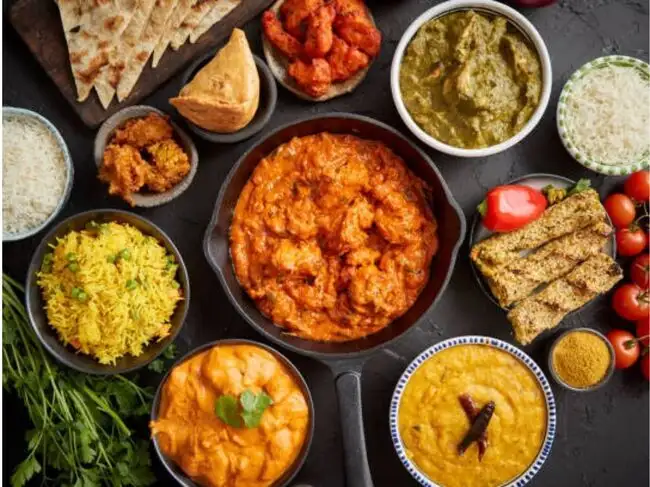
Another doctor, Dr Yonni answered that it was heavily salted food which increases risk of cancer. Excessive salt wreaks havoc on the stomach lining, promotes chronic inflammation (one of the biggest culprits behind cancer) and enables helicobacter pylori’s cancer causing properties. Gastric cancer is common in those who have diets full of salty dishes, preserved foods and untreated h pylori.
What Are The Symptoms Of Stomach Cancer?
According to Mayo Clinic, stomach cancer can produce a wide range of warning signs, although many of them may initially seem mild or resemble common digestive problems. People with the disease may experience difficulty swallowing food, ongoing discomfort or pain in the abdomen, and a sensation of fullness or bloating soon after meals. Another common symptom is becoming satisfied after eating only a small quantity of food, even when appetite would normally be greater.
Some individuals notice a reduced desire to eat, persistent acid reflux, or frequent episodes of indigestion. Nausea and repeated vomiting may also occur as the condition progresses. Unexplained weight loss, despite no intentional changes in diet or physical activity, is another important warning sign. Many patients also report constant fatigue or unusual weakness that does not improve with rest. In some cases, bowel movements become dark, black, or tar-like, which can indicate bleeding somewhere in the upper digestive tract and requires prompt medical evaluation.
He asked readers to identify which routine dietary practice has the strongest association with an increased risk of stomach cancer by choosing from four options: consuming very spicy foods regularly, eating a diet high in salt every day, using artificial sweeteners, or drinking coffee on an empty stomach.
Another doctor, Dr Yonni answered that it was heavily salted food which increases risk of cancer. Excessive salt wreaks havoc on the stomach lining, promotes chronic inflammation (one of the biggest culprits behind cancer) and enables helicobacter pylori’s cancer causing properties. Gastric cancer is common in those who have diets full of salty dishes, preserved foods and untreated h pylori.
What Are The Symptoms Of Stomach Cancer?
According to Mayo Clinic, stomach cancer can produce a wide range of warning signs, although many of them may initially seem mild or resemble common digestive problems. People with the disease may experience difficulty swallowing food, ongoing discomfort or pain in the abdomen, and a sensation of fullness or bloating soon after meals. Another common symptom is becoming satisfied after eating only a small quantity of food, even when appetite would normally be greater.Some individuals notice a reduced desire to eat, persistent acid reflux, or frequent episodes of indigestion. Nausea and repeated vomiting may also occur as the condition progresses. Unexplained weight loss, despite no intentional changes in diet or physical activity, is another important warning sign. Many patients also report constant fatigue or unusual weakness that does not improve with rest. In some cases, bowel movements become dark, black, or tar-like, which can indicate bleeding somewhere in the upper digestive tract and requires prompt medical evaluation.
Add  as a Reliable and Trusted News Source
as a Reliable and Trusted News Source Add Now!
 (Catch all the Business News, Breaking News, and Latest News Updates on The Economic Times.)
Subscribe to The Economic Times Prime and read the ET ePaper online.
Read More News on
(Catch all the Business News, Breaking News, and Latest News Updates on The Economic Times.)
Subscribe to The Economic Times Prime and read the ET ePaper online.