Listen to this article in summarized format
×
Subscribe to 
Unlock AI Briefing and Premium Content
New Year Offer 24 Hours Left
Subscribe NowAlready a member? Sign In
What's Included
- Exclusive Stories
- Daily ePaper Access
- Smart Market Tools
- Curated Investment Ideas
- Ad-lite Experience
Subscription

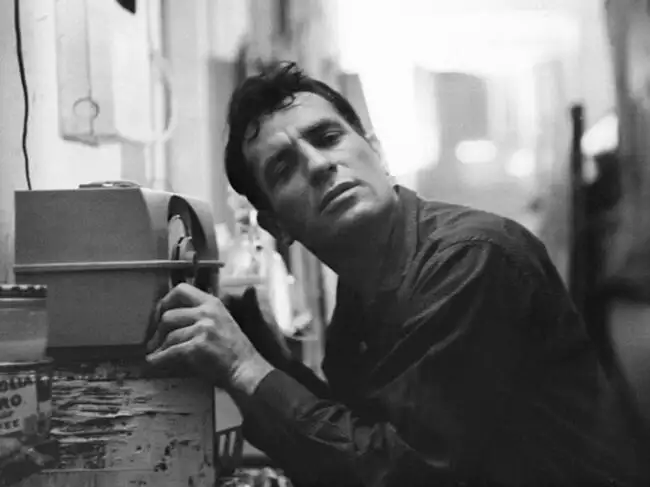
Quote of the Day by Jack Kerouac: Life today moves fast. People often believe a different city, a better job, a bigger house or a long holiday will finally bring peace. Yet many discover that worries travel with them. Stress does not always disappear simply because the surroundings change. That is what makes Quote of the Day by Jack Kerouac stand out even now. In Lonesome Traveler (1960), Kerouac wrote, “And I realize that no matter where I am, whether in a little room full of thought, or in this endless universe of stars and mountains, it's all in my mind.”
The line comes from a longer reflection on stars, nature and the human mind, where he also writes about loving life without forming preconceptions. The quote has since become one of his most widely shared reflections on perspective and inner peace.
Quote of the Day Today: Jack Kerouac on the power of the mind
Quote of the Day by Jack Kerouac: "And I realize that no matter where I am, whether in a little room full of thought, or in this endless universe of stars and mountains, it's all in my mind." — Jack Kerouac, Lonesome Traveler (1960)
The quote also suggests that people often spend a great deal of time searching for happiness somewhere else. Kerouac points in another direction. He hints that peace, fear, loneliness and joy are closely connected to our way of thinking. A beautiful place may still feel empty if the mind is restless, while an ordinary place can feel meaningful when the mind is calm. This idea reflects many of the spiritual themes that appeared throughout his writing.
Perspective often shapes experience more than location does. Two people can stand in exactly the same place and feel completely different emotions. One sees possibility while the other sees uncertainty. This is why learning to understand our own thoughts becomes important. Kerouac's words remind readers that lasting contentment cannot always be found by constantly looking outward. Sometimes it begins with changing how we look at the world around us.
His childhood was also marked by personal loss. The death of his older brother Gerard had a lasting effect on him and later appeared in several of his works. Those early experiences shaped the spiritual questions and emotional depth that readers would come to associate with his books.
Although injuries and changing priorities ended his college journey earlier than expected, his time in New York exposed him to literature, jazz, philosophy and different ways of thinking. These influences later became a defining part of his writing style, often described as spontaneous, honest and deeply personal.
Its conversational style broke away from many literary traditions of the time. While critics initially had mixed opinions, the book gradually became one of the defining works of twentieth-century American literature. Kerouac later wrote several other notable books, including The Dharma Bums, Doctor Sax, Tristessa, Desolation Angels and Big Sur.
Although Kerouac struggled with personal challenges and died in 1969 at the age of 47, his books continue to be read around the world. His reflections on identity, freedom and the human mind remain relevant long after they were first written.
The quote also speaks about accepting life as it comes. Rather than trying to control every outcome, it suggests that being present and open-minded can make ordinary moments feel more meaningful.
His quote quietly challenges that idea. It reminds us that our thoughts influence how we experience every place we visit. Whether someone is sitting alone at home or standing before a breathtaking landscape, the mind remains part of the journey. That simple idea has helped keep this quote relevant across generations.
During the 1950s, Kerouac developed a strong interest in Buddhist philosophy. He explored ideas such as mindfulness, impermanence and compassion, and these themes appeared in several of his writings. His novel The Dharma Bums reflects this spiritual journey, showing characters searching for meaning through meditation, nature and simple living. Although he remained connected to his Catholic upbringing, Buddhist ideas became an important part of his literary voice.
The line comes from a longer reflection on stars, nature and the human mind, where he also writes about loving life without forming preconceptions. The quote has since become one of his most widely shared reflections on perspective and inner peace.
Quote of the Day Today: Jack Kerouac on the power of the mind
Quote of the Day by Jack Kerouac: "And I realize that no matter where I am, whether in a little room full of thought, or in this endless universe of stars and mountains, it's all in my mind." — Jack Kerouac, Lonesome Traveler (1960)
Meaning of Jack Kerouac's Quote About Perspective and Inner Peace
Jack Kerouac's quote is simple to read but leaves room for deep thought. At one level, he says that whether he is sitting alone in a small room or standing beneath endless mountains and stars, his experience is shaped by his own mind. External places may change, but thoughts continue to influence how those places feel.The quote also suggests that people often spend a great deal of time searching for happiness somewhere else. Kerouac points in another direction. He hints that peace, fear, loneliness and joy are closely connected to our way of thinking. A beautiful place may still feel empty if the mind is restless, while an ordinary place can feel meaningful when the mind is calm. This idea reflects many of the spiritual themes that appeared throughout his writing.

Why Perspective Matters More Than Place
Many people believe life will improve after a major change. They wait for a promotion, a new home, retirement or the next journey. While change can certainly help, it does not automatically solve every problem.Perspective often shapes experience more than location does. Two people can stand in exactly the same place and feel completely different emotions. One sees possibility while the other sees uncertainty. This is why learning to understand our own thoughts becomes important. Kerouac's words remind readers that lasting contentment cannot always be found by constantly looking outward. Sometimes it begins with changing how we look at the world around us.
Early Life of Jack Kerouac
Jack Kerouac was born Jean-Louis Lebris de Kerouac on March 12, 1922, in Lowell, Massachusetts, to French-Canadian parents. He grew up speaking Joual, a French-Canadian dialect, before learning English as a child. His family followed the Roman Catholic faith, and both religion and his French-Canadian heritage remained important influences throughout his life and writing.
His childhood was also marked by personal loss. The death of his older brother Gerard had a lasting effect on him and later appeared in several of his works. Those early experiences shaped the spiritual questions and emotional depth that readers would come to associate with his books.
Education and the Birth of a Literary Voice
Kerouac attended local schools before studying at the Horace Mann School in New York on a football scholarship. He later enrolled at Columbia University, where he met writers Allen Ginsberg and William S. Burroughs. Together, they became central figures in what came to be known as the Beat Generation.Although injuries and changing priorities ended his college journey earlier than expected, his time in New York exposed him to literature, jazz, philosophy and different ways of thinking. These influences later became a defining part of his writing style, often described as spontaneous, honest and deeply personal.
Rise to Fame and On the Road
Kerouac's first published novel, The Town and the City, appeared in 1950, but it was On the Road, published in 1957, that transformed his career. The novel captured the restlessness, curiosity and search for meaning that many young readers felt in post-war America.Its conversational style broke away from many literary traditions of the time. While critics initially had mixed opinions, the book gradually became one of the defining works of twentieth-century American literature. Kerouac later wrote several other notable books, including The Dharma Bums, Doctor Sax, Tristessa, Desolation Angels and Big Sur.
Legacy and Lasting Influence
Jack Kerouac became one of the most influential voices of the Beat Generation. His writing encouraged readers to question routine, seek personal truth and remain open to new experiences. His works blended travel, philosophy, spirituality and everyday observation in a way that influenced generations of writers, musicians and artists.Although Kerouac struggled with personal challenges and died in 1969 at the age of 47, his books continue to be read around the world. His reflections on identity, freedom and the human mind remain relevant long after they were first written.
Life Lessons from Jack Kerouac's Famous Quote
This quote reminds readers that peace is not always connected to geography. A different place may offer a fresh beginning, but lasting change often starts within. It also encourages people to avoid making assumptions about what happiness should look like. Instead of constantly chasing the next destination, Kerouac's words invite us to pay attention to our own thoughts and understand how they shape everyday life.The quote also speaks about accepting life as it comes. Rather than trying to control every outcome, it suggests that being present and open-minded can make ordinary moments feel more meaningful.
Why This Quote Still Matters Today
Jack Kerouac's words continue to connect with modern readers because many people today experience constant pressure, information overload and the feeling that happiness always lies somewhere else. Social media often creates the impression that a better place or a different lifestyle is the answer.His quote quietly challenges that idea. It reminds us that our thoughts influence how we experience every place we visit. Whether someone is sitting alone at home or standing before a breathtaking landscape, the mind remains part of the journey. That simple idea has helped keep this quote relevant across generations.
Jack Kerouac's Writing Style and Buddhism Influence
Jack Kerouac became known for what he called "spontaneous prose," a style that aimed to capture thoughts as they came without excessive editing. He believed writing should flow naturally, much like a conversation or a jazz performance. This approach gave his books an energetic rhythm and helped distinguish his work from many traditional novels of his time. His writing style later influenced several generations of authors who experimented with more personal and free-flowing forms of storytelling.During the 1950s, Kerouac developed a strong interest in Buddhist philosophy. He explored ideas such as mindfulness, impermanence and compassion, and these themes appeared in several of his writings. His novel The Dharma Bums reflects this spiritual journey, showing characters searching for meaning through meditation, nature and simple living. Although he remained connected to his Catholic upbringing, Buddhist ideas became an important part of his literary voice.
Add  as a Reliable and Trusted News Source
as a Reliable and Trusted News Source Add Now!
 ( Originally published on Jul 13, 2026 )
(Catch all the Business News, Breaking News, and Latest News Updates on The Economic Times.)
Subscribe to The Economic Times Prime and read the ET ePaper online.
Read More News on
(Catch all the Business News, Breaking News, and Latest News Updates on The Economic Times.)
Subscribe to The Economic Times Prime and read the ET ePaper online.