Listen to this article in summarized format
×
Subscribe to 
Unlock AI Briefing and Premium Content
New Year Offer 24 Hours Left
Subscribe NowAlready a member? Sign In
What's Included
- Exclusive Stories
- Daily ePaper Access
- Smart Market Tools
- Curated Investment Ideas
- Ad-lite Experience
Subscription

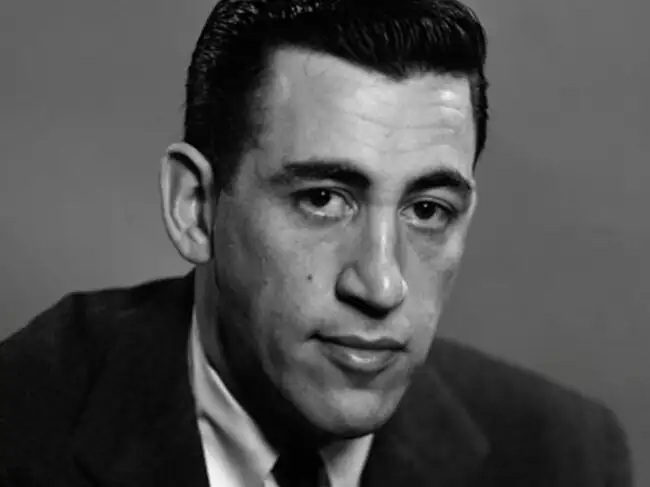
Quote of the day by JD Salinger: In an age driven by personal branding, endless comparison and the pressure to constantly achieve, J.D. Salinger's words continue to strike a nerve. The celebrated American author, best known for The Catcher in the Rye, once wrote that he was "sick of ego" and of people desperately trying to "be somebody." Decades later, the quote remains a powerful reminder that genuine fulfilment comes not from chasing admiration, but from cultivating authenticity, humility and inner peace.
Franny feels surrounded by people obsessed with achievement, recognition and appearing extraordinary. Declaring that she is "sick of ego, ego, ego," she questions the endless race to become someone important. Her frustration is not simply aimed at others. She openly includes herself, admitting that she is equally tired of her own ego. That honesty gives the quote its enduring emotional power.
By acknowledging her own flaws alongside everyone else's, Franny reminds us that self-awareness begins with honest introspection rather than criticism of others.
Humility over recognition: Real confidence does not require constant approval from others.
Authenticity over performance: Living honestly often matters more than appearing successful.
Self-reflection over blame: Growth begins when we examine our own motivations instead of judging everyone else.
Inner peace over endless ambition: Achievements can be rewarding, but they rarely satisfy if they are driven solely by ego.
Rather than rejecting success altogether, Salinger suggests finding purpose beyond titles, awards or public admiration.
His critically acclaimed story A Perfect Day for Bananafish appeared in The New Yorker in 1948, beginning a long association with the magazine that published much of his later work. The Catcher in the Rye became an instant literary phenomenon. Its portrayal of teenage alienation, identity and the loss of innocence resonated with generations of readers while also sparking controversy. The novel transformed Salinger into an international literary figure, even as he increasingly withdrew from public life.
He later published Nine Stories in 1953, Franny and Zooey in 1961, and Raise High the Roof Beam, Carpenters and Seymour: An Introduction in 1963. His final published work, Hapworth 16, 1924, appeared in The New Yorker in 1965.
Franny follows Franny Glass, a college student who becomes increasingly disturbed by the superficiality and self-importance she observes around her. During a weekend visit with her boyfriend, she experiences a profound spiritual crisis and begins searching for a deeper, more meaningful way of living.
Zooey continues the story shortly afterwards inside the Glass family apartment in New York City's Upper East Side. As Franny struggles through an emotional and existential breakdown, her older brother Zooey attempts to guide her with compassion, wisdom and difficult truths about faith, purpose and authenticity.
Together, the two stories explore identity, spirituality, family relationships and the tension between outward success and inner fulfilment.
Many readers and literary scholars have long viewed this withdrawal as reflecting themes found throughout his work: scepticism toward fame, discomfort with public performance and a desire to protect one's authentic self from external pressures.
Authenticity is more sustainable than performance. Pretending to be impressive often creates anxiety, while honesty builds lasting confidence. Personal growth begins with humility. Accepting imperfections is often the first step toward meaningful change.
Against that backdrop, Salinger's observation feels remarkably contemporary. His reminder to be wary of ego encourages people to pause before chasing external validation at the expense of genuine fulfilment. It invites readers to ask whether they are building a meaningful life or simply constructing an impressive image.
As Salinger wrote through Franny Glass, "I'm just sick of ego. My own and everybody else's." Sometimes, the most meaningful personal growth begins not by becoming somebody extraordinary, but by becoming more genuinely ourselves.
The context behind the quote
The famous lines come from Franny and Zooey, J.D. Salinger's 1961 book that combines the short story Franny and the novella Zooey. The quote is spoken by Franny Glass, a brilliant but emotionally exhausted college student who has grown deeply disillusioned with the world around her.Franny feels surrounded by people obsessed with achievement, recognition and appearing extraordinary. Declaring that she is "sick of ego, ego, ego," she questions the endless race to become someone important. Her frustration is not simply aimed at others. She openly includes herself, admitting that she is equally tired of her own ego. That honesty gives the quote its enduring emotional power.
What does the quote by JD Salinger really mean?
At its heart, Salinger's quote is not an attack on ambition. Instead, it is a warning against allowing ambition to become inseparable from self-worth. When people constantly seek validation, applause or status, they often lose sight of who they truly are. Franny's words encourage readers to step back and ask difficult questions: Are we pursuing success because it genuinely fulfils us? Or are we simply trying to impress others? Are we growing as individuals, or merely feeding our ego?By acknowledging her own flaws alongside everyone else's, Franny reminds us that self-awareness begins with honest introspection rather than criticism of others.

The deeper themes behind JD Salinger's quote
Although written more than six decades ago, the quote explores themes that remain remarkably relevant.Humility over recognition: Real confidence does not require constant approval from others.
Authenticity over performance: Living honestly often matters more than appearing successful.
Self-reflection over blame: Growth begins when we examine our own motivations instead of judging everyone else.
Inner peace over endless ambition: Achievements can be rewarding, but they rarely satisfy if they are driven solely by ego.
Rather than rejecting success altogether, Salinger suggests finding purpose beyond titles, awards or public admiration.
About J.D. Salinger
Jerome David Salinger was an American author best known for his landmark 1951 novel The Catcher in the Rye. Before becoming one of America's most celebrated writers, he published several short stories in Story magazine in 1940 and later served during World War II.His critically acclaimed story A Perfect Day for Bananafish appeared in The New Yorker in 1948, beginning a long association with the magazine that published much of his later work. The Catcher in the Rye became an instant literary phenomenon. Its portrayal of teenage alienation, identity and the loss of innocence resonated with generations of readers while also sparking controversy. The novel transformed Salinger into an international literary figure, even as he increasingly withdrew from public life.
He later published Nine Stories in 1953, Franny and Zooey in 1961, and Raise High the Roof Beam, Carpenters and Seymour: An Introduction in 1963. His final published work, Hapworth 16, 1924, appeared in The New Yorker in 1965.
About Franny and Zooey
Published as a single volume in 1961, Franny and Zooey brings together two interconnected stories centred on the Glass family, recurring characters throughout Salinger's fiction.Franny follows Franny Glass, a college student who becomes increasingly disturbed by the superficiality and self-importance she observes around her. During a weekend visit with her boyfriend, she experiences a profound spiritual crisis and begins searching for a deeper, more meaningful way of living.
Zooey continues the story shortly afterwards inside the Glass family apartment in New York City's Upper East Side. As Franny struggles through an emotional and existential breakdown, her older brother Zooey attempts to guide her with compassion, wisdom and difficult truths about faith, purpose and authenticity.
Together, the two stories explore identity, spirituality, family relationships and the tension between outward success and inner fulfilment.
Salinger's own journey
Ironically, Salinger experienced the very fame his characters often questioned. Following the extraordinary success of The Catcher in the Rye, intense public attention increasingly made him uncomfortable. Rather than embracing celebrity status, he gradually retreated from the spotlight and became famously reclusive, publishing less frequently while living a private life away from media attention.Many readers and literary scholars have long viewed this withdrawal as reflecting themes found throughout his work: scepticism toward fame, discomfort with public performance and a desire to protect one's authentic self from external pressures.
Life lessons from the quote
Salinger's words continue to offer practical lessons for everyday life. Success without self-awareness can feel empty. External achievements lose meaning if they are driven only by the need for recognition. Everyone has an ego. True maturity comes from recognising our own blind spots instead of believing only others are flawed.Authenticity is more sustainable than performance. Pretending to be impressive often creates anxiety, while honesty builds lasting confidence. Personal growth begins with humility. Accepting imperfections is often the first step toward meaningful change.
Why the quote remains relevant today
Modern life constantly rewards visibility. Social media encourages comparison, careers often celebrate personal branding and success is frequently measured through followers, promotions or public recognition.Against that backdrop, Salinger's observation feels remarkably contemporary. His reminder to be wary of ego encourages people to pause before chasing external validation at the expense of genuine fulfilment. It invites readers to ask whether they are building a meaningful life or simply constructing an impressive image.
Final takeaway
J.D. Salinger's famous reflection about being "sick of ego" is ultimately an invitation to live more honestly. Rather than rejecting ambition altogether, it encourages people to examine why they pursue success in the first place. By recognising our own imperfections, embracing humility and seeking authenticity over applause, we become better equipped to build lives rooted in purpose rather than performance.As Salinger wrote through Franny Glass, "I'm just sick of ego. My own and everybody else's." Sometimes, the most meaningful personal growth begins not by becoming somebody extraordinary, but by becoming more genuinely ourselves.
Add  as a Reliable and Trusted News Source
as a Reliable and Trusted News Source Add Now!
 (Catch all the Business News, Breaking News, and Latest News Updates on The Economic Times.)
Subscribe to The Economic Times Prime and read the ET ePaper online.
Read More News on
(Catch all the Business News, Breaking News, and Latest News Updates on The Economic Times.)
Subscribe to The Economic Times Prime and read the ET ePaper online.