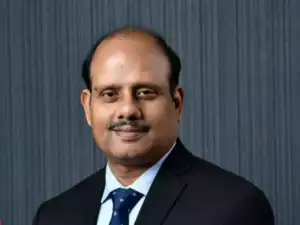
Mumbai, RBI Deputy Governor Swaminathan J has asked all regulated entities to review their internal grievance redressal processes and design complaint management systems to prevent complaints from inadvertently bypassing the Internal Ombudsman process.
In his keynote address at the Internal Ombudsman Conference organised by the RBI on July 13, the deputy governor said that at the heart of banking and financial services lies a fundamental relationship between the customer and institution.
"Customers entrust financial institutions with their savings, their aspirations, their financial security and, increasingly, their digital lives.
"That relationship is sustained not only by strong balance sheets, adequate capital and advanced technology, but also by how fairly and promptly institutions respond when something goes wrong," he said.
Also read: RBI asks banks to clear old trade and payment mismatches
The Reserve Bank of India (RBI) posted the speech on its website on Monday.
Over the years, Swaminathan said the Reserve Bank has not only consistently emphasised that consumer protection is integral to financial stability, but has also translated this principle into a comprehensive institutional framework through the RBI Ombudsman mechanism, the Internal Ombudsman framework and robust regulatory expectations for customer service.
Together, this framework reflects the RBI's belief that a financial system can be considered truly strong when customers are confident that their concerns will be heard, examined impartially and resolved within a reasonable time.
"Every unresolved grievance carries a cost. It is not merely a financial cost. It is a cost in terms of customer confidence, institutional reputation and, ultimately, regulatory attention," he said.
More importantly, it represents a missed opportunity for the institution to demonstrate fairness, responsiveness, and accountability, the deputy governor emphasised.
He further said an effective Internal Ombudsman framework depends on the environment created by the Board and the regulated entity's senior management.
"The Board sets the tone for the organisation. If customer-centricity is viewed merely as a compliance requirement, the grievance redress mechanism will inevitably become a compliance exercise," Swaminathan said.
On the other hand, when the Board views customer service as an integral part of good governance, that philosophy permeates the organisation and reflects in every interaction with the customer.
The Board and its Customer Service Committee should, therefore, not view complaint data merely as statistics or management information, he said.
Complaint trends are valuable business intelligence, he said, adding that rising complaints in a particular product, geography, delivery channel or process often serve as early warning signals of underlying weaknesses that require management attention.
"It is observed that a significant proportion of complaints ultimately resolved in favour of customers at the RBI Ombudsman level were not referred to the Internal Ombudsman in the first place. This is a matter of serious concern because it undermines the very purpose of the Internal Ombudsman framework," he said.
Swaminathan urged all the regulated entities to review their internal grievance redress processes carefully.
"Every complaint that must be referred to the Internal Ombudsman should be referred promptly and without exception. Equally important, complaint management systems should be designed to prevent complaints from inadvertently bypassing the Internal Ombudsman process due to classification issues or process deficiencies," he said.
He also highlighted that technology has transformed financial services in ways that would have been difficult to imagine even a decade ago. Technology has undoubtedly enhanced convenience and expanded access to formal finance.
Also read: RBI imposes penalties on Muthoot Finance, 5 others for compliance violations
At the same time, Swaminathan said technology has also reshaped customer expectations.
A customer who can complete a financial transaction in a matter of seconds naturally expects that an error or failed transaction will also be resolved with similar speed and efficiency, he said.
While grievance resolution may not always be instantaneous, institutions must continuously strive to reduce delays and make the process simpler, more transparent and more responsive, the deputy governor added.
(You can now subscribe to our Economic Times WhatsApp channel)
In his keynote address at the Internal Ombudsman Conference organised by the RBI on July 13, the deputy governor said that at the heart of banking and financial services lies a fundamental relationship between the customer and institution.
"Customers entrust financial institutions with their savings, their aspirations, their financial security and, increasingly, their digital lives.
"That relationship is sustained not only by strong balance sheets, adequate capital and advanced technology, but also by how fairly and promptly institutions respond when something goes wrong," he said.
Also read: RBI asks banks to clear old trade and payment mismatches

The Reserve Bank of India (RBI) posted the speech on its website on Monday.
Over the years, Swaminathan said the Reserve Bank has not only consistently emphasised that consumer protection is integral to financial stability, but has also translated this principle into a comprehensive institutional framework through the RBI Ombudsman mechanism, the Internal Ombudsman framework and robust regulatory expectations for customer service.
Together, this framework reflects the RBI's belief that a financial system can be considered truly strong when customers are confident that their concerns will be heard, examined impartially and resolved within a reasonable time.
"Every unresolved grievance carries a cost. It is not merely a financial cost. It is a cost in terms of customer confidence, institutional reputation and, ultimately, regulatory attention," he said.
More importantly, it represents a missed opportunity for the institution to demonstrate fairness, responsiveness, and accountability, the deputy governor emphasised.
He further said an effective Internal Ombudsman framework depends on the environment created by the Board and the regulated entity's senior management.
"The Board sets the tone for the organisation. If customer-centricity is viewed merely as a compliance requirement, the grievance redress mechanism will inevitably become a compliance exercise," Swaminathan said.
On the other hand, when the Board views customer service as an integral part of good governance, that philosophy permeates the organisation and reflects in every interaction with the customer.
The Board and its Customer Service Committee should, therefore, not view complaint data merely as statistics or management information, he said.
Complaint trends are valuable business intelligence, he said, adding that rising complaints in a particular product, geography, delivery channel or process often serve as early warning signals of underlying weaknesses that require management attention.
"It is observed that a significant proportion of complaints ultimately resolved in favour of customers at the RBI Ombudsman level were not referred to the Internal Ombudsman in the first place. This is a matter of serious concern because it undermines the very purpose of the Internal Ombudsman framework," he said.
Swaminathan urged all the regulated entities to review their internal grievance redress processes carefully.
"Every complaint that must be referred to the Internal Ombudsman should be referred promptly and without exception. Equally important, complaint management systems should be designed to prevent complaints from inadvertently bypassing the Internal Ombudsman process due to classification issues or process deficiencies," he said.
He also highlighted that technology has transformed financial services in ways that would have been difficult to imagine even a decade ago. Technology has undoubtedly enhanced convenience and expanded access to formal finance.
Also read: RBI imposes penalties on Muthoot Finance, 5 others for compliance violations
At the same time, Swaminathan said technology has also reshaped customer expectations.
A customer who can complete a financial transaction in a matter of seconds naturally expects that an error or failed transaction will also be resolved with similar speed and efficiency, he said.
While grievance resolution may not always be instantaneous, institutions must continuously strive to reduce delays and make the process simpler, more transparent and more responsive, the deputy governor added.
Add  as a Reliable and Trusted News Source
as a Reliable and Trusted News Source Add Now!
 (You can now subscribe to our Economic Times WhatsApp channel)