Listen to this article in summarized format
×
Subscribe to 
Unlock AI Briefing and Premium Content
New Year Offer 24 Hours Left
Subscribe NowAlready a member? Sign In
What's Included
- Exclusive Stories
- Daily ePaper Access
- Smart Market Tools
- Curated Investment Ideas
- Ad-lite Experience
Subscription

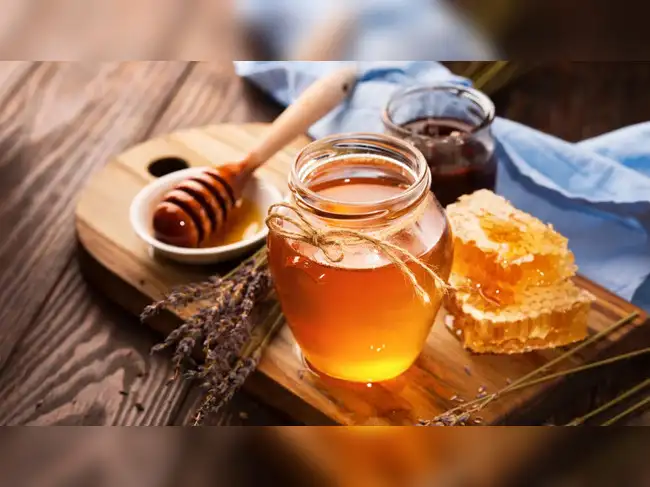
Admired for his unforgettable voice and award-winning performances, Hollywood star Morgan Freeman is on a very different mission- protecting bees. The Oscar-winning star of The Shawshank Redemption'
Concerned by the alarming decline in bee populations across the world, Freeman transformed his 124-acre ranch in Charleston, Mississippi, into a safe habitat where bees can thrive without being disturbed. Instead of producing honey for profit, he has dedicated the space to giving pollinators a healthy environment to survive.
His unique bee conservation project has not only captured global attention but has also sparked conversations about why bees are essential for the planet—and what ordinary people can do to help.
ALSO READ: Titanic survivor's lifejacket sells for nearly $901,000
Speaking on The Tonight Show Starring Jimmy Fallon, the actor revealed that he had recently taken up the hobby. Soon after, he imported 26 beehives from Arkansas and placed them across his Mississippi ranch.
His goal was simple: create a peaceful place where bees could live, feed and pollinate naturally without unnecessary human interference.
ALSO READ: iPhone 18 Pro and iPhone 18 Pro Max cost up to $1,499 in the US?
These bee-friendly plants ensure that pollinators always have a reliable food source. Perhaps the most surprising part of Freeman's approach is that he does not harvest honey from the hives.
Instead, he leaves the colonies undisturbed and, when necessary, supplements their food with sugar water. His focus remains on helping the insects survive rather than producing honey.
Explaining why, Freeman said the bees appear calm because he is not trying to take anything from them. "They haven't stung me yet." He also joked that the bees seem to understand he is simply bringing them food instead of disturbing their home.
His unusual approach has fascinated both environmentalists and fans, highlighting how peaceful interactions with bees can be when colonies are left undisturbed.
He is known for starring in blockbuster and critically acclaimed films, including:
Freeman won the Academy Award for Best Supporting Actor for Million Dollar Baby (2004). Over the years, he has also received numerous honours, including a Golden Globe Award, the Screen Actors Guild Life Achievement Award and the AFI Life Achievement Award.
Outside acting, Freeman has developed a deep interest in environmental conservation, sustainable farming and wildlife protection.
As they move from flower to flower collecting nectar, they transfer pollen, allowing plants to reproduce. This natural process supports the growth of fruits, vegetables, nuts and seeds that people consume every day.
According to the Food and Agriculture Organization (FAO), around 80% of the world's leading food crops rely, at least partly, on animal pollination, with bees doing most of the work.
Many everyday foods depend on bee pollination, including:
Without healthy bee populations, food production and biodiversity would face serious challenges.
The issue gained worldwide attention through concerns over colony collapse disorder, a phenomenon in which worker bees disappear from hives, leaving colonies unable to survive.
Experts continue to stress that protecting pollinators is essential for long-term food security and environmental health.
By using his own land to create a safe habitat instead of a commercial honey operation, the actor has encouraged more people to learn about bee conservation.
His story also highlights an important message: helping nature doesn't always require large-scale projects. Planting pollinator-friendly flowers, reducing pesticide use and creating safe green spaces can all support local bee populations.
(You can now subscribe to our Economic Times WhatsApp channel)
Concerned by the alarming decline in bee populations across the world, Freeman transformed his 124-acre ranch in Charleston, Mississippi, into a safe habitat where bees can thrive without being disturbed. Instead of producing honey for profit, he has dedicated the space to giving pollinators a healthy environment to survive.
His unique bee conservation project has not only captured global attention but has also sparked conversations about why bees are essential for the planet—and what ordinary people can do to help.
ALSO READ: Titanic survivor's lifejacket sells for nearly $901,000
Why did Morgan Freeman create a bee sanctuary?
Freeman's passion for bees started in 2014, when he decided to learn beekeeping after discovering how rapidly bee populations were declining worldwide.Speaking on The Tonight Show Starring Jimmy Fallon, the actor revealed that he had recently taken up the hobby. Soon after, he imported 26 beehives from Arkansas and placed them across his Mississippi ranch.

His goal was simple: create a peaceful place where bees could live, feed and pollinate naturally without unnecessary human interference.
ALSO READ: iPhone 18 Pro and iPhone 18 Pro Max cost up to $1,499 in the US?
A ranch designed for bees, not honey
To make the property attractive to pollinators, Freeman planted a variety of flowering plants and trees that provide nectar throughout the year. Among them are:- Magnolia trees
- Lavender
- Clover
These bee-friendly plants ensure that pollinators always have a reliable food source. Perhaps the most surprising part of Freeman's approach is that he does not harvest honey from the hives.
Instead, he leaves the colonies undisturbed and, when necessary, supplements their food with sugar water. His focus remains on helping the insects survive rather than producing honey.
"They haven't stung me yet"
Freeman's relationship with his bees is unlike that of most beekeepers. He has revealed that he often tends to the hives without wearing a protective bee suit or veil.Explaining why, Freeman said the bees appear calm because he is not trying to take anything from them. "They haven't stung me yet." He also joked that the bees seem to understand he is simply bringing them food instead of disturbing their home.
His unusual approach has fascinated both environmentalists and fans, highlighting how peaceful interactions with bees can be when colonies are left undisturbed.
Who is Morgan Freeman?
Born on June 1, 1937, in Memphis, Tennessee, Morgan Freeman has built one of Hollywood's most respected careers, spanning more than five decades.He is known for starring in blockbuster and critically acclaimed films, including:
- The Shawshank Redemption
- Driving Miss Daisy
- Se7en
- Million Dollar Baby
- Invictus
Freeman won the Academy Award for Best Supporting Actor for Million Dollar Baby (2004). Over the years, he has also received numerous honours, including a Golden Globe Award, the Screen Actors Guild Life Achievement Award and the AFI Life Achievement Award.
Outside acting, Freeman has developed a deep interest in environmental conservation, sustainable farming and wildlife protection.
Why are bees so important?
Although tiny, bees play a massive role in maintaining ecosystems.As they move from flower to flower collecting nectar, they transfer pollen, allowing plants to reproduce. This natural process supports the growth of fruits, vegetables, nuts and seeds that people consume every day.
According to the Food and Agriculture Organization (FAO), around 80% of the world's leading food crops rely, at least partly, on animal pollination, with bees doing most of the work.
Many everyday foods depend on bee pollination, including:
- Apples
- Almonds
- Blueberries
- Cucumbers
- Pumpkins
Without healthy bee populations, food production and biodiversity would face serious challenges.
Why are bee populations declining?
Scientists have warned for years that bee numbers are falling across many parts of the world. Researchers say several factors are contributing to the decline, including:- Habitat loss
- Climate change
- Pesticide exposure
- Parasites
- Diseases affecting bee colonies
The issue gained worldwide attention through concerns over colony collapse disorder, a phenomenon in which worker bees disappear from hives, leaving colonies unable to survive.
Experts continue to stress that protecting pollinators is essential for long-term food security and environmental health.
Morgan Freeman is using his fame to spread awareness
Freeman's bee sanctuary may not solve the global pollinator crisis on its own, but it has become a powerful example of how individual action can make a difference.By using his own land to create a safe habitat instead of a commercial honey operation, the actor has encouraged more people to learn about bee conservation.
His story also highlights an important message: helping nature doesn't always require large-scale projects. Planting pollinator-friendly flowers, reducing pesticide use and creating safe green spaces can all support local bee populations.
Add  as a Reliable and Trusted News Source
as a Reliable and Trusted News Source Add Now!
 (You can now subscribe to our Economic Times WhatsApp channel)