 Agencies
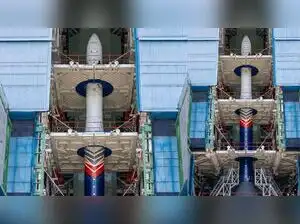
Skyroot Aerospace is set to launch Vikram-1, India's first privately developed orbital-class rocket, on July 18 at 11:30 am from the first launch pad at Satish Dhawan Space Centre (SDSC-SHAR), Sriharikota. The mission, named Mission Aagaman, marks the first attempt by a private Indian company to launch an orbital rocket from Indian soil.
Ahead of the launch, authorities have issued the required airspace and maritime notices, identifying restricted zones along the rocket's flight path and impact corridor.
The vehicle is designed to place small satellites weighing up to 350 kg into Low Earth Orbit (LEO). During its maiden test flight, Vikram-1 will target an orbit of 450 km at an inclination of 60 degrees.
The mission also marks Skyroot Aerospace's second launch after the successful Vikram-S suborbital mission in November 2022, which became the first private rocket to reach space from India.
Data collected during the mission will be used to assess the vehicle's performance, improve future versions of the rocket and support the company's plans to establish regular launch operations.
(You can now subscribe to our Economic Times WhatsApp channel)
Ahead of the launch, authorities have issued the required airspace and maritime notices, identifying restricted zones along the rocket's flight path and impact corridor.
What is Vikram-1?
Vikram-1 is a multi-stage orbital launch vehicle developed entirely by Skyroot Aerospace. Standing about seven storeys tall, the rocket features an all-carbon composite structure and uses propulsion systems developed in-house, including 3D-printed engines and high-thrust solid rocket boosters.The vehicle is designed to place small satellites weighing up to 350 kg into Low Earth Orbit (LEO). During its maiden test flight, Vikram-1 will target an orbit of 450 km at an inclination of 60 degrees.
What will Vikram-1 carry?
The rocket will carry multiple technology demonstration payloads from:
- Grahaa Space
- Cosmoserve
- DCubed
- Skyroot Aerospace's own SCOPE payload
Why is the launch significant?
Mission Aagaman represents the entry of India's private space sector into the orbital launch market. It will be the first flight of an orbital-class launch vehicle designed, developed and integrated by a private Indian company.The mission also marks Skyroot Aerospace's second launch after the successful Vikram-S suborbital mission in November 2022, which became the first private rocket to reach space from India.
What is the objective of the test flight?
According to Skyroot Aerospace, the July 18 mission is primarily a technology demonstration flight aimed at validating the performance of the rocket and its onboard systems in actual flight conditions.Data collected during the mission will be used to assess the vehicle's performance, improve future versions of the rocket and support the company's plans to establish regular launch operations.
Launch preparations completed
Skyroot said all stages of Vikram-1 have been successfully integrated and stacked on the launch pad. The company has also completed:- Final integrated vehicle checks from its launch control centre.
- Interface verification with telemetry ground stations.
- Tracking radar system checks.
Skyroot's long-term plans
The company aims to build a reliable, on-demand launch service for small satellites from India. Skyroot says the maiden flight of Vikram-1 is an important milestone toward validating its launch technology and supporting future commercial missions in the growing global small satellite launch market.Add  as a Reliable and Trusted News Source
as a Reliable and Trusted News Source Add Now!
 (You can now subscribe to our Economic Times WhatsApp channel)