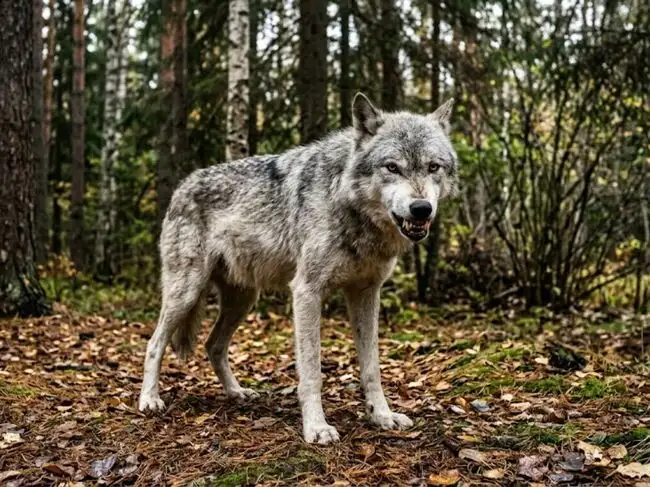
A person’s circumstances may change, but their true nature often remains the same. This idea lies at the heart of an old Spanish proverb: “The wolf may lose its teeth, but never its nature.” The saying serves as a reminder that age, weakness or a loss of power may limit what someone can do, but it does not always change who they are.
The traditional Spanish proverb, “El lobo pierde los dientes, pero no las mañas”, translates to “The wolf may lose its teeth, but never its nature.” The word “mañas” refers to habits, tricks, instincts or ways of behaving. The proverb uses the image of a wolf that may grow old and lose its ability to attack, but its instincts and character remain unchanged.
The proverb suggests that losing power does not automatically transform someone’s personality. A person who has always been kind, honest or generous is likely to carry those qualities through difficult times. Similarly, someone who has been manipulative, selfish or aggressive may continue those patterns even when their circumstances change. It highlights the difference between appearance and identity. External changes can be temporary, but deep-rooted habits and values often remain.
At the same time, the proverb also reminds people that true character is revealed during moments of change. When someone loses their position, success or privileges, their actions often show what they were really made of.
The saying does not mean people can never change. Growth, self-awareness and effort can transform behaviour. Instead, it warns that change does not happen simply because circumstances change. Losing power does not automatically create humility, and gaining success does not automatically create wisdom. The real measure of a person is not what they have lost or gained, but how they choose to act through those changes.
The traditional Spanish proverb, “El lobo pierde los dientes, pero no las mañas”, translates to “The wolf may lose its teeth, but never its nature.” The word “mañas” refers to habits, tricks, instincts or ways of behaving. The proverb uses the image of a wolf that may grow old and lose its ability to attack, but its instincts and character remain unchanged.
The deeper meaning behind the proverb
The wolf represents a person’s inner nature, while its teeth represent external strength, influence or ability. A wolf without teeth may no longer have the same physical power, but it still carries the same instincts that shaped it.The proverb suggests that losing power does not automatically transform someone’s personality. A person who has always been kind, honest or generous is likely to carry those qualities through difficult times. Similarly, someone who has been manipulative, selfish or aggressive may continue those patterns even when their circumstances change. It highlights the difference between appearance and identity. External changes can be temporary, but deep-rooted habits and values often remain.
Why this proverb is relevant today
The saying offers an important lesson about judging people based only on their current position or circumstances. A person may lose wealth, status, authority or influence, but those changes do not necessarily reveal a completely new personality. Someone who once used power unfairly may continue to think and behave in the same way even after losing control.At the same time, the proverb also reminds people that true character is revealed during moments of change. When someone loses their position, success or privileges, their actions often show what they were really made of.
A lesson about human behaviour
The proverb encourages us to pay attention to consistent behaviour rather than temporary situations. A person’s title, position or possessions can change overnight, but their values and habits are built over years. Just as a wolf remains a wolf even after losing its teeth, people often carry their fundamental nature wherever they go.The saying does not mean people can never change. Growth, self-awareness and effort can transform behaviour. Instead, it warns that change does not happen simply because circumstances change. Losing power does not automatically create humility, and gaining success does not automatically create wisdom. The real measure of a person is not what they have lost or gained, but how they choose to act through those changes.
Add  as a Reliable and Trusted News Source
as a Reliable and Trusted News Source Add Now!
 (Catch all the Business News, Breaking News, and Latest News Updates on The Economic Times.)
Subscribe to The Economic Times Prime and read the ET ePaper online.
Read More News on
(Catch all the Business News, Breaking News, and Latest News Updates on The Economic Times.)
Subscribe to The Economic Times Prime and read the ET ePaper online.