AgenciesSpeciality tea market triples to ₹1,000 crore in 5 years, driven by Gen Z, millennials
Kolkata: More Indians are taking to speciality tea than ever before, lifting this niche market more than threefold to about ₹1,000 crore from ₹300 crore five years ago. This emerging trend is getting a thrust from millennials and Gen Z developing a taste for premium teas such as matcha, single-origin Darjeeling, herbal infusions, and wellness blends.
"This momentum is being driven by rising health awareness, premiumisation and growing interest in teas that offer both functional benefits and a distinctive origin story," said Rudra Chatterjee, managing director of Luxmi Tea, which owns the Makaibari tea brand.
Tea companies on their part are sharpening focus on higher-value products instead of volume, betting that consumers are willing to pay more for teas that promise wellness, authenticity, and unique origins. Industry executives said these segments are growing at a double-digit pace, helped by quick commerce and ecommerce.
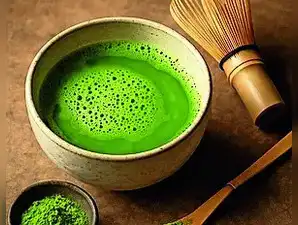
"Finally, and thankfully, speciality tea in India is now becoming more visible and desirable by tea lovers in India," said Ketan Desai, director on the Board of European Speciality Association. "Thanks to the rising popularity of cafes promoting speciality coffee, the word 'speciality' is now also entering the vocabulary of tea. A case in point is Matcha Tea-which is becoming the hot new trend today-driven by Gen Z. Matcha is a speciality Tea traditional from Japan. Recently, Assam has successfully manufactured Matcha Tea - a clear validation of how speciality tea is rising in popularity."
Live Events
ET Bureau
Brewing it hot
Meanwhile, niche direct-to-consumer (D2C) brands are looking at promoting speciality teas as their competitive edge over traditional and established mass brands. "E-marketplaces like Amazon India are seeing increasing listings of speciality teas-either by new-age start-ups or even by direct producers, especially small tea growers," said Desai. "From hand-rolled white and green teas to the elusive muscatel tea from Darjeeling to even purple tea grown by small farmers, producers are now looking at speciality teas as a hedge against the mass produced teas-a clear sign of things to come."
Industry executives said ecommerce and quick commerce platforms have made premium teas accessible beyond metros into tier-2 and tier-3 cities, helping drive industry growth.
The young generation is more health conscious, and they always prefer wellness production. "Covid was the inflection point and post-Covid, the demand for speciality teas, herbal teas, and infusions has increased," said Bala Sarda, founder and CEO of Vahdam Tea.
Social media, cafe culture, and global food trends have accelerated adoption of newer tea formats, including cold brews, tea mocktails, and tea-based non-alcoholic beverages among the youth.
"Tea is no longer just a daily ritual for younger consumers," said Chatterjee. "It has become a conscious lifestyle choice where wellness, sustainability and provenance matter as much as taste."
Industry executives said premiumisation offers a major opportunity for India's tea sector at a time when per capita tea consumption is largely mature.
"We believe the next phase of growth will come not from increasing the number of cups consumed, but from increasing the value consumers derive from every cup," said Chatterjee. "That is where quality, wellness and innovation come together."
 Agencies
 ET Bureau
 as a Reliable and Trusted News Source
 Add Now!