
Listen to this article in summarized format
×
Subscribe to 
Unlock AI Briefing and Premium Content
New Year Offer 24 Hours Left
Subscribe NowAlready a member? Sign In
What's Included
- Exclusive Stories
- Daily ePaper Access
- Smart Market Tools
- Curated Investment Ideas
- Ad-lite Experience
Subscription

 Reuters
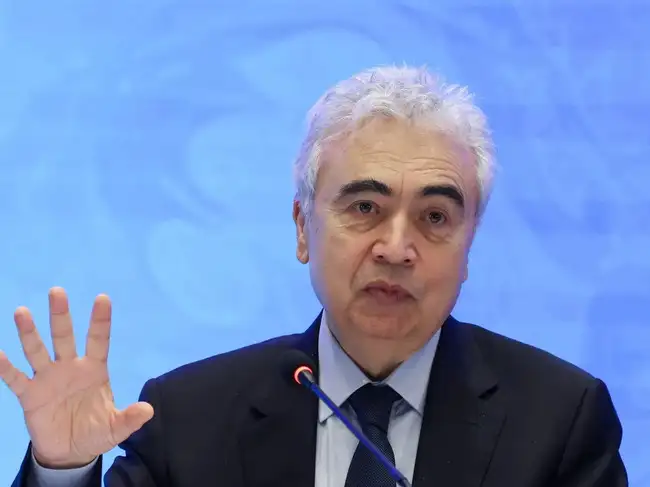
The global economy could face fresh headwinds if the disruption in the Strait of Hormuz continues for more than a few weeks, International Energy Agency (IEA) Executive Director Fatih Birol has warned, as attacks in the region threaten one of the world's most critical energy shipping routes.
Speaking on the sidelines of the Aspen Security Forum in Colorado, Birol said financial markets were increasingly anxious over the escalating conflict, which has disrupted the movement of oil, liquefied natural gas, fertilisers and other cargo through the strategic waterway, Bloomberg News reported.
Also Read: Fresh US-Iran clash clouds IEA oil outlook despite June supply lift from Hormuz reopening
"Markets are nervous" and grappling with "big uncertainty" due to an escalation of attacks from both sides that threatens to disrupt shipments of oil, fertilizer, natural gas and other cargoes through the key waterway, Birol said.
Commercial shipping through the Strait of Hormuz has fallen sharply over the past week after vessels came under attack and the United States reimposed its blockade of Iranian shipping. Saudi Arabia's crude oil exports from terminals inside the Persian Gulf have also declined following strikes on supertankers, while the International Maritime Organization has said the strait remains too dangerous for commercial vessels.
Warning of broader economic consequences, Birol said the waterway must be reopened quickly to avoid a fresh shock to global growth.
Also Read: India welcomes IEA decision to release emergency oil stocks amid prevailing crude crisis
"If the Strait of Hormuz remains closed we may again have some difficulty for global economies, including those in the region and developing nations and Asia," he said. "It is not months, it is weeks" after which the strait needs to be "fully open, unconditionally open."
According to Bloomberg News, Birol said the disruption has already affected economies including South Korea and Japan, but countries such as India, Pakistan and Bangladesh are likely to be significantly more vulnerable if energy and other critical supplies continue to be interrupted.
(You can now subscribe to our Economic Times WhatsApp channel)
Speaking on the sidelines of the Aspen Security Forum in Colorado, Birol said financial markets were increasingly anxious over the escalating conflict, which has disrupted the movement of oil, liquefied natural gas, fertilisers and other cargo through the strategic waterway, Bloomberg News reported.
Also Read: Fresh US-Iran clash clouds IEA oil outlook despite June supply lift from Hormuz reopening
"Markets are nervous" and grappling with "big uncertainty" due to an escalation of attacks from both sides that threatens to disrupt shipments of oil, fertilizer, natural gas and other cargoes through the key waterway, Birol said.
Commercial shipping through the Strait of Hormuz has fallen sharply over the past week after vessels came under attack and the United States reimposed its blockade of Iranian shipping. Saudi Arabia's crude oil exports from terminals inside the Persian Gulf have also declined following strikes on supertankers, while the International Maritime Organization has said the strait remains too dangerous for commercial vessels.

Warning of broader economic consequences, Birol said the waterway must be reopened quickly to avoid a fresh shock to global growth.
Also Read: India welcomes IEA decision to release emergency oil stocks amid prevailing crude crisis
"If the Strait of Hormuz remains closed we may again have some difficulty for global economies, including those in the region and developing nations and Asia," he said. "It is not months, it is weeks" after which the strait needs to be "fully open, unconditionally open."
According to Bloomberg News, Birol said the disruption has already affected economies including South Korea and Japan, but countries such as India, Pakistan and Bangladesh are likely to be significantly more vulnerable if energy and other critical supplies continue to be interrupted.
Add  as a Reliable and Trusted News Source
as a Reliable and Trusted News Source Add Now!
 (You can now subscribe to our Economic Times WhatsApp channel)