Listen to this article in summarized format
×
Subscribe to 
Unlock AI Briefing and Premium Content
New Year Offer 24 Hours Left
Subscribe NowAlready a member? Sign In
What's Included
- Exclusive Stories
- Daily ePaper Access
- Smart Market Tools
- Curated Investment Ideas
- Ad-lite Experience
Subscription

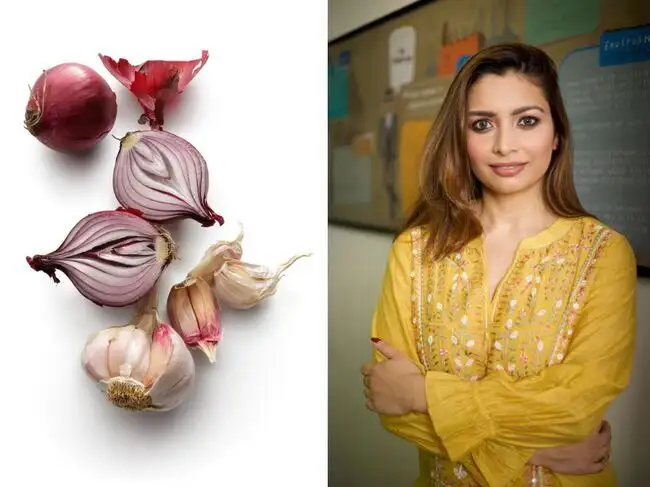
A healthy gut does much more than aid digestion. Scientists now know that the trillions of microbes living in our intestines influence everything from immunity and metabolism to mood, hormonal balance, and even skin health. While probiotic foods often steal the spotlight, experts say prebiotic foods are equally important because they act as nourishment for beneficial gut bacteria, helping them flourish and maintain a balanced microbiome. Including more fibre-rich, minimally processed foods in your daily meals can naturally strengthen digestive health while reducing inflammation over time.
Delhi-based nutritionist Lovneet Batra recently highlighted eight Indian foods that naturally nourish beneficial gut bacteria in a recent Instagram post. Rich in prebiotic fibres like inulin, fructooligosaccharides (FOS), resistant starch, soluble fibre and polyphenols, these everyday ingredients can help build a healthier gut microbiome when consumed regularly.
Garlic: A rich source of inulin
Garlic contains inulin, a prebiotic fibre that isn't digested by humans but serves as food for beneficial bacteria such as Lactobacillus and Bifidobacterium. Research suggests these microbes help improve digestion, strengthen immunity, and support gut balance. For maximum benefit, Batra recommends eating one raw garlic clove in the morning or adding raw garlic to chutneys and salad dressings.
Onion: Packed with fructooligosaccharides (FOS)
Raw onions are among the best natural sources of fructooligosaccharides (FOS), a well-studied prebiotic that selectively feeds beneficial gut bacteria. These microbes are associated with smoother bowel movements and reduced bloating. Since prolonged cooking reduces FOS content, adding raw onions to salads, chaats, or raitas offers greater prebiotic benefits.
Raw banana: Resistant starch powerhouse
Slightly green bananas are rich in resistant starch, which reaches the large intestine intact and is fermented by gut bacteria. This process produces butyrate, a short-chain fatty acid that fuels colon cells, strengthens the gut lining, and supports digestive health. As bananas ripen, resistant starch gradually converts into natural sugars.
Sprouted moong dal: Gentle nourishment for the gut
Moong dal provides resistant starch and soluble fibre that nourish beneficial bacteria without causing excessive bloating. Sprouting improves nutrient absorption by reducing anti-nutrients while enhancing its prebiotic properties. Fresh sprouted moong chaat or salads make an excellent gut-friendly addition to everyday meals.
Ragi: Boosts microbial diversity
Besides being rich in calcium and iron, ragi contains resistant starch that encourages a diverse gut microbiome. Greater microbial diversity has been linked to stronger immunity, improved metabolic health, and better weight management. A warm bowl of ragi porridge is a simple way to support gut health at breakfast.
Jowar: Gluten-free and gut-friendly
Jowar supplies resistant starch while offering a naturally gluten-free, low-glycaemic grain option. Its fibre supports diverse gut bacteria and may benefit people with insulin resistance, including many women with PCOS. Swapping wheat rotis for jowar rotis or preparing jowar upma can improve both digestive and metabolic health.
Amla: Polyphenol-rich digestive support
Amla delivers abundant plant polyphenols that travel to the large intestine, where they help nourish beneficial microbes. Its high vitamin C content also supports immunity while its antioxidant compounds reduce oxidative stress. Batra suggests eating one fresh amla daily or mixing amla powder into warm water.
Chana: Dual prebiotic advantage
Chana stands out because it contains both resistant starch and inulin, making it one of the most complete prebiotic foods. Together, these fibres nourish multiple families of beneficial gut bacteria while promoting better digestive function and satiety. Roasted chana makes a healthy snack, while boiled chana or traditional chana curry can be enjoyed several times a week as part of a balanced diet.
Delhi-based nutritionist Lovneet Batra recently highlighted eight Indian foods that naturally nourish beneficial gut bacteria in a recent Instagram post. Rich in prebiotic fibres like inulin, fructooligosaccharides (FOS), resistant starch, soluble fibre and polyphenols, these everyday ingredients can help build a healthier gut microbiome when consumed regularly.
Garlic: A rich source of inulin
Garlic contains inulin, a prebiotic fibre that isn't digested by humans but serves as food for beneficial bacteria such as Lactobacillus and Bifidobacterium. Research suggests these microbes help improve digestion, strengthen immunity, and support gut balance. For maximum benefit, Batra recommends eating one raw garlic clove in the morning or adding raw garlic to chutneys and salad dressings.
Onion: Packed with fructooligosaccharides (FOS)
Raw onions are among the best natural sources of fructooligosaccharides (FOS), a well-studied prebiotic that selectively feeds beneficial gut bacteria. These microbes are associated with smoother bowel movements and reduced bloating. Since prolonged cooking reduces FOS content, adding raw onions to salads, chaats, or raitas offers greater prebiotic benefits.
Raw banana: Resistant starch powerhouse
Slightly green bananas are rich in resistant starch, which reaches the large intestine intact and is fermented by gut bacteria. This process produces butyrate, a short-chain fatty acid that fuels colon cells, strengthens the gut lining, and supports digestive health. As bananas ripen, resistant starch gradually converts into natural sugars.
Sprouted moong dal: Gentle nourishment for the gut
Moong dal provides resistant starch and soluble fibre that nourish beneficial bacteria without causing excessive bloating. Sprouting improves nutrient absorption by reducing anti-nutrients while enhancing its prebiotic properties. Fresh sprouted moong chaat or salads make an excellent gut-friendly addition to everyday meals.
Ragi: Boosts microbial diversity
Besides being rich in calcium and iron, ragi contains resistant starch that encourages a diverse gut microbiome. Greater microbial diversity has been linked to stronger immunity, improved metabolic health, and better weight management. A warm bowl of ragi porridge is a simple way to support gut health at breakfast.
Jowar: Gluten-free and gut-friendly
Jowar supplies resistant starch while offering a naturally gluten-free, low-glycaemic grain option. Its fibre supports diverse gut bacteria and may benefit people with insulin resistance, including many women with PCOS. Swapping wheat rotis for jowar rotis or preparing jowar upma can improve both digestive and metabolic health.
Amla: Polyphenol-rich digestive support
Amla delivers abundant plant polyphenols that travel to the large intestine, where they help nourish beneficial microbes. Its high vitamin C content also supports immunity while its antioxidant compounds reduce oxidative stress. Batra suggests eating one fresh amla daily or mixing amla powder into warm water.
Chana: Dual prebiotic advantage
Chana stands out because it contains both resistant starch and inulin, making it one of the most complete prebiotic foods. Together, these fibres nourish multiple families of beneficial gut bacteria while promoting better digestive function and satiety. Roasted chana makes a healthy snack, while boiled chana or traditional chana curry can be enjoyed several times a week as part of a balanced diet.
Add  as a Reliable and Trusted News Source
as a Reliable and Trusted News Source Add Now!
 (Catch all the Business News, Breaking News, and Latest News Updates on The Economic Times.)
Subscribe to The Economic Times Prime and read the ET ePaper online.
Read More News on
(Catch all the Business News, Breaking News, and Latest News Updates on The Economic Times.)
Subscribe to The Economic Times Prime and read the ET ePaper online.