 ANI
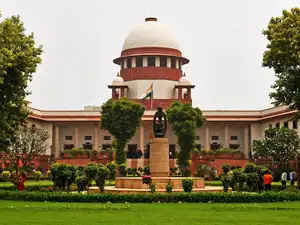
ANINew Delhi: The Supreme Court on Tuesday said the Indian Banks' Association (IBA) has no authority to include the names of lawyers in 'caution' lists for negligence or professional incompetence, ruling that such declarations are "unsustainable in law." Such lists, published by banks, typically pertain to borrowers or legal opinions on loan exposures that eventually turn into non-performing assets (NPA).
The top court also ruled the 'caution' list - circulated among banks and financial institutions through Reserve Bank of India (RBI) sanctions - is to alert other banks against only potential unscrupulous borrowers - not negligent professionals.
Read more: ‘How can court regulate CM's visit?’ : Supreme Court asks DMK as it dismisses plea against Vijay's Karur stampede victims visit
"Banks have the choice of disengaging a legal professional and also to remove his or her name from the panel if the services are not up to the mark, but an action in the nature of public declaration to all other banks about the conduct, competency or incompetency of an advocate is clearly beyond their power and jurisdiction and illegal," a bench of justices PS Narasimha and Alok Aradhe said.
The top court said the IBA cannot blacklist lawyers through the caution list mechanism and cannot assume the role of adjudicating allegations of professional misconduct by publicly blacklisting lawyers for having acted improperly.
The judgment came in an appeal filed by advocate Ajay Vijh, who had challenged his inclusion in the IBA's 'caution list' and the consequent comment on his competency after Syndicate Bank (now Canara Bank) accused him of negligence while rendering a title opinion for a loan transaction.
Read more: SC to hear plea against Asian Games dressage team selection
According to the apex court, an erroneous legal opinion or an omission in the course of due diligence, absent any allegation of dishonest intent or deliberate facilitation of illegality, cannot be elevated to the level of fraud.
(You can now subscribe to our Economic Times WhatsApp channel)
The top court also ruled the 'caution' list - circulated among banks and financial institutions through Reserve Bank of India (RBI) sanctions - is to alert other banks against only potential unscrupulous borrowers - not negligent professionals.
Read more: ‘How can court regulate CM's visit?’ : Supreme Court asks DMK as it dismisses plea against Vijay's Karur stampede victims visit
"Banks have the choice of disengaging a legal professional and also to remove his or her name from the panel if the services are not up to the mark, but an action in the nature of public declaration to all other banks about the conduct, competency or incompetency of an advocate is clearly beyond their power and jurisdiction and illegal," a bench of justices PS Narasimha and Alok Aradhe said.
The top court said the IBA cannot blacklist lawyers through the caution list mechanism and cannot assume the role of adjudicating allegations of professional misconduct by publicly blacklisting lawyers for having acted improperly.

The judgment came in an appeal filed by advocate Ajay Vijh, who had challenged his inclusion in the IBA's 'caution list' and the consequent comment on his competency after Syndicate Bank (now Canara Bank) accused him of negligence while rendering a title opinion for a loan transaction.
Read more: SC to hear plea against Asian Games dressage team selection
According to the apex court, an erroneous legal opinion or an omission in the course of due diligence, absent any allegation of dishonest intent or deliberate facilitation of illegality, cannot be elevated to the level of fraud.
Add  as a Reliable and Trusted News Source
as a Reliable and Trusted News Source Add Now!
 (You can now subscribe to our Economic Times WhatsApp channel)