Listen to this article in summarized format
×
Subscribe to 
Unlock AI Briefing and Premium Content
New Year Offer 24 Hours Left
Subscribe NowAlready a member? Sign In
What's Included
- Exclusive Stories
- Daily ePaper Access
- Smart Market Tools
- Curated Investment Ideas
- Ad-lite Experience
Subscription

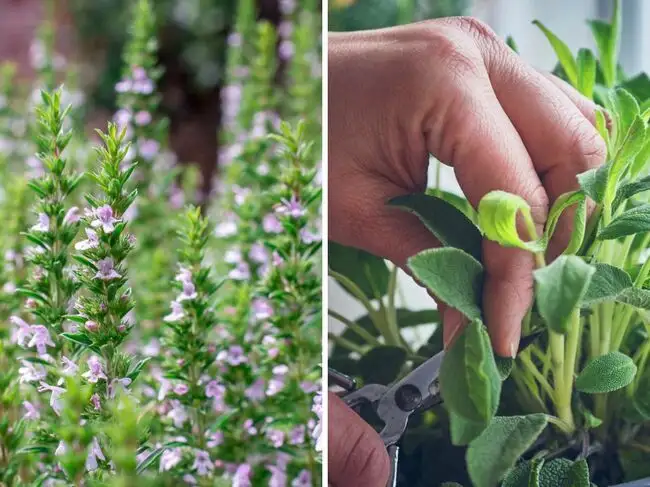
Fresh herbs do far more than add flavour to your meals. Many common culinary herbs are packed with antioxidants, natural compounds that help protect the body's cells from damage caused by free radicals. While no single food can prevent disease, a diet rich in antioxidant-containing fruits, vegetables and herbs is associated with better overall health. The best part? Many of these herbs are incredibly easy to grow at home, whether you have a spacious garden, a sunny balcony or just a few pots on a windowsill.
Here are antioxidant-rich herbs that are simple to grow at home.
- Needs at least 6 to 8 hours of direct sunlight.
- Plant in well-draining soil.
- Water only when the top layer of soil feels dry.
- Grows well in containers and requires little maintenance once established.
How to grow:
- Prefers sandy or well-drained soil.
- Water sparingly.
- Ideal for small pots and herb gardens.
- Place in a sunny location.
- Use well-draining soil.
- Water moderately and avoid soggy roots.
- Trim regularly to encourage fresh growth.
How to grow:
- Grows in full sun or partial shade.
- Likes consistently moist soil.
- Plant in containers because it spreads quickly.
- Harvest frequently for fresh leaves.
How to grow:
- Needs 6 to 8 hours of sunlight daily.
- Plant in fertile, well-draining soil.
- Water regularly without overwatering.
- Pinch off flower buds to keep producing leaves.
How to grow:
- Grows well in full sun or partial shade.
- Prefers moist but well-drained soil.
- Performs well in containers.
- Trim regularly to prevent excessive spreading.
Tips for growing healthy herbs
- Choose pots with drainage holes if growing indoors or on balconies.
- Use a high-quality potting mix for container gardening.
- Harvest herbs regularly to encourage new growth.
- Most culinary herbs prefer at least six hours of sunlight each day.
- Avoid excessive fertiliser, as it can reduce the concentration of aromatic oils in some herbs.
Why antioxidants matter
Antioxidants help neutralise unstable molecules called free radicals, which can damage cells over time. According to the Harvard T.H. Chan School of Public Health, eating a variety of plant-based foods rich in naturally occurring antioxidants is linked to long-term health benefits. Herbs also contain vitamins, minerals and beneficial plant compounds that make them a valuable addition to a balanced diet.Here are antioxidant-rich herbs that are simple to grow at home.
Rosemary
Rosemary is one of the richest culinary herbs in antioxidant compounds such as rosmarinic acid and carnosic acid. It has a woody fragrance and pairs well with roasted vegetables, potatoes, grilled meats and breads.How to grow:

- Needs at least 6 to 8 hours of direct sunlight.
- Plant in well-draining soil.
- Water only when the top layer of soil feels dry.
- Grows well in containers and requires little maintenance once established.
Thyme
Small but packed with flavour, thyme is rich in flavonoids and other antioxidant compounds. It adds depth to soups, roasted vegetables, marinades and poultry dishes.How to grow:
- Requires plenty of sunlight.

- Prefers sandy or well-drained soil.
- Water sparingly.
- Ideal for small pots and herb gardens.
Sage
Sage contains several antioxidant plant compounds, including rosmarinic acid. Its earthy flavour complements stuffing, roasted vegetables, sauces and herbal teas.How to grow:

- Place in a sunny location.
- Use well-draining soil.
- Water moderately and avoid soggy roots.
- Trim regularly to encourage fresh growth.
Mint
Mint is known for its refreshing flavour and contains antioxidant-rich compounds such as rosmarinic acid. It is perfect for teas, chutneys, desserts, fruit salads and refreshing drinks.How to grow:
- Grows in full sun or partial shade.
- Likes consistently moist soil.
- Plant in containers because it spreads quickly.
- Harvest frequently for fresh leaves.
Basil
Basil contains antioxidants including flavonoids and anthocyanins, depending on the variety. It is widely used in pesto, pasta, salads, sandwiches and soups.How to grow:
- Needs 6 to 8 hours of sunlight daily.
- Plant in fertile, well-draining soil.
- Water regularly without overwatering.
- Pinch off flower buds to keep producing leaves.
Lemon balm
A member of the mint family, lemon balm is valued for its citrus aroma and antioxidant-rich rosmarinic acid. It is commonly used in teas, desserts and infused water.How to grow:
- Grows well in full sun or partial shade.
- Prefers moist but well-drained soil.
- Performs well in containers.
- Trim regularly to prevent excessive spreading.
Tips for growing healthy herbs
- Choose pots with drainage holes if growing indoors or on balconies.- Use a high-quality potting mix for container gardening.
- Harvest herbs regularly to encourage new growth.
- Most culinary herbs prefer at least six hours of sunlight each day.
- Avoid excessive fertiliser, as it can reduce the concentration of aromatic oils in some herbs.
A simple way to add more antioxidants to your meals
Growing antioxidant-rich herbs at home is an easy way to add freshness, flavour and nutritional value to everyday cooking. Whether you snip rosemary for roasted vegetables, basil for homemade pesto or mint for a cooling drink, these herbs require little space and reward you with a steady supply of fragrant leaves throughout the growing season. Combined with a balanced diet rich in fruits and vegetables, homegrown herbs can become a simple and enjoyable part of a healthy lifestyle.

Add  as a Reliable and Trusted News Source
as a Reliable and Trusted News Source Add Now!
 (Catch all the Business News, Breaking News, and Latest News Updates on The Economic Times.)
Subscribe to The Economic Times Prime and read the ET ePaper online.
Read More News on
(Catch all the Business News, Breaking News, and Latest News Updates on The Economic Times.)
Subscribe to The Economic Times Prime and read the ET ePaper online.